
Why Exploring Development Sites in Queens Park: A Look at Urban Growth Matters
Queens Park, a vibrant suburb located in the City of Canning, Western Australia, is a community that beautifully marries the charm of suburban living with the conveniences of urban life. Nestled just 12 kilometres from the Perth Central Business District, it offers residents a unique blend of accessibility and tranquillity. The suburb is characterised by its diverse population, rich cultural tapestry, and a strong sense of community spirit.
With its well-established amenities, including schools, parks, and shopping centres, Queens Park is increasingly becoming a sought-after destination for families and professionals alike. The suburb’s appeal lies not only in its strategic location but also in its commitment to fostering a welcoming environment for all. As urbanisation continues to shape the landscape of Perth, Queens Park stands out as a prime example of how suburban areas can evolve while maintaining their unique identity.
This article delves into the historical development of Queens Park, current urban growth trends, key development sites, and the impact of these changes on the community, ultimately painting a picture of a suburb poised for a bright future.
Summary
- Queens Park is a vibrant and diverse neighbourhood in London, known for its rich history and urban development.
- The historical development of Queens Park has shaped its current urban landscape, with a mix of Victorian and modern architecture.
- Current urban growth trends in Queens Park are driven by increasing demand for housing and commercial spaces, leading to new development projects.
- Key development sites in Queens Park offer opportunities for sustainable and inclusive urban development, with a focus on community engagement.
- The impact of urban growth on Queens Park raises challenges and opportunities for balancing development with the preservation of green spaces and sustainability.
Historical Development of Queens Park
The history of Queens Park is rich and multifaceted, reflecting the broader narrative of suburban development in Perth. Originally established in the late 19th century, the area was primarily agricultural, with vast stretches of land dedicated to farming and horticulture. The arrival of the railway in the early 1900s marked a significant turning point for Queens Park, as it facilitated easier access to Perth and encouraged residential development.
This influx of new residents transformed the suburb into a thriving community, with schools, shops, and recreational facilities emerging to cater to the growing population. As the decades progressed, Queens Park continued to evolve. The post-World War II era saw a significant housing boom, with many returning servicemen and their families seeking affordable homes in suburban areas.
This period marked the construction of numerous brick-and-tile homes that remain characteristic of the suburb today. The establishment of local schools and community centres further solidified Queens Park’s reputation as a family-friendly neighbourhood. Over the years, the suburb has adapted to changing demographics and economic conditions, ensuring that it remains relevant and appealing to new generations of residents.
Current Urban Growth Trends in Queens Park
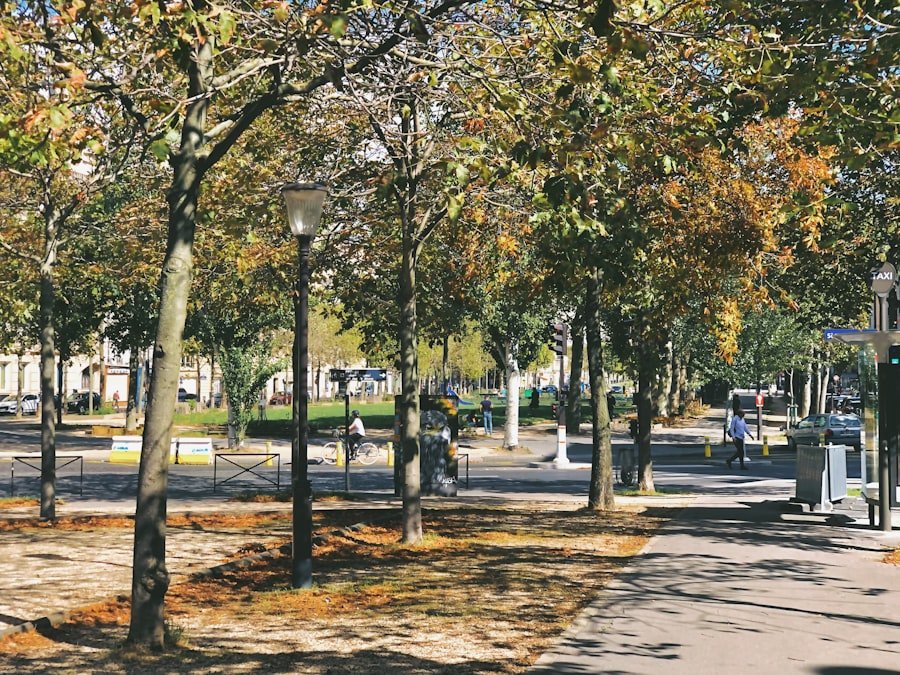
In recent years, Queens Park has experienced a notable surge in urban growth, driven by a combination of factors including population increase, infrastructure development, and government initiatives aimed at revitalising suburban areas. The suburb’s proximity to Perth has made it an attractive option for young professionals and families seeking affordable housing without sacrificing access to city amenities. This trend has led to an increase in demand for both rental properties and homes for sale, prompting developers to take notice.
The local government has also played a pivotal role in shaping urban growth trends in Queens Park. Initiatives aimed at improving public transport links, enhancing local infrastructure, and promoting sustainable development have all contributed to the suburb’s appeal. As new residential projects emerge and existing properties are renovated or redeveloped, Queens Park is witnessing a transformation that aligns with contemporary urban living preferences.
This growth is not merely quantitative; it is also qualitative, as new developments often incorporate modern design principles and sustainable practices that enhance the overall quality of life for residents.
Key Development Sites in Queens Park
| Development Site | Size (sq ft) | Planned Use | Developer |
|---|---|---|---|
| Queens Park Plaza | 100,000 | Retail and Residential | ABC Developments |
| Queens Park Gardens | 75,000 | Residential | XYZ Builders |
| Queens Park Business Park | 150,000 | Commercial | 123 Investments |
Several key development sites within Queens Park are poised to redefine the suburb’s landscape in the coming years. One notable project is the revitalisation of local shopping precincts, which aims to create vibrant hubs for social interaction and commerce. By enhancing existing retail spaces and introducing new businesses, these developments are expected to foster economic growth while providing residents with convenient access to essential services.
Another significant site is the redevelopment of underutilised land into mixed-use developments that combine residential living with commercial opportunities. These projects not only address housing shortages but also promote a sense of community by integrating living spaces with shops, cafes, and recreational facilities. Additionally, there are plans for improved public transport infrastructure that will further connect Queens Park to surrounding suburbs and the Perth CBD, making it an even more attractive location for potential residents.
Impact of Urban Growth on Queens Park
The ongoing urban growth in Queens Park has had a profound impact on the community and its environment. On one hand, the influx of new residents has invigorated local businesses and contributed to a more dynamic economy. Increased foot traffic in shopping areas has led to greater investment in services and amenities, enhancing the overall quality of life for existing residents.
Furthermore, as new developments emerge, there is an opportunity for improved public spaces and recreational facilities that cater to a diverse range of interests. However, urban growth also presents challenges that must be addressed to ensure sustainable development. The rise in population density can strain existing infrastructure and resources if not managed effectively.
Traffic congestion, increased demand for public services, and potential loss of green spaces are all concerns that need careful consideration. It is essential for local authorities and developers to work collaboratively with the community to create solutions that balance growth with environmental stewardship and social cohesion.
Community Engagement in Development Projects
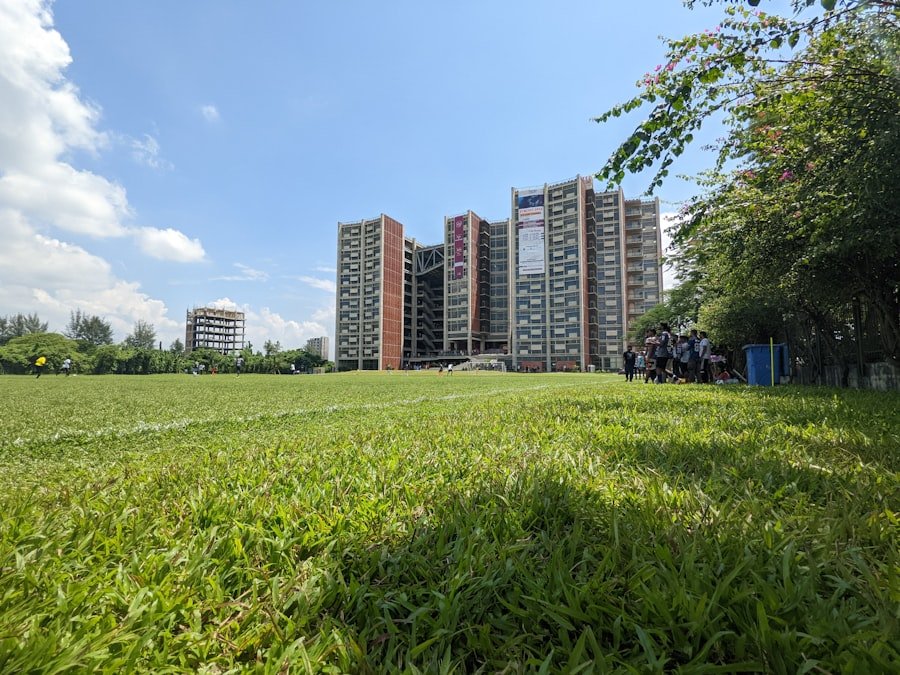
Community engagement plays a crucial role in shaping development projects in Queens Park. Local residents are often invited to participate in consultations and discussions regarding proposed changes in their neighbourhoods. This inclusive approach ensures that the voices of those who live in the area are heard and considered during the planning process.
By fostering open dialogue between developers, local authorities, and residents, Queens Park can achieve outcomes that reflect the needs and aspirations of its community. Moreover, community engagement initiatives can help build trust between stakeholders and promote a sense of ownership among residents regarding their neighbourhood’s future. When people feel involved in decision-making processes, they are more likely to support development projects that align with their vision for their community.
This collaborative spirit not only enhances project outcomes but also strengthens social ties within Queens Park, creating a more cohesive and resilient community.
Sustainability and Green Spaces in Queens Park
As urban growth continues to reshape Queens Park, sustainability has emerged as a key consideration in development planning. The integration of green spaces into new projects is essential for maintaining the suburb’s character while promoting environmental health. Parks, gardens, and recreational areas not only provide residents with opportunities for leisure and relaxation but also contribute to biodiversity and ecological balance within urban settings.
Efforts are being made to enhance existing green spaces while creating new ones that cater to various community needs. Initiatives such as tree planting programs and community gardens encourage residents to engage with their environment while fostering a sense of pride in their neighbourhood. Additionally, sustainable design principles are increasingly being incorporated into new developments, ensuring that they are energy-efficient and environmentally friendly.
Challenges and Opportunities for Development in Queens Park
While urban growth presents numerous opportunities for development in Queens Park, it also brings forth challenges that must be navigated carefully. One significant challenge is balancing the need for increased housing with preserving the suburb’s unique character and heritage. As developers seek to maximise land use, there is a risk that some areas may become overly dense or lose their distinctiveness.
However, these challenges also present opportunities for innovative solutions that can enhance the suburb’s appeal while addressing housing demands. For instance, mixed-use developments can provide both residential options and commercial spaces without compromising on quality of life. Additionally, engaging with local stakeholders can lead to creative approaches that honour the history of Queens Park while embracing modernity.
Future Projections for Urban Growth in Queens Park
Looking ahead, projections for urban growth in Queens Park indicate continued expansion and transformation over the next decade. As Perth’s population continues to rise, demand for housing will likely increase, prompting further development initiatives within the suburb. The local government’s commitment to improving infrastructure and public transport will play a pivotal role in shaping these trends.
Moreover, as sustainability becomes an increasingly important consideration for both developers and residents alike, future projects are expected to prioritise eco-friendly practices and green design principles. This focus on sustainability will not only enhance the quality of life for current residents but also attract new families seeking environmentally conscious living options.
Case Studies of Successful Development Projects in Queens Park
Several successful development projects have already set a precedent for future initiatives in Queens Park. One notable example is the revitalisation of local parks into multifunctional spaces that cater to various community needs. These projects have transformed underutilised areas into vibrant hubs for recreation and social interaction while promoting environmental sustainability through native landscaping.
Another successful case study involves mixed-use developments that have successfully integrated residential living with commercial opportunities. These projects have not only provided much-needed housing but have also created lively spaces where residents can shop, dine, and socialise without needing to travel far from home. Such developments exemplify how thoughtful planning can lead to positive outcomes for both residents and businesses alike.
The Future of Urban Growth in Queens Park
In conclusion, the future of urban growth in Queens Park appears promising as it navigates the complexities of change while remaining true to its core values as a community. With ongoing efforts towards sustainable development, enhanced infrastructure, and active community engagement, there is every reason to believe that this suburb will continue to thrive as an attractive place to live. As new developments emerge alongside existing amenities, Queens Park stands poised to embrace its evolution while preserving its unique character.
By fostering collaboration between stakeholders and prioritising sustainability, this vibrant suburb can ensure that it remains a desirable destination for generations to come. The journey ahead may present challenges; however, with a shared vision for progress rooted in community values, Queens Park is set to flourish amidst Perth’s dynamic urban landscape.
In the context of development sites in Queens Park, it’s essential to consider the evolving landscape of property marketing strategies. A related article that delves into this topic is The Future of Property Marketing. This piece explores innovative approaches and emerging trends that are shaping how properties are marketed, which is particularly relevant for those involved in the development and sale of properties in areas like Queens Park. Understanding these trends can provide valuable insights for developers and sellers aiming to maximise their reach and appeal in a competitive market.