
Preserving Heritage: Wattle Grove’s Historic Homes: Key Things to Consider
Wattle Grove, a suburb nestled in the eastern part of Perth, Western Australia, boasts a rich tapestry of history that reflects the broader narrative of the region. Originally inhabited by the Noongar people, the area was known for its abundant natural resources, including the iconic wattle trees that gave the suburb its name. European settlement began in the 19th century, leading to significant changes in the landscape and the establishment of agricultural practices.
The suburb’s development was closely tied to the expansion of Perth, with Wattle Grove evolving from a rural outpost into a thriving residential community. As the years progressed, Wattle Grove became a focal point for various social and economic activities. The establishment of schools, parks, and community facilities marked its transformation into a suburban haven.
The heritage of Wattle Grove is not merely confined to its physical structures; it encompasses the stories of its inhabitants, their struggles, and triumphs. This historical context is crucial in understanding the significance of the suburb’s architectural legacy and the importance of preserving its historic homes.
Summary
- Wattle Grove has a rich history dating back to its early settlement in the 1800s, with a strong focus on preserving its heritage.
- The historic homes in Wattle Grove play a significant role in maintaining the area’s heritage and cultural identity.
- Wattle Grove’s historic homes showcase a variety of architectural styles, reflecting the area’s evolution over time.
- Preserving Wattle Grove’s historic homes faces challenges such as maintenance costs and balancing modern needs with heritage conservation.
- The community and local authorities are actively involved in conservation efforts to protect Wattle Grove’s historic homes for future generations.
The Significance of Wattle Grove’s Historic Homes in Preserving Heritage
The historic homes of Wattle Grove serve as tangible links to the past, embodying the architectural styles and cultural values of their respective eras. These homes are not just buildings; they are repositories of memories and stories that reflect the lives of those who once inhabited them. By preserving these structures, the community safeguards its heritage and fosters a sense of identity and belonging among residents.
Each home tells a unique story, contributing to the rich narrative of Wattle Grove’s development over time. Moreover, these historic homes play a vital role in educating future generations about the suburb’s history. They provide a physical context for understanding the evolution of architectural styles and community planning in Western Australia.
By maintaining these properties, Wattle Grove not only honours its past but also instils a sense of pride in its residents, encouraging them to appreciate and engage with their local heritage.
Architectural Styles of Wattle Grove’s Historic Homes: A Closer Look
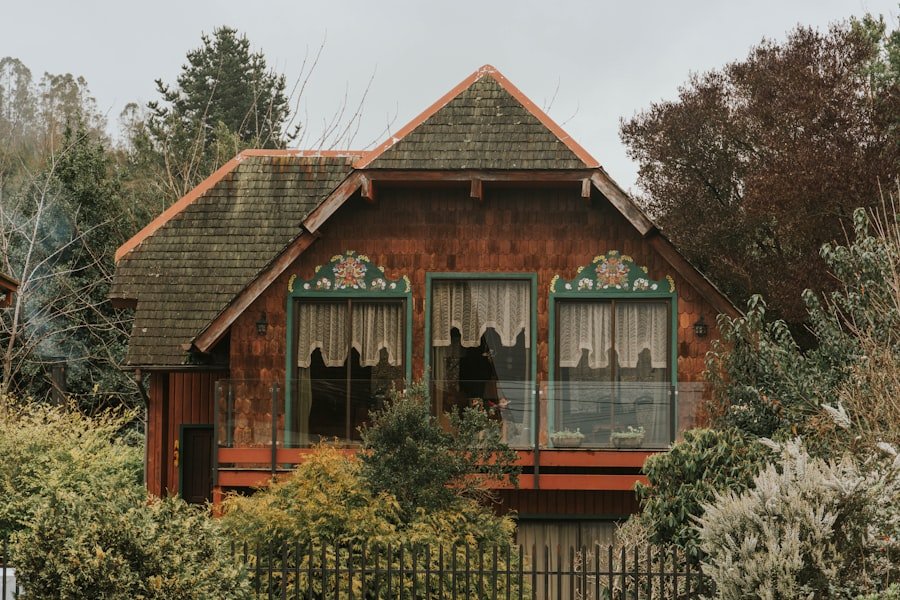
Wattle Grove’s historic homes showcase a diverse array of architectural styles that reflect the changing tastes and influences over the decades. From charming Federation cottages to elegant Victorian residences, each style offers a glimpse into the aesthetic preferences of its time. The Federation style, characterised by its intricate timberwork and decorative gables, is particularly prominent in the area, representing a period of prosperity and growth in Australia.
In addition to Federation architecture, Wattle Grove is home to several examples of Art Deco and mid-century modern designs. These styles highlight the suburb’s adaptability and responsiveness to broader architectural trends. The unique combination of these styles creates a visually appealing streetscape that enhances the character of Wattle Grove.
By appreciating and preserving these architectural gems, residents contribute to a vibrant cultural landscape that celebrates both history and innovation.
Challenges in Preserving Wattle Grove’s Historic Homes
| Challenges | Impact |
|---|---|
| Lack of funding for restoration | Slows down preservation efforts |
| Changing building codes and regulations | Makes it difficult to maintain original structures |
| Urban development pressure | Threatens the existence of historic homes |
| Age-related deterioration | Requires constant maintenance and repair |
Despite the undeniable charm and significance of Wattle Grove’s historic homes, preserving them presents several challenges. One major issue is the pressure from modern development, which often prioritises new construction over heritage conservation. As property values rise and demand for housing increases, there is a risk that historic homes may be demolished or altered beyond recognition to make way for contemporary developments.
This trend threatens to erode the unique character of Wattle Grove and diminish its historical significance. Another challenge lies in securing funding for restoration and maintenance efforts. Many historic homes require significant investment to restore them to their former glory, yet property owners may struggle to find financial resources or expertise in heritage conservation.
Additionally, navigating local regulations and obtaining necessary permits can be daunting for homeowners seeking to undertake restoration projects. These challenges underscore the importance of community support and collaboration in preserving Wattle Grove’s architectural heritage.
Efforts in Conservation: How Wattle Grove is Protecting its Heritage
In response to the challenges facing its historic homes, Wattle Grove has implemented various conservation efforts aimed at protecting its heritage. Local councils and heritage organisations have established guidelines and incentives for property owners to encourage responsible restoration practices. These initiatives often include financial assistance for renovations that adhere to heritage standards, ensuring that any work done on historic homes respects their original character.
Community engagement plays a crucial role in these conservation efforts. Residents are encouraged to participate in workshops and information sessions that educate them about heritage preservation techniques and the importance of maintaining their properties’ historical integrity. By fostering a culture of awareness and appreciation for heritage, Wattle Grove is taking proactive steps to ensure that its historic homes remain cherished landmarks for future generations.
The Role of the Community in Preserving Wattle Grove’s Historic Homes
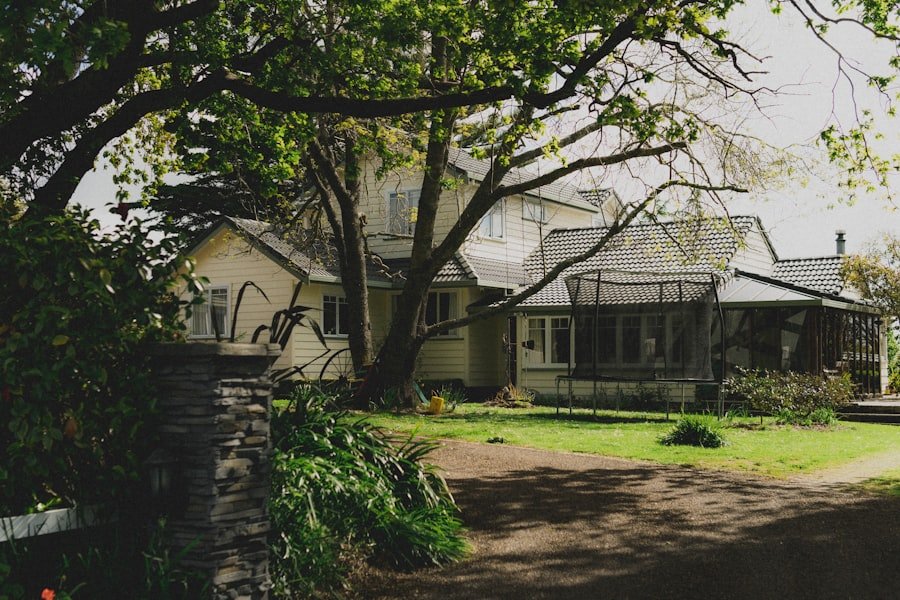
The preservation of Wattle Grove’s historic homes is not solely the responsibility of local authorities; it requires active participation from the community as well. Residents play an essential role in advocating for heritage conservation and raising awareness about the significance of their neighbourhood’s architectural legacy. Community groups often organise events such as heritage walks and open houses, allowing residents and visitors alike to explore and appreciate the suburb’s historic homes.
Moreover, local residents can contribute by sharing their personal stories and experiences related to these homes. Oral histories provide invaluable insights into the lives of past inhabitants and help create a deeper connection between current residents and their community’s heritage. By fostering a sense of ownership and pride in their neighbourhood, residents can ensure that Wattle Grove’s historic homes are valued not just as structures but as integral parts of their shared history.
The Economic Impact of Wattle Grove’s Historic Homes on the Local Area
The economic implications of preserving Wattle Grove’s historic homes extend beyond mere aesthetics; they have tangible benefits for the local economy as well. Historic homes often attract potential buyers who appreciate their unique character and charm, leading to increased property values in the area. This rise in property values can have a positive ripple effect on local businesses, as new residents bring increased spending power to shops, restaurants, and services within the community.
Furthermore, heritage tourism is an emerging sector that can significantly contribute to Wattle Grove’s economy. Visitors drawn to the suburb’s historic homes may choose to explore local attractions, dine at nearby establishments, or participate in guided tours. This influx of tourists can create job opportunities and stimulate economic growth while simultaneously promoting awareness and appreciation for Wattle Grove’s rich heritage.
Wattle Grove’s Historic Homes as Cultural and Educational Resources
Wattle Grove’s historic homes serve as vital cultural and educational resources that enrich the community’s understanding of its past. These properties provide an opportunity for residents and visitors alike to engage with history in a tangible way. Schools and educational institutions can utilise these homes as case studies for lessons on architecture, local history, and cultural heritage, fostering a sense of curiosity among students.
Additionally, many historic homes host events such as exhibitions or workshops that celebrate local art, crafts, or traditions. These activities not only promote community engagement but also create platforms for local artists and artisans to showcase their work. By transforming historic homes into cultural hubs, Wattle Grove reinforces its commitment to preserving its heritage while simultaneously nurturing creativity and innovation within the community.
Tourism and Wattle Grove’s Historic Homes: Attracting Visitors and Preserving Heritage
Tourism centred around Wattle Grove’s historic homes has the potential to be a significant driver for both economic growth and heritage preservation. As more visitors seek authentic experiences that connect them with local culture, Wattle Grove can position itself as a destination for those interested in exploring its architectural treasures. Guided tours highlighting the history and significance of these homes can attract tourists while educating them about the suburb’s unique heritage.
Moreover, by promoting events such as heritage festivals or open house days, Wattle Grove can create opportunities for residents to share their stories with visitors. This interaction fosters a sense of community pride while also generating interest in preserving these historic properties. As tourism flourishes, it can provide much-needed funding for restoration projects, ensuring that Wattle Grove’s historic homes remain protected for future generations.
Future Plans for Wattle Grove’s Historic Homes: Ensuring Long-Term Preservation
Looking ahead, it is essential for Wattle Grove to develop comprehensive plans for the long-term preservation of its historic homes. This may involve creating a dedicated heritage management strategy that outlines specific goals for conservation efforts while addressing potential challenges posed by modern development pressures. Engaging with stakeholders—including property owners, local authorities, and heritage organisations—will be crucial in formulating effective strategies that balance growth with preservation.
Additionally, fostering partnerships with educational institutions can enhance awareness about heritage conservation among younger generations. By incorporating heritage studies into school curricula or offering internships focused on preservation techniques, Wattle Grove can cultivate a new generation of advocates committed to safeguarding its architectural legacy.
The Importance of Wattle Grove’s Historic Homes in the Context of National Heritage
Wattle Grove’s historic homes hold significance not only within their local context but also within Australia’s broader national heritage narrative. As representatives of various architectural styles and historical periods, these properties contribute to an understanding of Australia’s cultural evolution over time. By preserving these homes, Wattle Grove plays an integral role in maintaining a diverse tapestry of national identity that reflects both Indigenous heritage and European settlement.
Furthermore, as communities across Australia grapple with issues related to urbanisation and development pressures, Wattle Grove serves as an example of how thoughtful preservation can coexist with modern growth. By prioritising heritage conservation alongside contemporary needs, Wattle Grove demonstrates that it is possible to honour the past while embracing the future—a lesson that resonates far beyond its borders. In conclusion, Wattle Grove stands as a testament to the importance of preserving historic homes as vital components of both local identity and national heritage.
Through community engagement, economic investment, educational initiatives, and strategic planning, this suburb can ensure that its architectural treasures continue to thrive for generations to come.
Heritage homes in Wattle Grove are a testament to the rich architectural history and cultural significance of the area. These homes often feature unique design elements and craftsmanship that reflect the era in which they were built, offering a glimpse into the past while providing a charming living experience. For those interested in exploring different property types, including heritage homes, you might find the article on Smart Realty’s property types page particularly insightful. This resource provides a comprehensive overview of various property categories, helping potential buyers and enthusiasts understand the diverse real estate landscape.