
What You Need to Know About Exploring Belmont Subdivision Potential
Navigating the intricate landscape of local zoning laws and regulations is a fundamental step in the subdivision development process. Zoning laws dictate how land can be used, influencing everything from the type of buildings that can be constructed to the density of development allowed in a given area. Understanding these regulations is crucial for developers, as they can significantly impact project feasibility and design.
Each municipality has its own set of zoning ordinances, which may include restrictions on building heights, setbacks, and land use classifications. Therefore, it is essential for developers to engage with local planning departments early in the process to ensure compliance and to identify any potential hurdles that may arise. Moreover, zoning regulations are not static; they can evolve based on community needs and governmental policies.
Developers must stay informed about any proposed changes to zoning laws that could affect their projects. This requires a proactive approach, including attending local council meetings and participating in community discussions. By understanding the local zoning landscape, developers can better position their projects to align with community goals and expectations, ultimately leading to smoother approval processes and successful outcomes.
Key Takeaways
- Understanding local zoning laws and regulations is crucial for successful subdivision development
- Assessing infrastructure and utilities in the area is essential for determining the feasibility of subdivision development
- Analyzing market demand for new subdivisions helps in making informed decisions about the project
- Identifying potential environmental concerns and mitigation strategies is important for sustainable and responsible development
- Evaluating topography and land characteristics is key for effective subdivision development planning
Assessing the Infrastructure and Utilities in the Area
A thorough assessment of the existing infrastructure and utilities is vital for any subdivision development project. Infrastructure encompasses essential services such as roads, public transportation, water supply, sewage systems, and electricity. Evaluating these elements helps developers determine whether the current infrastructure can support the proposed subdivision or if upgrades are necessary.
For instance, if a subdivision is planned in an area with limited access to public transportation, developers may need to consider how this will affect potential buyers and whether additional transportation solutions should be integrated into the project. In addition to transportation infrastructure, utilities play a critical role in the viability of a subdivision. Access to reliable water, electricity, and sewage systems is paramount for attracting residents.
Developers should conduct a comprehensive analysis of utility providers in the area, assessing their capacity to meet the demands of new developments. Engaging with utility companies early in the planning process can help identify any potential challenges or delays in service provision. By ensuring that infrastructure and utilities are adequately addressed, developers can create a more appealing and functional living environment for future residents.
Analyzing the Market Demand for New Subdivisions
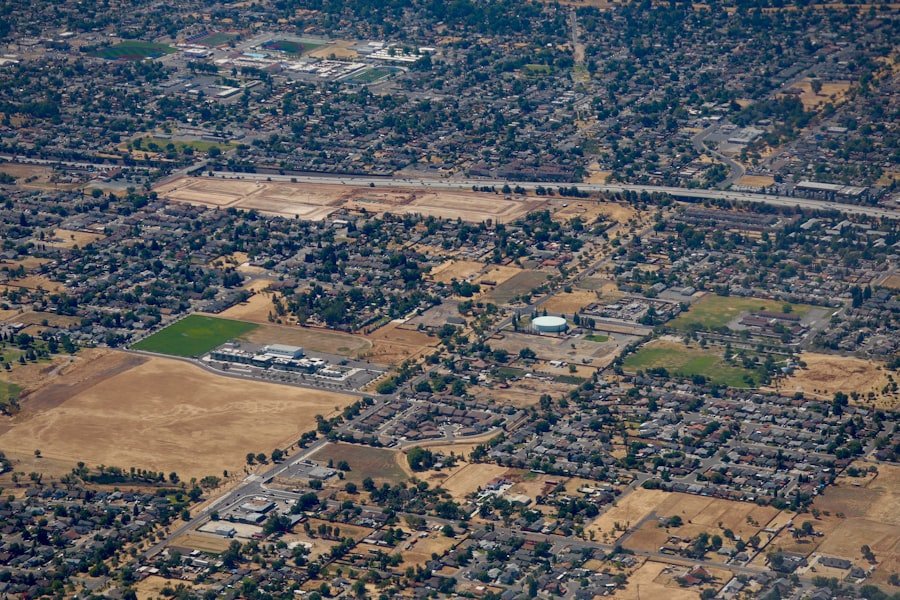
Understanding market demand is essential for successful subdivision development. Developers must conduct thorough market research to gauge interest in new housing options within a specific area. This involves analyzing demographic trends, economic indicators, and housing market conditions.
For instance, an influx of new residents due to job growth or urban development can signal a strong demand for housing. Conversely, a declining population or economic downturn may indicate that a new subdivision could struggle to attract buyers. Additionally, developers should consider the preferences of potential buyers when analyzing market demand.
Factors such as housing type (single-family homes versus multi-family units), price points, and community amenities can significantly influence buyer interest. Engaging with real estate professionals and conducting surveys can provide valuable insights into what prospective homeowners are seeking. By aligning their development plans with market demand, developers can enhance their chances of success and ensure that their subdivisions meet the needs of future residents.
Identifying Potential Environmental Concerns and Mitigation Strategies
| Environmental Concerns | Mitigation Strategies |
|---|---|
| Water pollution | Implementing water treatment systems, reducing chemical usage |
| Air pollution | Using cleaner energy sources, improving emission control systems |
| Habitat destruction | Implementing conservation measures, creating protected areas |
| Waste management | Implementing recycling programs, reducing waste generation |
Environmental considerations are paramount in subdivision development, as they can impact both the project’s feasibility and its long-term sustainability. Developers must conduct environmental assessments to identify potential concerns such as wetlands, endangered species habitats, or contamination issues. Understanding these factors is crucial not only for regulatory compliance but also for maintaining community trust and support.
Addressing environmental concerns proactively can help mitigate risks and enhance the overall appeal of a subdivision. Once potential environmental issues have been identified, developers should develop mitigation strategies to address them effectively. This may involve implementing sustainable practices such as preserving green spaces, utilizing eco-friendly building materials, or incorporating renewable energy sources into the development plan.
Engaging with environmental consultants can provide valuable expertise in crafting effective mitigation strategies that align with local regulations and community values.
Evaluating the Topography and Land Characteristics for Subdivision Development
The physical characteristics of the land play a significant role in determining the feasibility and design of a subdivision. Evaluating topography involves assessing factors such as elevation changes, soil composition, drainage patterns, and existing vegetation. These elements can influence everything from site layout to construction methods.
For example, steep slopes may require specialized engineering solutions to ensure stability and accessibility, while poor drainage could lead to flooding issues that need to be addressed before development begins. In addition to topography, understanding land characteristics such as soil quality is essential for determining what types of structures can be built on a site. Soil tests can reveal whether the land is suitable for foundations or if additional measures are needed to ensure structural integrity.
By thoroughly evaluating topography and land characteristics, developers can make informed decisions about site design and construction methods that will ultimately lead to successful subdivision development.
Engaging with the Community and Stakeholders for Input and Support

Community engagement is a critical component of successful subdivision development. Developers should actively seek input from local residents, businesses, and stakeholders throughout the planning process. This engagement fosters transparency and builds trust within the community, which can be invaluable when seeking approvals from local authorities.
Hosting public meetings or workshops allows developers to present their plans while also providing an opportunity for community members to voice their concerns or suggestions. Moreover, engaging with stakeholders such as local government officials, environmental groups, and neighborhood associations can provide valuable insights into community priorities and expectations. By incorporating feedback from these groups into their development plans, developers can create subdivisions that align with community values while also addressing any potential objections before they arise.
This collaborative approach not only enhances project acceptance but also contributes to creating vibrant communities that residents are proud to call home.
Conducting a Feasibility Study for Subdivision Development
A comprehensive feasibility study is essential for assessing the viability of a proposed subdivision project. This study evaluates various factors such as market demand, financial projections, regulatory requirements, and potential risks associated with development. By conducting a thorough analysis of these elements, developers can make informed decisions about whether to proceed with their plans or adjust their approach based on findings.
Financial feasibility is particularly important in this analysis; developers must estimate costs associated with land acquisition, construction, infrastructure improvements, and marketing efforts. Additionally, projecting potential revenue from sales or rentals helps determine whether the project will yield a satisfactory return on investment. By carefully evaluating all aspects of feasibility, developers can minimize risks and increase their chances of success in bringing their subdivision vision to life.
Securing Necessary Permits and Approvals for Subdivision Construction
Once a feasibility study has confirmed that a subdivision project is viable, securing necessary permits and approvals becomes the next critical step in the process. This often involves navigating complex regulatory frameworks at both local and state levels. Developers must submit detailed plans that comply with zoning laws, environmental regulations, and building codes to obtain the required permits for construction.
Engaging with local planning departments early in this process can help streamline approvals by ensuring that all necessary documentation is prepared accurately and submitted on time. Additionally, maintaining open lines of communication with regulatory agencies can facilitate collaboration and address any concerns that may arise during the review process. By diligently pursuing permits and approvals while adhering to all legal requirements, developers can set their projects up for success from the outset.
Developing a Comprehensive Subdivision Plan and Design
A well-thought-out subdivision plan is essential for guiding the development process from concept to completion. This plan should encompass various elements such as site layout, infrastructure design, landscaping features, and community amenities. Developers must consider how these components will work together to create an attractive and functional living environment for future residents.
Incorporating feedback from stakeholders during this phase ensures that the final plan reflects the needs and desires of potential residents while also addressing any concerns raised during earlier engagement efforts. A thoughtfully designed subdivision plan not only enhances marketability but also contributes to creating a cohesive community that residents will enjoy for years to come.
Estimating the Costs and Budgeting for Subdivision Development
Accurate cost estimation and budgeting are critical components of successful subdivision development. Developers must account for various expenses throughout the project lifecycle, including land acquisition costs, construction expenses, infrastructure improvements, marketing efforts, and ongoing operational costs once the subdivision is complete. A detailed budget helps ensure that financial resources are allocated appropriately while also providing a framework for tracking expenses throughout the development process.
In addition to estimating costs associated with construction and infrastructure improvements, developers should also consider contingencies for unexpected expenses that may arise during development. This proactive approach helps mitigate financial risks while ensuring that projects remain on track despite unforeseen challenges. By developing a comprehensive budget that accounts for all aspects of subdivision development, developers can enhance their chances of delivering successful projects within established timelines and financial parameters.
Implementing a Marketing and Sales Strategy for the New Subdivision
Once construction is underway or nearing completion, implementing an effective marketing and sales strategy becomes paramount for attracting potential buyers to the new subdivision. Developers should leverage various marketing channels such as social media campaigns, online listings, open houses, and community events to generate interest in their properties. Highlighting unique features of the subdivision—such as amenities like parks or recreational facilities—can help differentiate it from competing developments.
Additionally, engaging with real estate agents who specialize in new home sales can provide valuable insights into effective marketing strategies tailored specifically for target demographics within the area. Building relationships with local businesses or organizations can also enhance visibility within the community while fostering goodwill among potential buyers. By executing a well-rounded marketing strategy that resonates with prospective homeowners’ needs and desires, developers can maximize sales opportunities while establishing their subdivisions as desirable places to live.
In conclusion, successful subdivision development requires careful consideration of numerous factors ranging from zoning laws to community engagement strategies. By thoroughly understanding these elements throughout each stage of planning and execution—developers can create vibrant communities that meet market demands while fostering positive relationships within their neighborhoods.
There is a related article discussing the potential of the Belmont subdivision on Howard Place in Kelmscott, WA. This article highlights the benefits of working with a professional property management company to maximize the value of properties like the one on Esther Place in Gosnells, WA. To learn more about this topic, you can visit this article.
For related advice specific to your situation, our article on Efficient Property Management Services in Clarkson covers the essentials.