
How Affordable Housing Solutions in Southern River Affects You
Southern River, a vibrant suburb in Perth, has witnessed significant growth over the past few years. As the population continues to swell, the demand for affordable housing has become increasingly pressing. Many families and individuals are finding it increasingly difficult to secure housing that fits within their financial means.
The rising cost of living, coupled with stagnant wage growth, has created a perfect storm where many residents are left struggling to find suitable accommodation. This situation is not just a statistic; it represents real people facing real challenges in their quest for a place to call home. The need for affordable housing in Southern River is not merely a local issue; it reflects a broader trend seen across urban areas in Australia.
As more people flock to cities for employment opportunities and lifestyle benefits, the pressure on housing markets intensifies. In Southern River, this has led to a significant gap between the supply of affordable homes and the demand from low- to moderate-income households. The consequences of this imbalance are profound, affecting not only individuals and families but also the community’s overall well-being and economic stability.
Key Takeaways
- The growing need for affordable housing in Southern River is driven by population growth, rising housing costs, and income inequality.
- Government initiatives such as subsidies, tax incentives, and public-private partnerships are being implemented to address the affordable housing crisis in Southern River.
- Non-profit organizations play a crucial role in providing affordable housing through community development, advocacy, and affordable rental programs.
- Creative financing options such as community land trusts, microfinance, and crowdfunding are being explored to make affordable housing more accessible in Southern River.
- Gentrification is impacting affordable housing in Southern River, leading to displacement and housing insecurity for low-income residents.
Government Initiatives to Address the Affordable Housing Crisis
In response to the growing affordable housing crisis, various government initiatives have been launched at both state and federal levels.
These initiatives aim to increase the supply of affordable housing and provide support for those in need.
For instance, the Western Australian government has introduced policies that encourage the development of affordable housing projects through incentives for developers.
These measures are designed to stimulate construction and ensure that a portion of new developments is allocated for affordable housing. Moreover, funding programs have been established to assist non-profit organizations and community housing providers in delivering affordable housing solutions. By allocating resources towards these initiatives, the government is taking proactive steps to address the crisis.
However, while these efforts are commendable, they must be complemented by ongoing evaluation and adaptation to ensure they effectively meet the needs of the community. The challenge lies in balancing the interests of developers with the urgent need for affordable housing options for residents.
The Role of Non-Profit Organizations in Providing Affordable Housing

Non-profit organizations play a crucial role in addressing the affordable housing crisis in Southern River. These organizations often operate with a mission-driven focus, prioritizing community needs over profit margins. They work tirelessly to develop, manage, and maintain affordable housing units, ensuring that vulnerable populations have access to safe and stable living conditions.
By leveraging grants, donations, and partnerships with local governments, non-profits can create innovative housing solutions that might not be feasible for private developers. Additionally, non-profit organizations often engage in advocacy efforts to raise awareness about the importance of affordable housing. They work closely with community members to understand their needs and challenges, ensuring that their voices are heard in policy discussions.
This grassroots approach not only empowers residents but also fosters a sense of community ownership over housing solutions. As Southern River continues to grapple with its affordable housing crisis, the contributions of non-profit organizations will be vital in creating sustainable and equitable solutions.
Creative Financing Options for Affordable Housing in Southern River
| Financing Option | Description | Pros | Cons |
|---|---|---|---|
| Tax Increment Financing (TIF) | A public financing method that earmarks future tax revenue to finance infrastructure or other community improvements. | Can attract private investment, improve infrastructure, and stimulate economic development. | May divert funds from other public services and require careful planning to ensure long-term benefits. |
| Low-Income Housing Tax Credits (LIHTC) | A federal program that provides tax credits to developers for the construction or rehabilitation of affordable rental housing. | Attracts private investment, encourages affordable housing development, and helps address housing shortages. | Complex application process, limited availability, and potential for market fluctuations to impact investor interest. |
| Community Land Trusts | A nonprofit organization that acquires and holds land for the benefit of the community, while leasing the land for affordable housing development. | Preserves affordable housing, provides long-term affordability, and empowers community control over land use. | Requires ongoing management and stewardship, potential for limited land availability, and challenges in securing initial funding. |
To tackle the affordable housing crisis effectively, creative financing options must be explored. Traditional funding methods may not suffice in meeting the growing demand for affordable homes. Innovative financing models such as public-private partnerships (PPPs) can provide a viable solution by combining public resources with private investment.
These partnerships can facilitate the development of affordable housing projects while sharing risks and rewards among stakeholders. Another promising avenue is the use of social impact bonds (SIBs), which allow investors to fund social programs with the potential for financial returns based on successful outcomes. By aligning financial incentives with social objectives, SIBs can attract capital for affordable housing initiatives while ensuring accountability and measurable results.
Furthermore, community land trusts (CLTs) offer an alternative model where land is held in trust for community benefit, allowing for long-term affordability and stability. By embracing these creative financing options, Southern River can pave the way for innovative solutions to its affordable housing challenges.
The Impact of Gentrification on Affordable Housing in Southern River
Gentrification is a complex phenomenon that can have both positive and negative effects on communities like Southern River. On one hand, gentrification can lead to increased investment and revitalization of neighborhoods, enhancing local amenities and infrastructure. However, it often comes at a cost: rising property values and rents can displace long-time residents who can no longer afford to live in their own communities.
This displacement exacerbates the affordable housing crisis and creates social tensions within neighborhoods. As Southern River experiences growth and development, it is essential to strike a balance between revitalization and preservation of affordability. Policymakers must consider strategies that protect vulnerable populations from being pushed out due to gentrification pressures.
This may include implementing rent control measures, preserving existing affordable units, or incentivizing developers to include affordable housing in new projects. By addressing the impact of gentrification proactively, Southern River can foster inclusive growth that benefits all residents.
The Importance of Sustainable and Energy-Efficient Affordable Housing
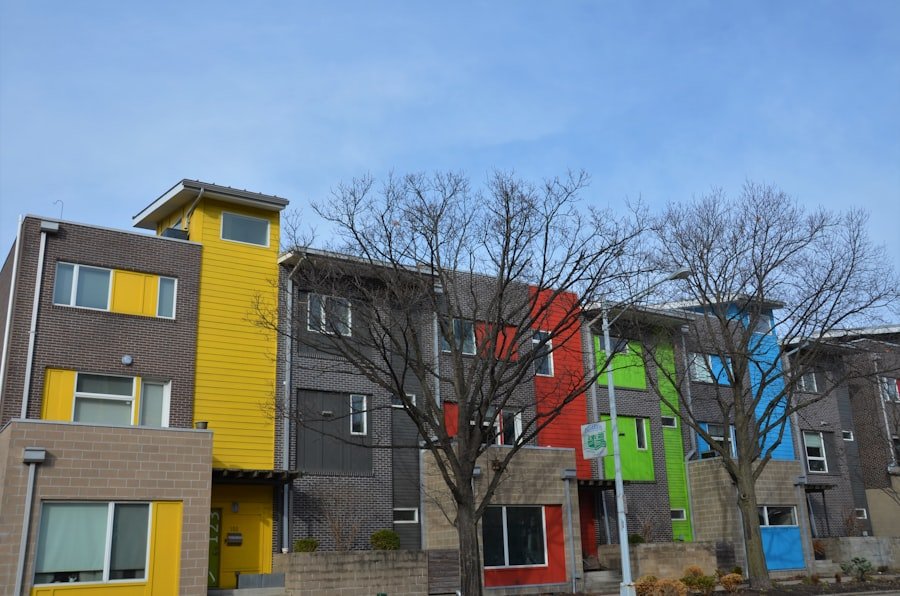
In an era where environmental concerns are paramount, sustainable and energy-efficient affordable housing should be a priority in Southern River’s development plans. Building homes that are environmentally friendly not only reduces carbon footprints but also lowers utility costs for residents. Energy-efficient designs can lead to significant savings on energy bills, making housing more affordable in the long run.
Moreover, sustainable building practices contribute to healthier living environments by improving indoor air quality and reducing exposure to harmful materials. Incorporating green spaces and community gardens into affordable housing developments can enhance residents’ quality of life while promoting biodiversity. As Southern River seeks to address its affordable housing crisis, prioritizing sustainability will ensure that new developments are not only economically viable but also environmentally responsible.
Community Engagement and Advocacy for Affordable Housing Solutions
Community engagement is essential in developing effective affordable housing solutions in Southern River. Residents must have a voice in shaping policies that affect their lives and communities. Engaging with local stakeholders—such as neighborhood associations, advocacy groups, and residents—can provide valuable insights into the specific needs and challenges faced by different demographic groups.
Advocacy efforts play a crucial role in raising awareness about the importance of affordable housing and mobilizing support for policy changes. Grassroots movements can drive change by organizing campaigns that highlight the urgency of the issue and push for action from local government officials. By fostering a culture of collaboration and inclusivity, Southern River can create a strong foundation for sustainable solutions that reflect the community’s values and priorities.
Innovative Architectural and Design Approaches for Affordable Housing
Innovative architectural and design approaches can significantly enhance the quality of affordable housing in Southern River. By embracing modern design principles that prioritize functionality, aesthetics, and sustainability, developers can create homes that are not only affordable but also appealing to residents. Modular construction techniques, for example, allow for faster building times and reduced costs while maintaining high-quality standards.
Additionally, incorporating flexible living spaces can accommodate diverse family structures and lifestyles. Designing homes with shared communal areas fosters a sense of community among residents while maximizing land use efficiency. By prioritizing innovative design approaches, Southern River can create vibrant neighborhoods that promote social interaction and enhance residents’ overall well-being.
The Challenges of Land Availability and Zoning Regulations for Affordable Housing
One of the most significant challenges facing affordable housing development in Southern River is land availability coupled with restrictive zoning regulations. As urban areas become more densely populated, suitable land for new developments becomes scarce. This scarcity drives up land prices, making it increasingly difficult for developers to create affordable units without compromising quality or sustainability.
Zoning regulations can also pose barriers to affordable housing development by limiting density or imposing strict design standards that may not align with cost-effective building practices. To address these challenges, local governments must consider revising zoning laws to encourage higher-density developments while ensuring that they meet community needs. By creating a more favorable regulatory environment for affordable housing projects, Southern River can unlock opportunities for growth while addressing its pressing housing crisis.
Addressing the Needs of Specific Demographic Groups in Affordable Housing Solutions
Affordable housing solutions must be tailored to meet the diverse needs of specific demographic groups within Southern River. Families with children may require larger units with access to schools and parks, while seniors may prioritize accessibility features and proximity to healthcare services. Additionally, individuals with disabilities may need specialized accommodations that ensure their independence and quality of life.
By conducting thorough assessments of community demographics and engaging with various groups, policymakers can develop targeted strategies that address these unique needs. This may involve creating mixed-income developments that cater to different household types or providing supportive services alongside housing options for vulnerable populations.
Ensuring that affordable housing solutions are inclusive will foster a sense of belonging within the community while promoting social equity.
The Future of Affordable Housing in Southern River: Opportunities and Challenges
The future of affordable housing in Southern River presents both opportunities and challenges as stakeholders work collaboratively to address this pressing issue. With increasing awareness of the importance of affordable housing among policymakers, community members, and developers alike, there is potential for innovative solutions that prioritize inclusivity and sustainability. However, challenges remain—rising land costs, gentrification pressures, and regulatory barriers must be navigated carefully to ensure that progress is made without displacing vulnerable populations or compromising quality standards.
By fostering collaboration among government agencies, non-profit organizations, developers, and community members, Southern River can create a roadmap for success that addresses its affordable housing crisis head-on. In conclusion, as Southern River continues to evolve as a thriving suburb within Perth, addressing the need for affordable housing will be critical to ensuring its long-term sustainability and livability. Through concerted efforts from all stakeholders involved—government initiatives, non-profit organizations, creative financing options, community engagement, innovative design approaches—the vision of an inclusive community where everyone has access to safe and affordable housing can become a reality.
If you are interested in affordable housing options in Southern River, you may want to check out the article on Carter St in Maddington, WA. This article provides valuable information on a specific property that may be within your budget. You can find more details by visiting <a href='https://smartrealty.com.au/carter-st-maddington-wa-6109/’>here. Additionally, if you are looking for a seamless property management experience, Smart Realty offers services that can elevate your experience. Learn more about how they can help you by clicking here.
Related reading: Discover the Best Furnished Rental Houses in Harrisdale — a detailed breakdown worth your time.