
The Kenwick Subdivision, nestled in the heart of Perth, is a vibrant area that has garnered attention for its potential in residential and commercial development. This region is characterized by its diverse community, accessibility to essential amenities, and proximity to major transport links. The subdivision is primarily residential, but its strategic location makes it an attractive option for mixed-use developments.
Understanding the nuances of the Kenwick Subdivision is crucial for developers, investors, and potential homeowners alike. The area boasts a rich history and a unique blend of urban and suburban living. With parks, schools, and shopping centers nearby, Kenwick offers a lifestyle that appeals to families, young professionals, and retirees.
The local government has been proactive in enhancing the infrastructure and services in the area, making it an even more appealing destination for those looking to invest in property. As the demand for housing continues to rise in Perth, understanding the dynamics of the Kenwick Subdivision becomes essential for anyone looking to capitalize on its potential.
Key Takeaways
- Kenwick Subdivision is a residential area with potential for development and growth.
- Factors such as location, market demand, and infrastructure are important in assessing the potential of Kenwick Subdivision.
- Zoning regulations and local laws play a crucial role in unlocking the potential of Kenwick Subdivision.
- Careful planning and design are essential in creating a successful and attractive subdivision in Kenwick.
- Infrastructure and utilities, as well as environmental impact and sustainability, are key considerations in developing Kenwick Subdivision.
Assessing the Potential of Kenwick Subdivision
Assessing the potential of the Kenwick Subdivision requires a comprehensive analysis of various factors that contribute to its desirability. One of the most significant aspects is the demographic trends in the area. With a growing population and an influx of new residents, there is an increasing demand for housing options that cater to different lifestyles and budgets.
This demand creates opportunities for developers to create innovative residential projects that meet the needs of the community. Moreover, the economic landscape surrounding Kenwick is also a critical factor in assessing its potential. The area has seen a steady increase in employment opportunities, with several businesses establishing themselves nearby.
This economic growth not only attracts new residents but also enhances the overall appeal of the subdivision for investors. By evaluating these trends and understanding the local market dynamics, stakeholders can make informed decisions about their investments in the Kenwick Subdivision.
Factors to Consider in Unlocking Subdivision Potential

Unlocking the potential of the Kenwick Subdivision involves a multifaceted approach that considers various factors. One of the primary considerations is land use and density. Developers must evaluate how best to utilize the available land while adhering to zoning regulations and community needs.
This may involve creating a mix of housing types, such as single-family homes, townhouses, and apartments, to cater to diverse demographics. Another critical factor is community engagement.
By fostering a sense of community ownership over development projects, developers can create spaces that resonate with residents and enhance their quality of life. Additionally, understanding the environmental impact of development is essential in ensuring that projects are sustainable and beneficial for both current and future residents.
Zoning and Regulations in Kenwick Subdivision
| Aspect | Metric |
|---|---|
| Zoning Type | Residential |
| Building Height Limit | 2 stories |
| Setback Requirements | Front: 20 feet, Side: 10 feet, Rear: 25 feet |
| Land Use Restrictions | No commercial use allowed |
Zoning regulations play a pivotal role in shaping the development landscape of the Kenwick Subdivision. These regulations dictate how land can be used and what types of structures can be built within specific areas. Developers must familiarize themselves with local zoning laws to ensure compliance and avoid potential legal issues down the line.
In Kenwick, zoning classifications may vary, allowing for a mix of residential, commercial, and recreational spaces. Understanding these regulations is not just about compliance; it also presents opportunities for creative development solutions. For instance, if certain areas are zoned for higher density housing, developers can explore innovative designs that maximize space while maintaining aesthetic appeal.
Additionally, staying informed about any upcoming changes to zoning laws can provide developers with a competitive edge in planning their projects.
Planning and Designing the Subdivision
Effective planning and design are crucial components in realizing the full potential of the Kenwick Subdivision. A well-thought-out design not only enhances the visual appeal of the area but also promotes functionality and livability.
These elements contribute to a sense of community and can significantly enhance property values. Moreover, engaging with architects and urban planners during the design phase can lead to innovative solutions that address both aesthetic and practical concerns. For example, integrating sustainable building practices into the design can reduce environmental impact while appealing to eco-conscious buyers.
By prioritizing thoughtful planning and design, developers can create a subdivision that stands out in the competitive real estate market.
Infrastructure and Utilities in Kenwick Subdivision
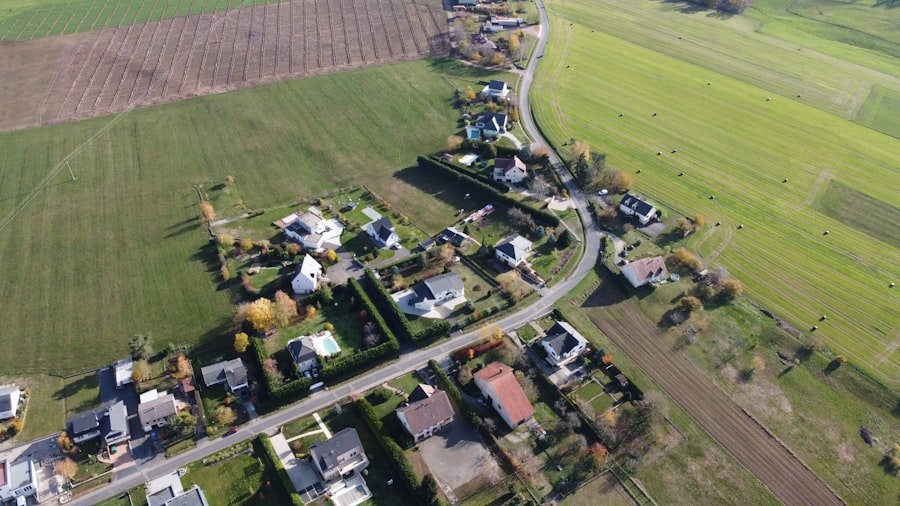
Infrastructure and utilities are foundational elements that significantly influence the success of any subdivision development. In Kenwick, developers must assess existing infrastructure such as roads, public transport options, water supply, sewage systems, and electricity availability. A well-developed infrastructure not only supports current residents but also attracts new ones by enhancing accessibility and convenience.
Investing in infrastructure improvements can also yield substantial returns for developers. Upgrading roads or enhancing public transport links can increase property values and make the subdivision more appealing to potential buyers. Furthermore, ensuring that utilities are reliable and efficient is essential for maintaining resident satisfaction and fostering a thriving community.
Environmental Impact and Sustainability
In today’s world, environmental considerations are paramount when developing any subdivision. The Kenwick Subdivision is no exception; developers must prioritize sustainability in their projects to minimize ecological footprints while promoting long-term viability. Conducting environmental impact assessments can help identify potential issues related to land use, water management, and biodiversity preservation.
Incorporating sustainable practices into development plans can also enhance marketability. Eco-friendly features such as energy-efficient buildings, green roofs, and rainwater harvesting systems resonate with environmentally conscious buyers. By prioritizing sustainability, developers not only contribute positively to the environment but also position themselves as responsible stewards of the land.
Marketing and Selling the Subdivision Lots
Once development plans are finalized, effective marketing strategies become essential for selling subdivision lots in Kenwick. Understanding the target market is crucial; developers must tailor their marketing efforts to appeal to specific demographics such as families, young professionals, or retirees. Utilizing digital marketing platforms, social media campaigns, and local advertising can help reach potential buyers effectively.
Additionally, showcasing the unique features of the subdivision—such as proximity to schools, parks, shopping centers, and public transport—can enhance its appeal. Hosting open houses or community events can also create buzz around the development while allowing potential buyers to experience the community firsthand. A well-executed marketing strategy can significantly impact sales success and contribute to a positive reputation for future developments.
Financial Considerations in Subdivision Development
Financial considerations are at the forefront of any subdivision development project in Kenwick. Developers must conduct thorough financial analyses to assess project feasibility and profitability. This includes estimating costs related to land acquisition, construction, infrastructure improvements, marketing expenses, and ongoing maintenance.
Securing financing is another critical aspect; developers may explore various funding options such as bank loans, private investors, or government grants aimed at promoting housing development. Additionally, understanding market trends can help developers set competitive pricing strategies that attract buyers while ensuring profitability. By carefully managing financial aspects throughout the development process, stakeholders can maximize returns on their investments.
Legal and Contractual Aspects of Subdivision Development
Navigating legal and contractual aspects is an integral part of subdivision development in Kenwick. Developers must ensure compliance with local laws and regulations governing land use, zoning, environmental protection, and building codes. Engaging legal counsel with expertise in real estate law can help mitigate risks associated with non-compliance or disputes.
Contracts with contractors, suppliers, and service providers must also be meticulously drafted to protect all parties involved. Clear terms regarding timelines, deliverables, payment schedules, and dispute resolution mechanisms are essential for maintaining smooth operations throughout the development process. By prioritizing legal considerations from the outset, developers can safeguard their investments and foster positive relationships with stakeholders.
Challenges and Opportunities in Unlocking Kenwick Subdivision Potential
Unlocking the potential of the Kenwick Subdivision presents both challenges and opportunities for developers. One significant challenge is navigating regulatory hurdles that may arise during the planning process. Zoning restrictions or environmental regulations can complicate development plans; however, these challenges often present opportunities for creative problem-solving.
Additionally, market fluctuations can impact demand for housing in Kenwick; staying attuned to economic trends allows developers to adapt their strategies accordingly. Conversely, rising demand for housing presents an opportunity for growth; by capitalizing on this trend through innovative designs and sustainable practices, developers can position themselves as leaders in the market. In conclusion, unlocking the potential of the Kenwick Subdivision requires a comprehensive understanding of various factors ranging from zoning regulations to community engagement.
By prioritizing thoughtful planning, sustainable practices, effective marketing strategies, and legal compliance, developers can create thriving communities that meet the needs of residents while maximizing investment returns. The journey may be fraught with challenges; however, with careful consideration and strategic planning, the opportunities for success are abundant in this promising area of Perth.
If you are considering investing in the Kenwick subdivision potential, you may also be interested in learning about the benefits of using virtual reality in real estate. Virtual reality technology can provide potential buyers with immersive experiences of properties, allowing them to explore homes from the comfort of their own space. To find out more about how virtual reality is revolutionizing the real estate industry, check out this article.
Want to learn more? Take a look at The Top Property Managers in Martin: Expert Management Services and Martin Real Estate Suburb Demand on the Rise — practical, locally focused advice worth your time.