
Ensuring Property Compliance: Rental Inspections in Maddington Explained
Rental inspections are a critical component of property management that cannot be overlooked. They serve as a vital checkpoint for both landlords and tenants, ensuring that the property is being maintained to a high standard and that any issues are identified and addressed promptly. For landlords, regular inspections provide an opportunity to assess the condition of their investment, ensuring that it remains in good repair and retains its value over time.
For tenants, these inspections are a chance to demonstrate their commitment to maintaining the property, fostering a positive relationship with their landlord. Moreover, rental inspections play a significant role in compliance with local laws and regulations. In many jurisdictions, including Western Australia, landlords are required to conduct regular inspections to adhere to the Residential Tenancy Act 1987.
This legislation is designed to protect the rights of both parties, ensuring that properties are safe and habitable. By conducting thorough inspections, landlords can mitigate potential disputes and maintain a transparent relationship with their tenants, ultimately leading to a more harmonious rental experience.
Key Takeaways
- Rental inspections are important for maintaining the condition of the property and ensuring tenant compliance with the lease agreement.
- Before a rental inspection in Maddington, tenants should ensure the property is clean and tidy, and report any maintenance issues to the property manager.
- During a rental inspection, tenants can expect the property manager to inspect the condition of the property, including checking for any damages or maintenance issues.
- Common issues found during rental inspections may include cleanliness, damage to the property, or non-compliance with the lease agreement.
- After a rental inspection, tenants should promptly address any maintenance or repair issues to ensure the property remains in compliance with the lease agreement.
Preparing for a Rental Inspection in Maddington
Preparation is key when it comes to rental inspections in Maddington. Landlords should take the time to inform their tenants about the inspection schedule well in advance, allowing them to prepare their living spaces accordingly. Clear communication is essential; landlords should provide details about what the inspection will entail and what areas will be assessed.
This transparency not only helps tenants feel more comfortable but also encourages them to take an active role in maintaining the property.
This includes cleaning common areas, addressing minor repairs, and ensuring that all appliances are functioning correctly.
By presenting a well-maintained property, tenants can demonstrate their respect for the landlord’s investment and their commitment to upholding the terms of the lease agreement. Additionally, this preparation can help foster goodwill between landlords and tenants, paving the way for a positive inspection experience.
What to Expect During a Rental Inspection
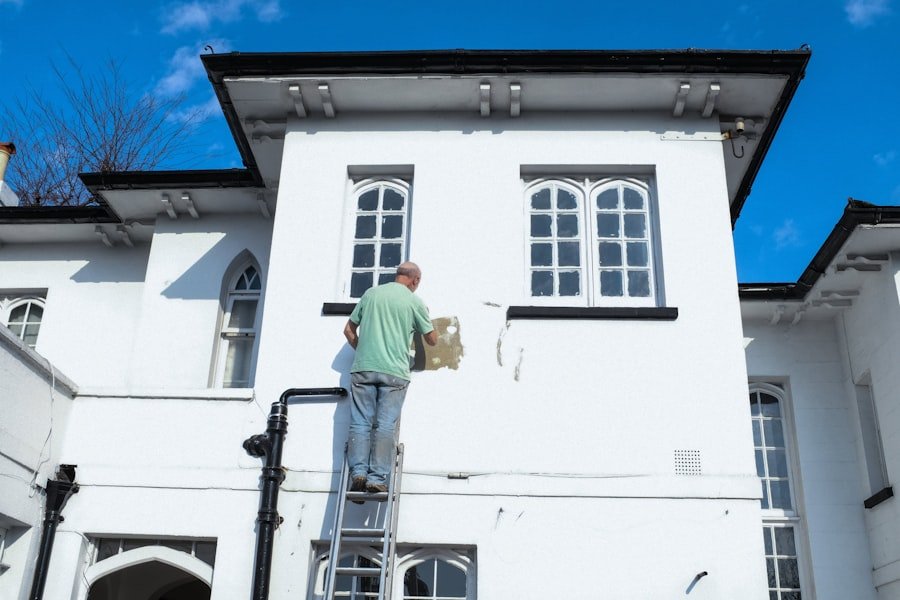
During a rental inspection, landlords can expect a thorough examination of the property, focusing on both its interior and exterior aspects.
They will also check for any signs of damage or wear and tear that may require attention.
This comprehensive approach ensures that all potential issues are identified early on, allowing for timely repairs and maintenance. For tenants, the inspection process can be somewhat nerve-wracking. However, it is essential to remember that inspections are not meant to be punitive; rather, they are an opportunity for both parties to engage in open dialogue about the property’s condition.
Tenants should feel empowered to ask questions during the inspection and voice any concerns they may have about maintenance or repairs. This collaborative approach can lead to a more productive inspection experience and help build trust between landlords and tenants.
Common Issues Found During Rental Inspections
| Issue | Frequency |
|---|---|
| Dirty or stained carpets | 30% |
| Wall marks or damages | 25% |
| Appliance malfunctions | 20% |
| Mold or mildew in bathroom | 15% |
| Leaky faucets or pipes | 10% |
While every property is unique, certain issues tend to arise frequently during rental inspections. One common concern is general wear and tear, which can manifest in various ways, such as scuffed walls, worn carpets, or damaged fixtures. These issues are often expected in rental properties but should still be addressed promptly to maintain the property’s overall appeal.
Another frequent issue is plumbing problems, which can range from minor leaks to more significant concerns like clogged drains or malfunctioning toilets. Electrical issues may also arise during inspections, including faulty wiring or non-functioning outlets. Identifying these problems early on is crucial for preventing more extensive damage down the line.
By addressing these common issues proactively, landlords can ensure that their properties remain safe and habitable for tenants.
Addressing Maintenance and Repairs After a Rental Inspection
Once a rental inspection has been completed and any issues have been identified, it is essential for landlords to take swift action in addressing maintenance and repairs. This not only demonstrates a commitment to maintaining the property but also fosters goodwill with tenants who appreciate prompt attention to their concerns. Landlords should prioritize repairs based on urgency; for example, plumbing issues may require immediate attention, while cosmetic concerns can be scheduled for later.
Effective communication is key during this process. Landlords should keep tenants informed about the timeline for repairs and any necessary arrangements that may need to be made during the process. By maintaining open lines of communication, landlords can help alleviate any potential frustrations that tenants may experience while waiting for repairs to be completed.
This proactive approach not only enhances tenant satisfaction but also contributes to a positive landlord-tenant relationship.
Tips for Maintaining Property Compliance Between Inspections
Maintaining compliance between rental inspections is essential for both landlords and tenants. For landlords, this means staying informed about local regulations and ensuring that their properties meet all safety and habitability standards. Regular maintenance checks can help identify potential issues before they escalate into more significant problems.
Additionally, keeping accurate records of all maintenance activities can provide valuable documentation in case of disputes. Tenants also play a crucial role in maintaining compliance between inspections. They should be encouraged to report any maintenance issues as soon as they arise rather than waiting for the next scheduled inspection.
This proactive approach not only helps keep the property in good condition but also demonstrates a commitment to upholding their responsibilities as tenants. By working together, landlords and tenants can create a harmonious living environment that benefits everyone involved.
Dealing with Disputes or Non-Compliance Issues
Disputes or non-compliance issues can arise during rental inspections or at any point during the tenancy. When these situations occur, it is essential for both landlords and tenants to approach them with a spirit of cooperation and open communication. If a dispute arises regarding maintenance responsibilities or property conditions, both parties should engage in constructive dialogue to reach a resolution.
In cases where disputes cannot be resolved amicably, it may be necessary to seek mediation or legal advice. Understanding local laws and regulations can help both parties navigate these situations more effectively. It is crucial for landlords to document all communications related to disputes and maintain records of any agreements reached during discussions.
This documentation can serve as valuable evidence if further action becomes necessary.
The Role of Property Managers in Ensuring Compliance
Property managers play an invaluable role in ensuring compliance with rental regulations and maintaining positive relationships between landlords and tenants. They act as intermediaries who facilitate communication and address any concerns that may arise during the tenancy. With their expertise in local laws and regulations, property managers can help landlords navigate complex compliance issues while ensuring that tenants’ rights are protected.
Additionally, property managers are responsible for conducting regular inspections and overseeing maintenance activities on behalf of landlords. Their involvement ensures that properties are well-maintained and compliant with safety standards at all times. By leveraging their experience and knowledge of the real estate market, property managers can help maximize property value while providing peace of mind for both landlords and tenants alike.
In conclusion, rental inspections are an essential aspect of property management that benefits both landlords and tenants alike. By understanding their importance, preparing adequately for inspections, addressing maintenance issues promptly, and fostering open communication between parties, everyone involved can contribute to a positive rental experience. Whether you are a landlord seeking to protect your investment or a tenant striving for a harmonious living environment, embracing these principles will lead to successful outcomes in your rental journey.
If you are considering rental inspections in Maddington, you may also be interested in reading about the real estate forecast for Thornlie. Smart Realty provides valuable insights into the housing market trends in various suburbs, including Thornlie. To learn more about the real estate forecast in Thornlie, visit this article.
Related reading: Willetton Rental Compliance: Ensuring WA Property Compliance, Tenancy Law Advice for Perth Renters and Understanding Thornlie Property Management Regulations. These guides go deeper on the topics that matter most to property law readers.