
Key Facts About Essential Property Cleaning After Tenancy in Perth
When a tenancy comes to an end, the importance of thorough property cleaning cannot be overstated. A clean property not only enhances its appeal for prospective tenants but also plays a crucial role in ensuring that landlords can maximize their investment. A well-maintained and spotless property can significantly influence the speed at which it is re-leased, reducing vacancy periods and ultimately leading to increased rental income.
Moreover, a clean environment fosters a sense of pride and respect for the property, which can lead to better care from future tenants. Additionally, thorough cleaning after a tenancy is essential for maintaining the property’s condition and value. Over time, dirt, grime, and neglect can accumulate, leading to potential damage that may require costly repairs.
By investing time and effort into a comprehensive cleaning process, landlords can prevent deterioration and ensure that their property remains in excellent condition for years to come. This proactive approach not only protects the landlord’s investment but also contributes to a positive rental experience for future tenants.
Key Takeaways
- Thorough property cleaning after tenancy is important to ensure a smooth handover and getting your bond back.
- Understanding the expectations of landlords and property managers is crucial for meeting cleaning standards.
- Creating a checklist for cleaning tasks can help ensure that all areas are covered and nothing is missed.
- Tips for cleaning carpets, floors, and surfaces include using appropriate cleaning products and techniques for each type of material.
- Addressing kitchen cleaning and appliance maintenance is essential for leaving the property in good condition and avoiding disputes with the landlord.
Understanding the expectations of landlords and property managers
To effectively manage a rental property, it is vital to understand the expectations of both landlords and property managers. Landlords typically expect their properties to be returned in a condition that is as close to the original state as possible. This means that tenants should leave the property clean, well-maintained, and free from any damage.
Property managers, on the other hand, are tasked with ensuring that these expectations are met while also maintaining a positive relationship with tenants. They must navigate the delicate balance between enforcing cleaning standards and fostering goodwill among tenants. Clear communication is key in this relationship.
Landlords should provide tenants with specific guidelines regarding cleaning expectations before they move in, while property managers should conduct regular inspections throughout the tenancy. This proactive approach helps to identify any issues early on and allows for timely resolutions. By understanding and aligning the expectations of all parties involved, property managers can create a harmonious environment that benefits both landlords and tenants alike.
Creating a checklist for cleaning tasks
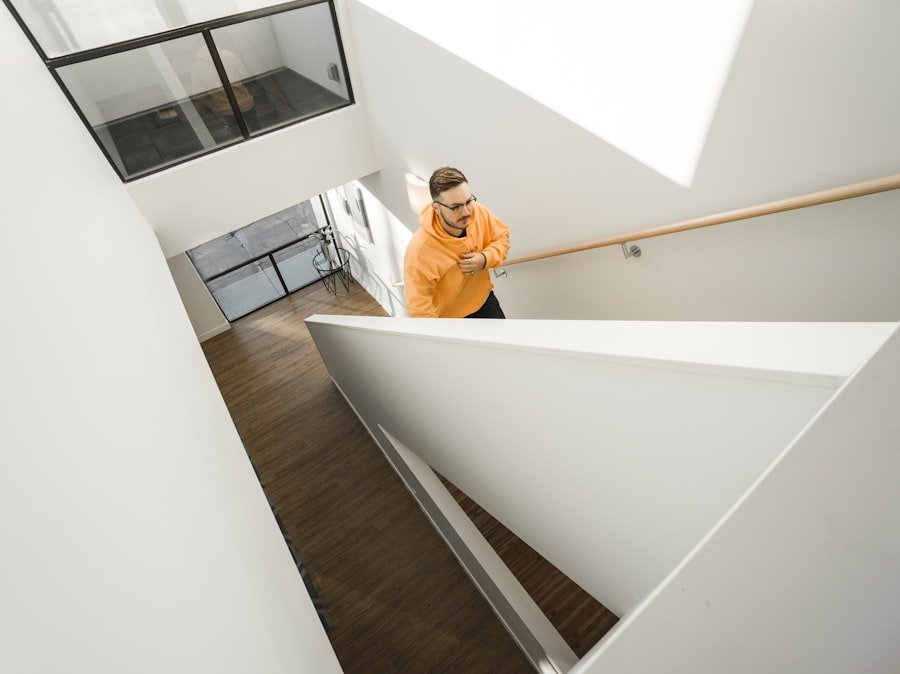
A well-structured checklist is an invaluable tool when it comes to ensuring thorough cleaning after a tenancy. By breaking down the cleaning process into manageable tasks, tenants can systematically address each area of the property without feeling overwhelmed. A comprehensive checklist should cover all aspects of the property, including living areas, bedrooms, kitchens, bathrooms, and outdoor spaces.
This organized approach not only streamlines the cleaning process but also ensures that no area is overlooked. In addition to listing specific tasks, it is helpful to include estimated timeframes for each cleaning activity. This allows tenants to allocate their time effectively and ensures that they can complete the cleaning process within the required timeframe.
Furthermore, providing a checklist can serve as a reference point for property managers during inspections, making it easier to assess whether the property has been cleaned to an acceptable standard.
Tips for cleaning carpets, floors, and surfaces
| Surface | Tips for Cleaning |
|---|---|
| Carpets | Vacuum regularly, spot clean stains, and steam clean periodically |
| Floors | Sweep or vacuum daily, mop with appropriate cleaner, and polish if necessary |
| Surfaces | Use disinfectant wipes or spray, wipe with microfiber cloth, and avoid abrasive cleaners |
Cleaning carpets, floors, and surfaces requires a strategic approach to achieve optimal results. For carpets, it is essential to start by vacuuming thoroughly to remove loose dirt and debris. Following this, spot cleaning any stains with appropriate cleaning solutions can help restore the carpet’s appearance.
For deeper cleaning, consider renting or purchasing a carpet cleaner that uses hot water extraction methods to eliminate embedded dirt and allergens. When it comes to hard floors, different materials require different cleaning techniques. For hardwood floors, using a damp mop with a pH-neutral cleaner is ideal to avoid damaging the finish.
For tile or laminate floors, sweeping or vacuuming followed by mopping with a suitable cleaner will ensure they shine. Additionally, surfaces such as countertops and tables should be wiped down with disinfectant wipes or sprays to eliminate germs and bacteria. By employing these targeted cleaning strategies, tenants can ensure that carpets, floors, and surfaces are left in pristine condition.
Addressing kitchen cleaning and appliance maintenance
The kitchen is often considered the heart of the home, making it essential to pay special attention to its cleanliness after a tenancy. Start by clearing out all food items from cabinets and the refrigerator, ensuring that no remnants are left behind. Wiping down shelves and surfaces with a disinfectant will help eliminate any lingering odors or bacteria.
Appliance maintenance is equally important in this process. Ovens should be cleaned using specialized oven cleaners or baking soda paste to remove grease and burnt-on food. Dishwashers require attention as well; running an empty cycle with vinegar can help eliminate odors and buildup.
By addressing both surface cleanliness and appliance maintenance, tenants can leave the kitchen in excellent condition for future occupants.
Cleaning and disinfecting bathrooms and toilets

Bathrooms are high-traffic areas that require thorough cleaning and disinfecting after a tenancy. Start by removing all personal items and toiletries from countertops and cabinets. Next, focus on scrubbing sinks, tubs, and showers with appropriate bathroom cleaners to remove soap scum and mildew.
Pay special attention to grout lines, as they can harbor mold if not properly cleaned. Toilets require specific attention as well; using a toilet bowl cleaner along with a toilet brush will help eliminate stains and bacteria. Wiping down all surfaces with disinfectant wipes or sprays will ensure that germs are eradicated from high-touch areas such as faucets and light switches.
By taking these steps, tenants can ensure that bathrooms are left sparkling clean and hygienic for future residents.
Managing outdoor areas and garden maintenance
Outdoor areas often get overlooked during the cleaning process but are just as important as indoor spaces. A well-maintained garden or yard can significantly enhance the overall appeal of a property. Begin by clearing away any debris such as leaves or branches that may have accumulated during the tenancy.
Mowing the lawn and trimming hedges will create a neat appearance while also promoting healthy growth. Additionally, patios or decks should be swept clean of dirt and debris, while outdoor furniture should be wiped down to remove dust or stains. If applicable, consider power washing surfaces like driveways or walkways to restore their original luster.
By dedicating time to outdoor areas, tenants can leave a lasting impression on landlords while also contributing positively to the neighborhood’s aesthetic.
Dealing with stubborn stains and marks on walls and fixtures
Stubborn stains on walls and fixtures can be particularly challenging to address after a tenancy. However, with the right techniques and products, these marks can often be removed without causing damage. For walls, start by identifying the type of paint used; flat paints may require different cleaning methods than semi-gloss finishes.
A gentle mixture of warm water and mild soap can be effective for most stains; simply dab the solution onto the stain using a soft cloth. For tougher marks such as crayon or scuff marks from shoes, consider using a magic eraser or specialized stain remover designed for walls. Fixtures such as light switches or doorknobs should be wiped down with disinfectant wipes to remove fingerprints and grime.
By addressing these stubborn stains effectively, tenants can leave walls and fixtures looking fresh and clean.
Handling rubbish removal and waste disposal
Proper rubbish removal and waste disposal are critical components of post-tenancy cleaning. Tenants should begin by sorting through their belongings to identify items that need to be discarded or recycled. It is essential to follow local regulations regarding waste disposal; many municipalities have specific guidelines for hazardous materials or large items that require special handling.
For general rubbish removal, consider utilizing local waste collection services or community drop-off centers for recycling items such as cardboard or electronics. Ensuring that all rubbish is removed from both indoor and outdoor areas will leave the property looking tidy while also demonstrating respect for the landlord’s investment.
When it comes to post-tenancy cleaning, tenants often face the decision of whether to hire professional cleaners or tackle the task themselves. Hiring professionals can save time and effort while ensuring that every aspect of the property is cleaned thoroughly. Professional cleaners have access to specialized equipment and products that may not be available to the average tenant, resulting in superior results.
On the other hand, DIY cleaning allows tenants to save money while also taking personal responsibility for their living space. With proper planning and organization, many tenants find that they can achieve satisfactory results on their own without incurring additional costs. Ultimately, the decision will depend on individual circumstances such as budget constraints and personal preferences.
Ensuring a smooth handover and getting your bond back
A smooth handover process is essential for ensuring that tenants receive their bond back in full after vacating a property. To achieve this, it is crucial for tenants to adhere closely to cleaning guidelines provided by landlords or property managers while also documenting their efforts through photographs or checklists. Conducting a final inspection with the landlord or property manager before vacating can help identify any areas of concern that need addressing before moving out completely.
Open communication throughout this process will foster goodwill between parties while also ensuring that all expectations are met satisfactorily. By following these steps diligently, tenants can increase their chances of receiving their bond back in full while leaving behind a clean and well-maintained property for future occupants.
If you are looking for a comprehensive property management service in Perth, you may want to check out this article on Smart Realty’s website. They offer all-inclusive property management rates that cover everything from tenant screening to property maintenance. This can be especially helpful when it comes to handling property cleaning after a tenancy in Perth, ensuring that your property is left in top condition for the next tenants.
Related articles: Executive Rentals in Queen’s Park: Luxurious Living in London and Exploring Huntingdale Real Estate Rentals: Your Ultimate Guide.