
Why Ensuring Rental Property Quality Matters
Regular inspections of rental properties are not merely a formality; they are a critical component of effective property management. These inspections serve as a proactive measure to ensure that the property remains in good condition, safeguarding the investment for landlords while providing a safe and comfortable living environment for tenants. By conducting routine inspections, property managers can identify potential issues before they escalate into costly repairs, thereby preserving the value of the property and enhancing tenant satisfaction.
Moreover, regular inspections foster a sense of accountability and communication between landlords and tenants. They create an opportunity for landlords to engage with their tenants, ensuring that any concerns or maintenance requests are addressed promptly. This open line of communication can lead to improved tenant retention rates, as tenants feel valued and heard.
In a competitive rental market like Perth, maintaining a positive relationship with tenants is essential for long-term success.
Key Takeaways
- Regular inspections are important for rental properties to ensure they are well-maintained and to address any issues promptly.
- Understanding the legal requirements for property inspections in Perth is crucial for both landlords and tenants to avoid any disputes or misunderstandings.
- Regular inspections benefit landlords by ensuring their property is well-maintained and benefit tenants by addressing any issues promptly.
- To prepare for a rental property inspection, landlords should ensure the property is clean, well-maintained, and all necessary documentation is in order.
- Common issues found during rental property inspections include cleanliness, damage to the property, and maintenance issues that need to be addressed.
Understanding the Legal Requirements for Property Inspections in Perth
In Perth, property inspections are governed by the Residential Tenancy Act 1987, which outlines the legal framework for landlords and tenants. According to this legislation, landlords are required to provide tenants with adequate notice before conducting an inspection, typically 7 days in advance. This legal requirement ensures that tenants have sufficient time to prepare for the inspection and allows them to be present during the process if they choose.
Understanding these legal requirements is crucial for both landlords and property managers. Non-compliance can lead to disputes and potential legal ramifications, which can be detrimental to both parties involved. By adhering to the guidelines set forth in the Residential Tenancy Act, landlords can protect their interests while also respecting the rights of their tenants.
This balance is essential for maintaining a harmonious rental relationship and ensuring that inspections are conducted smoothly and professionally.
Benefits of Regular Inspections for Landlords and Tenants
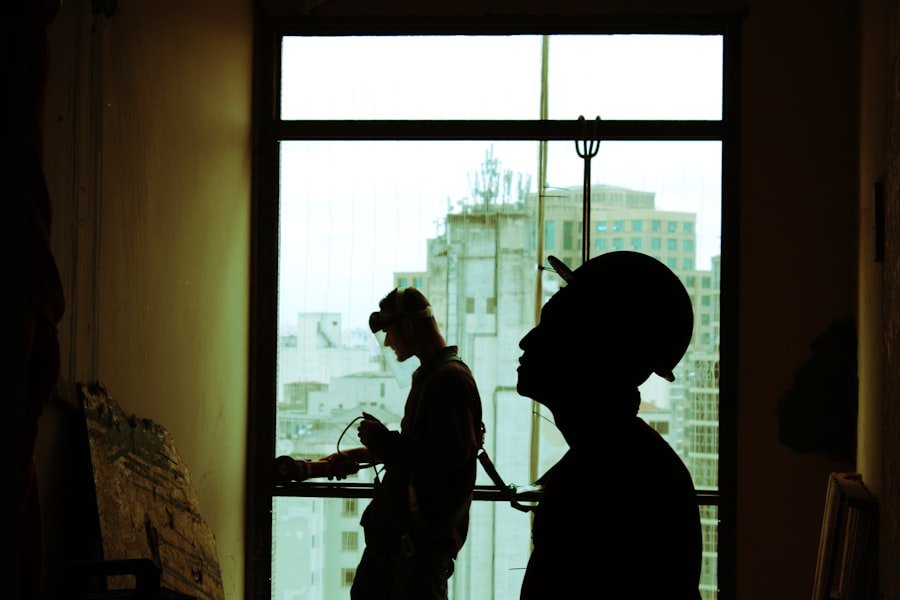
The benefits of regular inspections extend beyond mere compliance with legal requirements; they provide tangible advantages for both landlords and tenants. For landlords, regular inspections serve as a safeguard against property damage and neglect. By identifying maintenance issues early on, landlords can address them promptly, preventing further deterioration and costly repairs down the line.
This proactive approach not only protects the property’s value but also enhances its appeal to prospective tenants. For tenants, regular inspections offer peace of mind. Knowing that their living environment is being monitored and maintained fosters a sense of security.
Tenants are more likely to report issues when they know that their landlord is actively engaged in the upkeep of the property. Additionally, regular inspections can lead to improved living conditions, as landlords are more likely to address maintenance requests when they have firsthand knowledge of the property’s condition. This collaborative approach ultimately benefits both parties, creating a positive rental experience.
How to Prepare for a Rental Property Inspection
| Area of Inspection | Preparation Tips |
|---|---|
| Interior | Ensure all appliances are clean and in working order. Check for any signs of damage or wear and tear. |
| Exterior | Trim any overgrown vegetation, clean the windows, and ensure the exterior of the property is well-maintained. |
| Utilities | Make sure all utilities are functioning properly, including plumbing, heating, and electrical systems. |
| Documentation | Have all necessary documentation ready, including lease agreements, maintenance records, and any relevant permits or licenses. |
| Security and Safety | Check that all smoke detectors, carbon monoxide detectors, and security systems are in good working condition. |
Preparation is key to ensuring a successful rental property inspection. Landlords and property managers should take several steps to ensure that the inspection process runs smoothly. First and foremost, it is essential to communicate with tenants well in advance of the inspection date.
Providing clear information about what to expect during the inspection can help alleviate any concerns tenants may have and encourage their cooperation. Additionally, landlords should conduct a preliminary walkthrough of the property before the official inspection. This allows them to identify any obvious issues that may need addressing prior to the inspection, such as maintenance concerns or cleanliness issues.
Ensuring that the property is presentable not only reflects well on the landlord but also sets a positive tone for the inspection itself. By taking these proactive steps, landlords can create an environment conducive to a thorough and productive inspection.
Common Issues Found During Rental Property Inspections
During rental property inspections, various common issues may arise that require attention from landlords or property managers. One frequent concern is maintenance-related problems, such as leaky faucets, malfunctioning appliances, or damaged flooring. These issues can significantly impact tenant satisfaction and should be addressed promptly to maintain a positive rental experience.
Another common issue found during inspections is cleanliness and hygiene concerns. Properties that are not well-maintained can develop pest infestations or mold growth, which pose health risks to tenants. Regular inspections allow landlords to identify these problems early on and take appropriate action before they escalate into more significant issues.
By addressing these common concerns proactively, landlords can ensure that their properties remain safe and comfortable for tenants.
Tips for Conducting a Thorough Rental Property Inspection
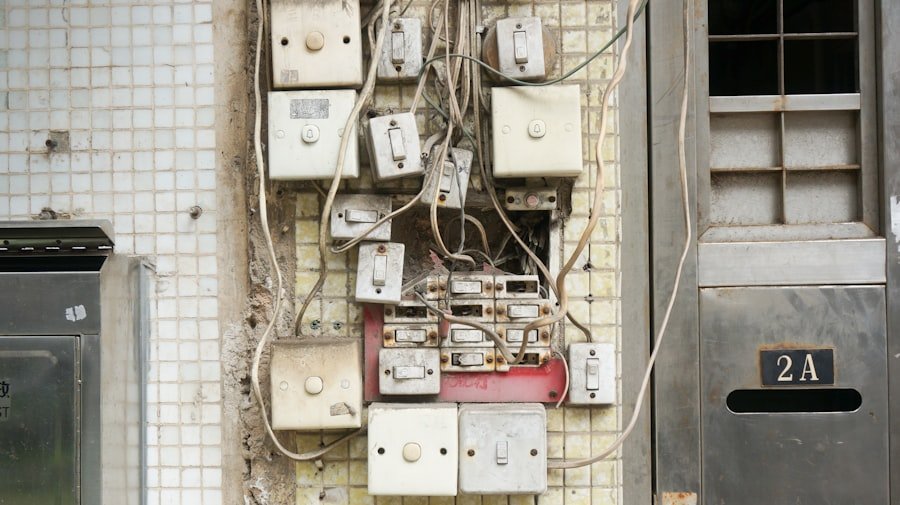
Conducting a thorough rental property inspection requires attention to detail and a systematic approach. Property managers should create a checklist outlining all areas of the property that need to be inspected, including common areas, individual units, and outdoor spaces. This checklist serves as a guide to ensure that no aspect of the property is overlooked during the inspection process.
During the inspection, it is essential to take detailed notes and photographs of any issues identified. This documentation can be invaluable when communicating with tenants about necessary repairs or maintenance tasks. Additionally, being transparent about findings fosters trust between landlords and tenants, reinforcing the importance of open communication in maintaining a positive rental relationship.
The Role of Property Managers in Ensuring Quality Inspections
Property managers play a pivotal role in ensuring that rental property inspections are conducted effectively and efficiently. Their expertise in navigating the complexities of property management allows them to identify potential issues that may not be immediately apparent to landlords or tenants. By leveraging their experience, property managers can provide valuable insights into maintaining the property’s condition and maximizing its value.
Furthermore, property managers serve as intermediaries between landlords and tenants during the inspection process. They facilitate communication, ensuring that both parties are informed about inspection findings and any necessary follow-up actions. This collaborative approach not only streamlines the inspection process but also fosters a sense of trust and transparency between all parties involved.
Addressing Maintenance and Repairs After a Rental Property Inspection
Once a rental property inspection has been completed, it is crucial for landlords and property managers to address any identified maintenance or repair issues promptly. Delaying repairs can lead to further deterioration of the property and negatively impact tenant satisfaction. By prioritizing maintenance tasks based on urgency and severity, landlords can ensure that their properties remain in optimal condition.
Additionally, effective communication with tenants regarding repair timelines is essential. Keeping tenants informed about when they can expect repairs to be completed demonstrates professionalism and respect for their living situation. This proactive approach not only enhances tenant satisfaction but also reinforces the landlord’s commitment to maintaining a high-quality rental experience.
Using Technology to Streamline the Inspection Process
In today’s digital age, technology plays an increasingly important role in streamlining the rental property inspection process. Property management software can facilitate scheduling inspections, tracking maintenance requests, and documenting findings in real-time. By leveraging technology, property managers can enhance efficiency and accuracy throughout the inspection process.
Moreover, digital tools allow for easy communication with tenants regarding inspection schedules and findings. Automated notifications can keep tenants informed about upcoming inspections and any necessary follow-up actions. This level of transparency fosters trust between landlords and tenants while ensuring that everyone is on the same page throughout the inspection process.
Communicating Inspection Findings with Tenants
Effective communication of inspection findings with tenants is crucial for maintaining a positive rental relationship. After an inspection has been conducted, property managers should provide tenants with a detailed report outlining any identified issues or concerns. This report should include photographs and descriptions of necessary repairs or maintenance tasks.
Additionally, it is essential to engage in open dialogue with tenants regarding the findings of the inspection. Encouraging tenants to ask questions or express concerns fosters a collaborative atmosphere where both parties feel valued and respected. By prioritizing clear communication, landlords can build trust with their tenants while ensuring that necessary actions are taken promptly.
Ensuring Compliance with Rental Property Inspection Regulations in Perth
Compliance with rental property inspection regulations in Perth is paramount for landlords and property managers alike. Adhering to the guidelines set forth in the Residential Tenancy Act 1987 not only protects landlords from potential legal disputes but also ensures that tenants’ rights are respected throughout the inspection process. To maintain compliance, landlords should stay informed about any changes to relevant legislation and adjust their practices accordingly.
Regular training sessions for property managers can also help ensure that everyone involved in the inspection process understands their responsibilities under the law. By prioritizing compliance with regulations, landlords can create a positive rental experience while safeguarding their investments for years to come. In conclusion, regular inspections are an integral part of effective property management in Perth.
By understanding legal requirements, preparing adequately for inspections, addressing maintenance issues promptly, leveraging technology, communicating effectively with tenants, and ensuring compliance with regulations, landlords can create a positive rental experience that benefits both parties involved. With diligent attention to detail and a commitment to excellence, property managers can maximize property value while fostering strong relationships with tenants.
Regular inspections are a crucial aspect of maintaining a rental property in Perth. According to a recent article on Smart Realty’s website, the property located at Mariana Cl, Maddington, WA 6109 underwent a thorough inspection that highlighted the importance of routine checks to ensure the property’s upkeep. This article serves as a reminder to landlords and property managers in Perth to prioritize regular inspections to protect their investments and provide a safe and comfortable living environment for tenants. For more information on rental property inspections, visit Smart Realty’s agent grid or read about another property inspection at Barming St, Gosnells, WA 6110.