
How Tenant Feedback in Perth Affects You
Tenant feedback is an invaluable resource in the realm of property management, serving as a critical barometer for the health of rental relationships. When tenants feel empowered to share their experiences, it not only fosters a sense of community but also provides landlords and property managers with insights that can lead to improved services and enhanced living conditions. Listening to tenant feedback is not merely a courtesy; it is a strategic approach that can significantly influence tenant retention rates and overall satisfaction.
By actively seeking and valuing tenant opinions, property managers can identify areas for improvement, ensuring that their properties remain competitive in a dynamic rental market. Moreover, tenant feedback can illuminate trends and common concerns that may not be immediately apparent to property managers. For instance, if multiple tenants report issues with heating or cooling systems, it signals a need for immediate attention.
By addressing these concerns proactively, property managers can prevent minor issues from escalating into major problems, thereby safeguarding their investment and enhancing tenant satisfaction. In essence, tenant feedback is a two-way street; it empowers renters while providing property managers with the tools they need to create a thriving rental environment.
Key Takeaways
- Tenant feedback is crucial for property management to understand and address the needs and concerns of renters.
- Common issues raised by renters include maintenance and repair delays, rent affordability, and security and safety concerns.
- Satisfaction with property management is often linked to communication and responsiveness of landlords in addressing tenant issues.
- Maintenance and repairs are key factors in determining the quality of rental properties and tenant satisfaction.
- Rent affordability, neighborhood amenities, and pet policies are important considerations for renters when evaluating rental properties.
Common Issues Raised by Renters
Renters often voice a variety of concerns that can significantly impact their overall experience in a rental property. Among the most common issues are maintenance delays, unclear communication regarding lease terms, and the condition of the property upon move-in. Tenants expect timely responses to maintenance requests, as delays can lead to frustration and dissatisfaction.
When maintenance issues are not addressed promptly, it can create an atmosphere of neglect, leading tenants to question the quality of management and their decision to rent the property in the first place. Another prevalent concern among renters is the clarity of lease agreements. Many tenants find themselves confused by complex terms or hidden fees that were not adequately explained during the leasing process.
This lack of transparency can lead to mistrust between tenants and landlords, ultimately affecting tenant retention. By ensuring that lease agreements are straightforward and that all terms are clearly communicated, property managers can foster a more positive relationship with their tenants, reducing misunderstandings and enhancing overall satisfaction.
Satisfaction with Property Management

The satisfaction level of tenants with property management services is a crucial indicator of success in the rental market. Happy tenants are more likely to renew their leases and recommend properties to friends and family, creating a positive cycle of referrals and reduced vacancy rates. Effective property management hinges on several factors, including responsiveness to tenant needs, proactive communication, and a commitment to maintaining high standards within the property.
When tenants feel valued and heard, their overall satisfaction increases significantly. Furthermore, satisfied tenants often become advocates for their property management team, sharing their positive experiences through word-of-mouth or online reviews. This organic promotion can be invaluable in attracting new renters and establishing a strong reputation in the community.
Property managers who prioritize tenant satisfaction not only enhance their current relationships but also lay the groundwork for future success by building a loyal tenant base that appreciates their efforts.
Communication and Responsiveness of Landlords
| Communication and Responsiveness of Landlords | Metrics |
|---|---|
| Response Time | 24 hours |
| Availability | 24/7 |
| Communication Channels | Email, Phone, Text |
| Resolution Time for Issues | Within 48 hours |
Effective communication is the cornerstone of any successful landlord-tenant relationship. Tenants expect their landlords to be accessible and responsive to their inquiries or concerns. When landlords prioritize open lines of communication, it fosters trust and transparency, which are essential for maintaining a positive rental experience.
Tenants should feel comfortable reaching out with questions or issues without fear of being ignored or dismissed. In addition to being responsive, landlords must also ensure that they communicate important information clearly and promptly. Whether it’s updates on maintenance schedules or changes in rental policies, timely communication helps tenants feel informed and valued.
A landlord who takes the time to engage with their tenants demonstrates a commitment to their well-being, which can significantly enhance tenant satisfaction and loyalty.
Maintenance and Repairs
Maintenance and repairs are critical components of property management that directly impact tenant satisfaction. Tenants expect their living spaces to be well-maintained and any issues to be addressed promptly. Delays in repairs can lead to frustration and dissatisfaction, making it essential for property managers to have efficient systems in place for handling maintenance requests.
A proactive approach to maintenance not only keeps tenants happy but also protects the property’s value over time. Moreover, regular inspections and preventative maintenance can help identify potential issues before they escalate into costly repairs. By investing in routine upkeep, property managers can ensure that properties remain in excellent condition, which ultimately benefits both tenants and landlords alike.
A well-maintained property enhances tenant comfort and satisfaction while preserving the long-term value of the investment.
Quality of Rental Properties
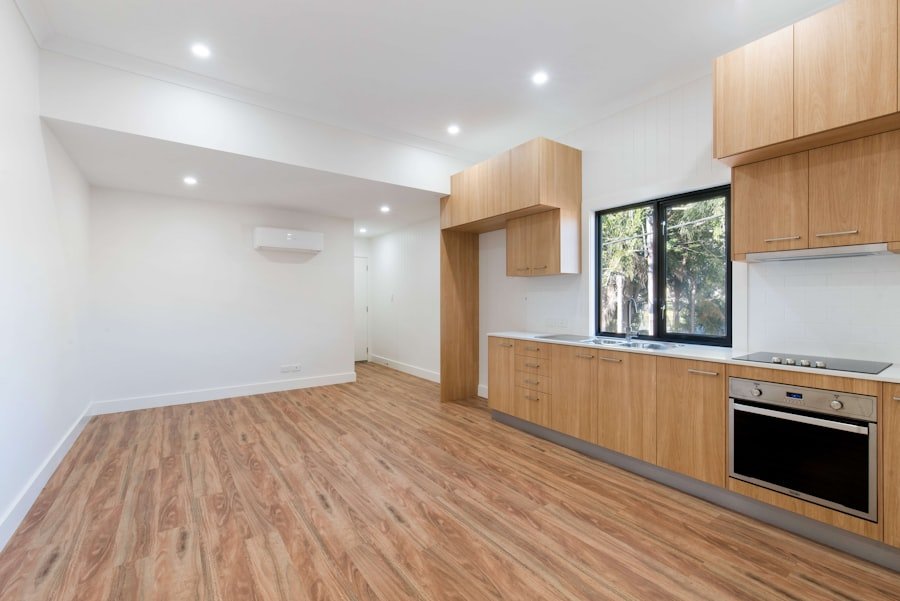
The quality of rental properties plays a significant role in attracting and retaining tenants. High-quality properties that are clean, well-maintained, and equipped with modern amenities tend to command higher rents and attract more desirable tenants. Conversely, properties that are poorly maintained or lack essential features may struggle to find occupants or may require significant rent reductions to attract interest.
Tenants are increasingly discerning when it comes to choosing rental properties; they seek spaces that reflect their lifestyle preferences and offer comfort and convenience. Property managers who invest in quality renovations and upgrades can differentiate their offerings in a competitive market. By prioritizing quality in every aspect of property management—from aesthetics to functionality—landlords can create appealing living environments that resonate with potential renters.
Rent Affordability
Rent affordability is a pressing concern for many tenants, particularly in urban areas where housing costs continue to rise. As wages stagnate or fail to keep pace with inflation, renters are increasingly challenged to find accommodations that fit within their budgets. Property managers must be mindful of this reality when setting rental prices; striking a balance between profitability and affordability is essential for attracting and retaining tenants.
Offering flexible payment options or incentives for long-term leases can help alleviate some financial pressure on renters while ensuring consistent income for landlords. Additionally, transparent communication about rent increases—along with justifications based on market trends—can help tenants feel more comfortable with changes in pricing. By prioritizing affordability without compromising on quality, property managers can create win-win situations for both landlords and tenants.
Neighborhood and Community Amenities
The neighborhood surrounding a rental property significantly influences tenant decisions when choosing where to live. Access to amenities such as parks, schools, shopping centers, public transportation, and recreational facilities can enhance the appeal of a property. Tenants often prioritize locations that offer convenience and opportunities for social engagement; therefore, property managers should consider these factors when marketing their rentals.
Furthermore, fostering a sense of community within neighborhoods can enhance tenant satisfaction and retention rates. Organizing community events or providing information about local resources can help tenants feel more connected to their surroundings. By promoting the benefits of the neighborhood alongside the features of the rental property itself, landlords can create a compelling narrative that attracts potential renters.
Security and Safety Concerns
Security and safety are paramount considerations for tenants when selecting a rental property. Tenants want assurance that they will be safe in their homes and neighborhoods; therefore, property managers must prioritize security measures such as adequate lighting, secure entry points, and surveillance systems where appropriate. Addressing safety concerns proactively not only protects tenants but also enhances the overall reputation of the property.
Additionally, fostering open communication about safety protocols—such as emergency procedures or neighborhood watch programs—can help tenants feel more secure in their living environment. When tenants perceive that their safety is taken seriously by their landlords, it builds trust and confidence in the management team. Ultimately, prioritizing security contributes to tenant satisfaction and retention while safeguarding the property’s value.
Pet Policies and Restrictions
Pet policies are another area where tenant feedback is crucial. Many renters are pet owners who seek accommodations that welcome their furry companions; however, restrictive pet policies can limit potential tenant pools. Property managers should consider adopting flexible pet policies that allow for responsible pet ownership while addressing concerns about damage or noise.
By implementing reasonable pet policies—such as requiring pet deposits or limiting certain breeds—property managers can attract pet owners while still protecting their investments. Additionally, promoting pet-friendly amenities within the property or nearby parks can enhance its appeal to prospective renters who prioritize pet ownership as part of their lifestyle.
Suggestions for Improvement
To enhance tenant satisfaction further, property managers should actively seek suggestions for improvement from current residents. Regular surveys or feedback sessions can provide valuable insights into areas where management can enhance services or address concerns more effectively. By demonstrating a willingness to listen and adapt based on tenant feedback, property managers can foster stronger relationships with residents.
Moreover, investing in ongoing training for staff on customer service best practices can improve communication skills and responsiveness across the board. Ensuring that all team members understand the importance of tenant feedback will create a culture of continuous improvement within the organization. By prioritizing tenant satisfaction through proactive engagement and responsiveness, property managers can build lasting relationships with residents while maximizing the value of their properties over time.
In conclusion, understanding tenant feedback is essential for effective property management. By addressing common issues raised by renters—such as maintenance delays, communication gaps, and affordability—property managers can enhance tenant satisfaction significantly. Prioritizing quality properties in desirable neighborhoods while ensuring safety measures are in place will further attract potential renters.
Ultimately, fostering open lines of communication with tenants will create an environment where both parties thrive together in harmony.
If you are interested in learning more about tenant feedback in Perth, you may want to check out this article on real estate property management. This article provides valuable insights into how property managers can effectively gather and utilize feedback from tenants to improve their services and maintain positive relationships with renters. Additionally, it offers tips on how to address any issues or concerns raised by tenants in a timely and professional manner.
Looking for more detail? Our team has put together a comprehensive resource on Efficient Property Management Services in Queens Park.
For related advice specific to your situation, our article on Top Real Estate Brokers in Queens Park, WA: Your Key to Find covers the essentials.