
How Essential Rental Inspection Checklist for Perth Properties Affects You
In the realm of property management, ensuring that a rental property is in optimal condition is paramount for both landlords and tenants. A comprehensive rental inspection checklist serves as a vital tool in this process, allowing property managers and owners to systematically evaluate the condition of their properties. This checklist not only helps in identifying maintenance issues before they escalate but also fosters a transparent relationship between landlords and tenants.
By adhering to a structured inspection process, property owners can ensure that their investments are well-maintained, while tenants can enjoy a safe and comfortable living environment. Regular inspections are not merely a formality; they are an essential practice that can significantly impact the longevity of a property and the satisfaction of its occupants. A thorough inspection can uncover hidden problems, such as plumbing leaks or electrical issues, that may not be immediately visible.
By addressing these concerns proactively, landlords can avoid costly repairs down the line and maintain the value of their investment. Furthermore, a well-documented inspection process can serve as a protective measure in disputes between landlords and tenants, providing clear evidence of the property’s condition at various points in time.
Key Takeaways
- Rental inspection checklists are essential for landlords and tenants to ensure the property is well-maintained.
- Exterior inspection should include checking the yard, landscaping, building structure, and roof for any damages or safety hazards.
- Interior inspection covers walls, floors, ceilings, plumbing, and electrical systems to ensure everything is in working order.
- Kitchen inspection should focus on appliances and fixtures to ensure they are functioning properly.
- Regular rental inspections are important for the safety and security of the property, including checking smoke alarms and locks.
Exterior Inspection: Yard and Landscaping
The exterior of a rental property is the first impression that potential tenants will have, making it crucial to maintain an appealing yard and landscaping. During an exterior inspection, property managers should assess the overall condition of the yard, including the health of the grass, shrubs, and trees. Overgrown vegetation can detract from the property’s curb appeal and may even pose safety hazards.
Regular maintenance, such as mowing the lawn, trimming hedges, and removing debris, is essential to create an inviting atmosphere for tenants. Additionally, landscaping features such as walkways, patios, and fences should be evaluated for wear and tear. Cracked pathways or damaged fences not only diminish the aesthetic appeal but can also lead to liability issues if they pose a risk to tenants or visitors.
A well-maintained exterior not only enhances the property’s value but also reflects the landlord’s commitment to providing a quality living environment. By investing time and resources into exterior upkeep, landlords can attract quality tenants who appreciate a well-cared-for property.
Exterior Inspection: Building Structure and Roof
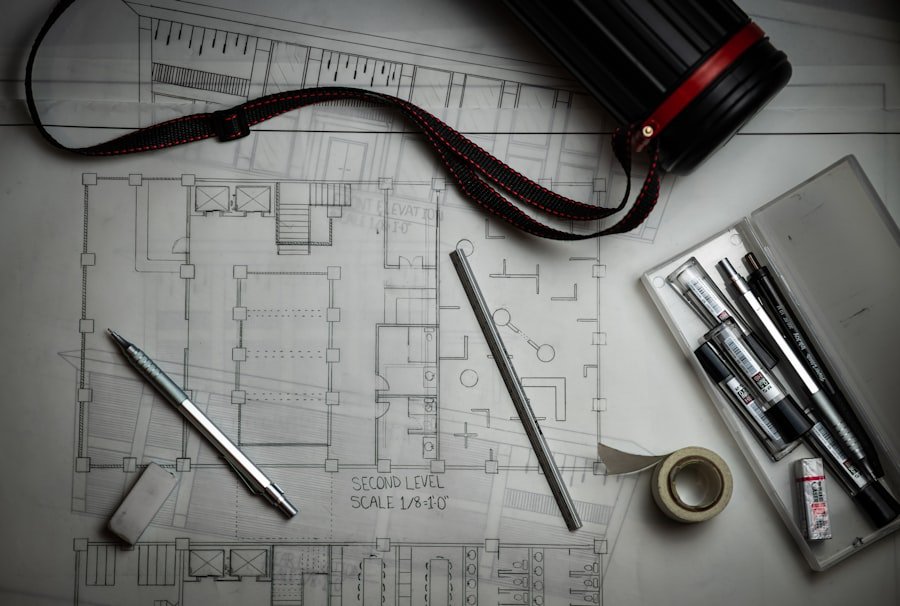
The structural integrity of a rental property is paramount to its safety and longevity. During an exterior inspection, it is essential to examine the building’s foundation, walls, and roof for any signs of damage or deterioration. Cracks in the foundation or walls can indicate serious structural issues that require immediate attention.
Property managers should also check for signs of water damage, such as stains or mold growth, which can compromise the health of the building and its occupants. The roof is another critical component that warrants thorough inspection. Missing shingles, leaks, or sagging areas can lead to significant problems if left unaddressed.
Regular roof inspections can help identify potential issues before they escalate into costly repairs. By ensuring that the building structure and roof are in good condition, landlords can provide tenants with peace of mind knowing that their home is safe and secure. A well-maintained property not only attracts tenants but also retains its value over time.
Interior Inspection: Walls, Floors, and Ceilings
| Area | Measurement | Criteria |
|---|---|---|
| Walls | Surface area | Check for cracks, peeling paint, or water damage |
| Floors | Material type | Inspect for scratches, stains, or uneven surfaces |
| Ceilings | Height | Look for water stains, cracks, or signs of leaks |
Once the exterior has been thoroughly inspected, attention should turn to the interior of the property. The condition of walls, floors, and ceilings plays a significant role in creating a comfortable living environment for tenants. During an interior inspection, property managers should look for signs of wear and tear, such as scuff marks on walls or scratches on floors.
These minor imperfections may seem trivial but can accumulate over time and impact the overall appeal of the property. Additionally, it is essential to check for any signs of water damage or mold growth on walls and ceilings. These issues not only pose health risks to tenants but can also lead to more extensive damage if not addressed promptly.
Ensuring that walls are freshly painted, floors are clean and well-maintained, and ceilings are free from stains contributes to a positive living experience for tenants. A well-kept interior reflects positively on the landlord’s management practices and encourages tenant retention.
Interior Inspection: Plumbing and Electrical Systems
The functionality of plumbing and electrical systems is critical to the comfort and safety of tenants. During an interior inspection, property managers should thoroughly evaluate all plumbing fixtures, including sinks, toilets, and showers, for leaks or clogs. A small leak can quickly escalate into a significant problem if left unchecked, leading to water damage and increased utility bills.
Ensuring that all plumbing systems are in good working order not only enhances tenant satisfaction but also protects the property’s value. Similarly, electrical systems must be inspected for safety and functionality. Property managers should check outlets, switches, and light fixtures for any signs of wear or malfunction.
Faulty wiring or outdated electrical systems can pose serious safety hazards and should be addressed immediately. By prioritizing the maintenance of plumbing and electrical systems during inspections, landlords can provide tenants with a safe living environment while safeguarding their investment.
Kitchen Inspection: Appliances and Fixtures
The kitchen is often considered the heart of a home, making it essential to ensure that it is in excellent condition during inspections. Property managers should evaluate all kitchen appliances, including refrigerators, ovens, dishwashers, and microwaves, for functionality and cleanliness. Any malfunctioning appliances should be repaired or replaced promptly to maintain tenant satisfaction.
In addition to appliances, kitchen fixtures such as sinks and countertops should be inspected for damage or wear. Cracked countertops or leaking faucets can detract from the kitchen’s appeal and functionality. A well-maintained kitchen not only enhances the overall aesthetic of the property but also contributes to tenant retention.
By investing in quality appliances and fixtures, landlords can create a desirable living space that attracts quality tenants.
Bathroom Inspection: Fixtures and Ventilation
Bathrooms are another critical area that requires thorough inspection during rental assessments. Property managers should check all bathroom fixtures, including sinks, toilets, showers, and bathtubs, for functionality and cleanliness. Any signs of leaks or damage should be addressed immediately to prevent further issues down the line.
Ventilation is also an essential aspect of bathroom inspections. Proper ventilation helps prevent mold growth and maintains air quality within the space. Property managers should ensure that exhaust fans are functioning correctly and that windows open easily for natural ventilation.
A clean and well-maintained bathroom not only enhances tenant satisfaction but also contributes to the overall value of the property.
Bedroom Inspection: Windows, Doors, and Closets
Bedrooms are personal spaces where tenants spend a significant amount of time; therefore, their condition is crucial for tenant comfort. During inspections, property managers should evaluate windows for functionality and security. Windows should open easily without obstruction and close securely to ensure safety from intruders.
Doors should also be inspected for proper operation; they should open and close smoothly without sticking or squeaking. Additionally, closets should be checked for adequate storage space and organization features such as shelves or rods. A well-maintained bedroom contributes to tenant satisfaction and encourages long-term occupancy.
Living Room and Dining Area Inspection: Lighting and Ventilation
The living room and dining area are central spaces where tenants gather with family and friends; thus, their condition significantly impacts tenant satisfaction. During inspections, property managers should assess lighting fixtures for functionality and aesthetics. Adequate lighting creates a warm atmosphere while enhancing the overall appeal of these spaces.
Ventilation is equally important in living areas; property managers should ensure that windows open easily for fresh air circulation. A well-ventilated space contributes to tenant comfort while preventing issues such as mold growth or stale air. By maintaining these common areas in excellent condition, landlords can create inviting environments that foster positive tenant experiences.
Safety and Security Inspection: Smoke Alarms and Locks
Safety should always be a top priority during rental inspections. Property managers must ensure that smoke alarms are installed in appropriate locations throughout the property and are functioning correctly. Regular testing of smoke alarms is essential to guarantee tenant safety in case of fire emergencies.
Additionally, locks on doors and windows should be inspected for security purposes. Property managers should ensure that all entry points are secure to protect tenants from potential intruders. By prioritizing safety measures during inspections, landlords demonstrate their commitment to tenant well-being while safeguarding their investment.
Conclusion and Importance of Regular Rental Inspections
In conclusion, regular rental inspections are an indispensable practice for property management that benefits both landlords and tenants alike. By utilizing a comprehensive checklist that covers all aspects of a property—from exterior landscaping to interior systems—property managers can identify maintenance issues early on while ensuring tenant satisfaction. These inspections not only help maintain the property’s value but also foster transparent communication between landlords and tenants regarding expectations for upkeep.
By prioritizing regular inspections as part of their management strategy, landlords can create safe, comfortable living environments that attract quality tenants while protecting their investments for years to come. Ultimately, regular rental inspections are not just about maintaining properties; they are about building lasting relationships based on trust and accountability between landlords and tenants.
If you are looking for a rental property in Perth, you may want to check out the article on Perth’s top 20 suburbs for property investment in 2024. This article provides valuable insights into the best areas to invest in real estate in Perth, which can be helpful when considering rental properties. Additionally, having a rental inspection checklist like the one provided by Smart Realty in their listing for Carson Court, Gosnells, WA 6110 can ensure that you are well-prepared when viewing potential rental properties.
See also: Exploring Rental Property Prices in Queens Park for practical next steps.
For more insights, check out our guide on Cannington Duplex for Sale: Your Perfect Investment Opportun.