
Quick Summary: Inner-suburb units and apartments offer Perth investors the strongest rental yield and lowest entry costs, while villas and townhouses provide a better balance of income, land value and capital growth. Duplexes and triplexes create several income streams under one title but carry higher costs and maintenance risk, while granny flats and rear studios can add income for owners with suitable spare space. Investors should calculate net yield after levies, land tax, insurance, maintenance and vacancies, then match the property to their budget and holding period.
Perth’s median unit sits around $600,000 while the median house costs $850,000, and that $250,000 gap is where first-time investors either build a cash flow machine or quietly run out of money by March. The property type you choose matters more than the suburb. We compared 2025-2026 data on yields, entry costs and days on market, then ranked seven types on dependable cash flow after costs, so you can match one to your budget.
Cash Flow Property Types At A Glance
| Property type | Best for | Typical gross yield | Entry cost | Key risk |
|---|---|---|---|---|
| Inner-suburb units and apartments | First-time investors chasing the strongest monthly return | Around 5.5 to 6.1 percent in many Perth suburbs | Low to mid, median unit price around $600,000 | Body corporate levies and slower capital growth |
| Villas and townhouses | Investors who want strong income and long-term capital growth together | Around 5.5 to 5.7 percent | Mid, typically $450,000 to $700,000 depending on suburb | Limited stock and rising competition for good addresses |
| Duplexes and triplexes | Experienced landlords who want multiple rents under one title | Around 5 to 5.5 percent on total rent | Mid to high, often $600,000 to $900,000 | Single-point-of-failure maintenance and a smaller buyer pool |
| Self-contained granny flats and rear studios | Owner-occupiers turning spare space into a second income | Around 4 to 5 percent on the full property value | Low if you already own the house | Privacy issues, planning rules and tenant disputes |
What To Know About Cash Flow Property In Perth
Cash flow is simply what comes in minus what goes out. In Perth, the biggest swing factor is property type, not suburb.
Units currently out-yield houses by around 1.3 percentage points. Villas sit at about 5.7 percent and home units at 5.5 percent for the year to December 2025. Apartments deliver the highest yield but the slowest capital growth.
Getting the type right matters as much as getting the tenant management right. That second part is where most Perth investors quietly lose their expected income.
1. Inner-suburb units and apartments
The highest gross yields in Perth come with the lowest entry price attached to them. A two-bedroom apartment in a well-connected inner or middle-ring suburb is the classic cash flow starter, and units currently out-yield houses by around 1.3 percentage points. That makes the units versus houses question easy: for rental yield in Perth, units win.

Highlights
- Highest gross yield per dollar of any property type in Perth right now
- Entry price around the $600,000 median keeps serviceability simple
- Fast leasing in suburbs with genuine rental depth, which keeps vacancy gaps short
- Land tax and body corporate costs are predictable and easy to model, especially if you’re building a cash flow focused portfolio
Specs
- Best for: First-time investors chasing the strongest monthly return
- Typical gross yield: Around 5.5 to 6.1 percent in many Perth suburbs
- Entry cost: Low to mid, median unit price around $600,000
- Key risk: Body corporate levies and slower capital growth
Pros
- Lowest entry price of any listed type
- Quick to lease, so vacancy gaps stay short
- Simple to run with no yard or maintenance drama
Cons
- Slowest capital growth of the unit family
- Body corporate special levies can catch you off guard
Apartments win on pure cash flow efficiency: they deliver the smallest gap between rent and holding costs and let a first-time investor enter without stretching, trading away capital growth for dependable monthly income.
Last updated: November 14, 2026
2. Villas and townhouses
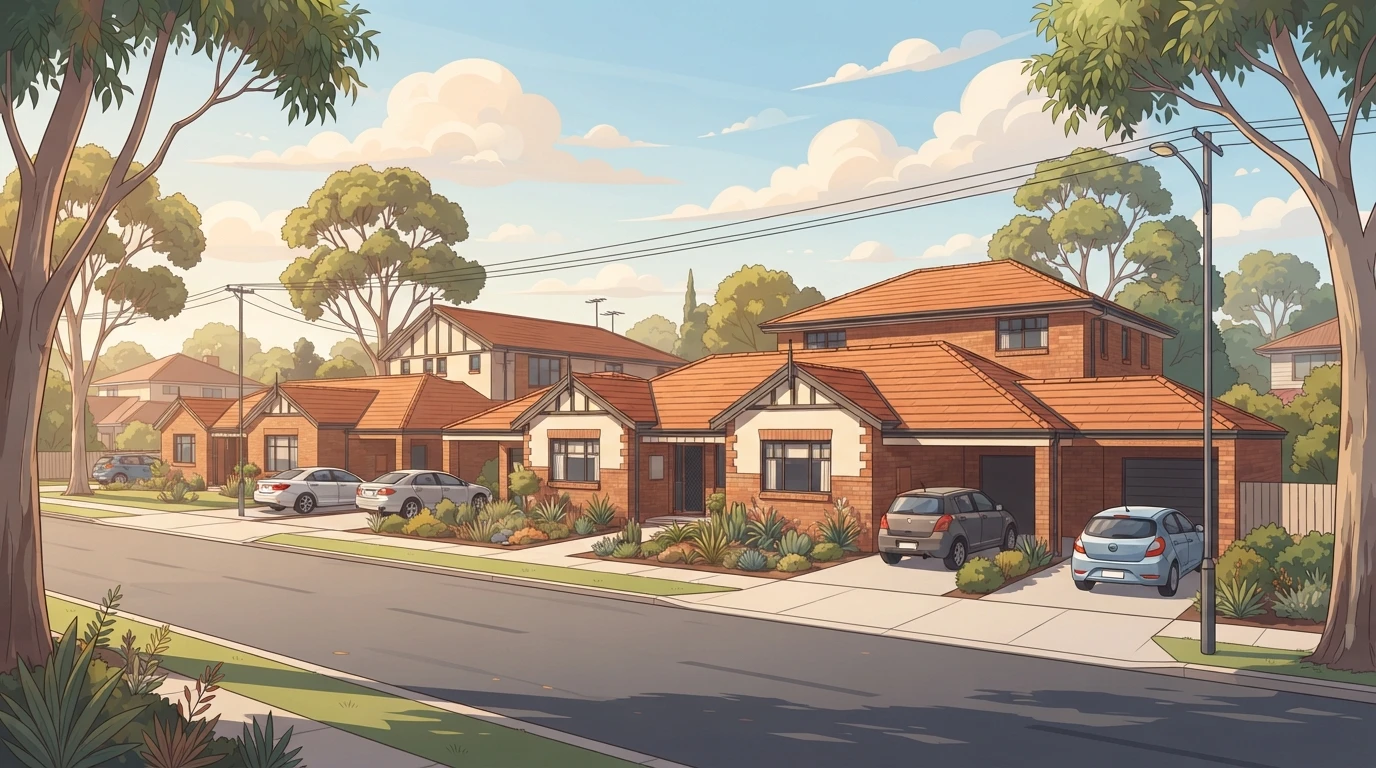
Villas and townhouses are the sweet spot most Perth investors miss. Villas delivered a 5.7 percent rental yield and home units 5.5 percent in the year to December 2025, the two strongest performers in the unit market, and villas also recorded the strongest five-year capital growth at 87 percent, according to REIWA’s unit-type breakdown.
Highlights
- Top unit-type rental yields at 5.7 percent for villas and 5.5 percent for home units
- Median weekly rents of $675 for villas and $580 for home units, up 8.9 and 11.5 percent
- Home units grew 21.1 percent in median price over the year to January 2026
- Land value is retained, so you are not simply buying a depreciating box
Specs
- Best for: Investors who want strong income and long-term capital growth together
- Typical gross yield: Around 5.5 to 5.7 percent
- Entry cost: Mid, typically $450,000 to $700,000 depending on suburb
- Key risk: Limited stock and rising competition for good addresses
Pros
- Best balance of yield, rent growth and resale value
- The land component protects against unit-level depreciation
- Popular with families and downsizers, which keeps demand broad
Cons
- Good listings are rare and move fast
- Higher price tag than a standard apartment
These homes earn a genuine 3 to 4 percent net yield after costs while still holding land value, so cash flow and exit strategy reinforce each other. To see which areas fit, our guide to Perth investment suburbs with strong capital growth is a useful starting point.
Last updated: November 14, 2026
3. Duplexes and triplexes
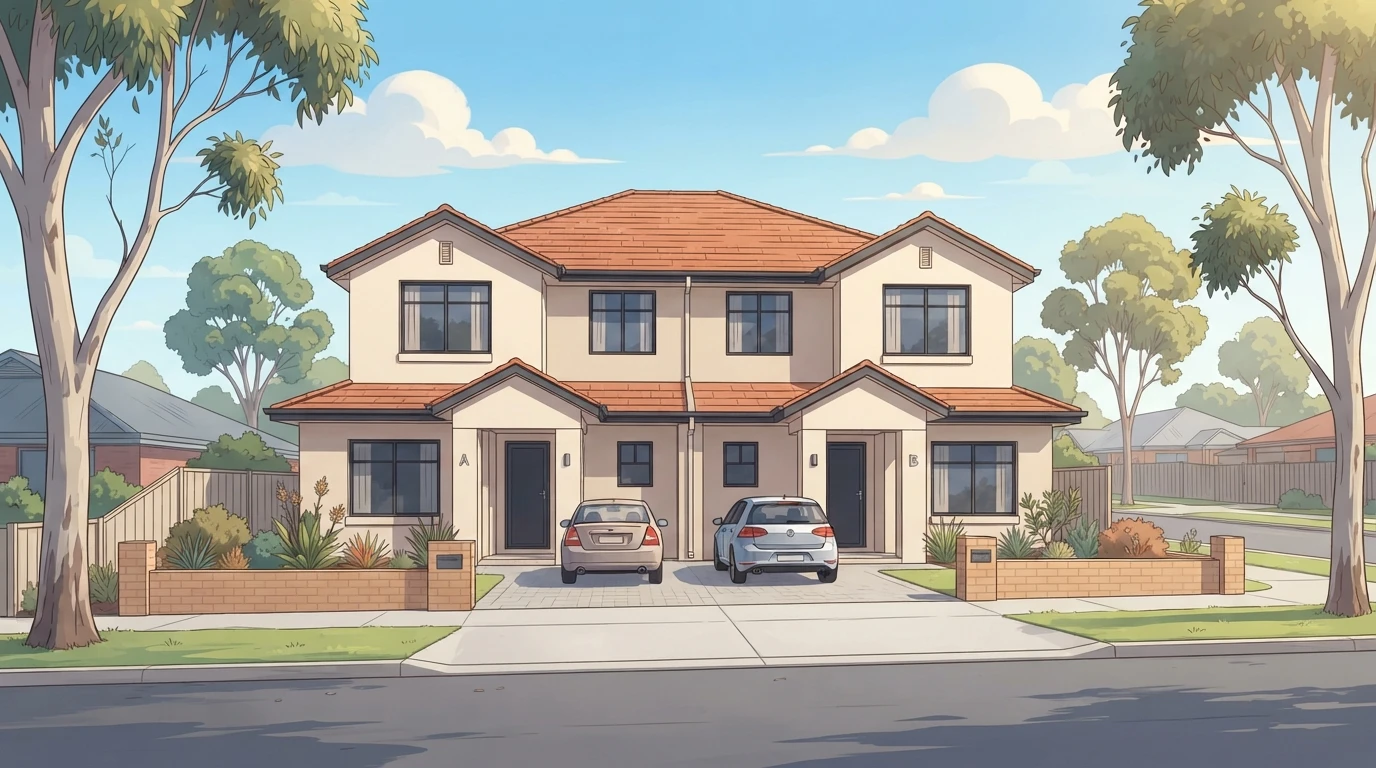
A duplex or triplex gives you two or three rental incomes under one roof, from one set of costs. You spread land tax, insurance and management across every rent, which lifts net cash flow without buying multiple titles. Perth’s rental shortage means they lease fast, and owning the whole building keeps maintenance control in your hands.
Highlights
- Multiple tenants under one property title
- Holding costs spread across two or three rents
- Land tax and insurance work harder against the income
- Owner control over maintenance and tenant quality
Specs
- Best for: Experienced landlords who want multiple rents under one title
- Typical gross yield: Around 5 to 5.5 percent on total rent, in line with Perth’s strongest-in-Australia yields
- Entry cost: Mid to high, often $600,000 to $900,000
- Key risk: Single-point-of-failure maintenance and a smaller buyer pool
Pros
- Several income streams from one purchase
- Fixed costs diluted across more tenants
- No body corporate surprises
Cons
- Higher purchase price per property
- One major repair affects the whole income
Duplexes sit just behind villas because the income maths is strong but entry costs run higher and the buyer pool is narrower. Where a building has been kept genuinely well maintained, the numbers are hard to argue with.
Last updated: November 14, 2026
4. Self-contained granny flats and rear studios
A rear dwelling can add a second rent to a house you already own, roughly doubling the income from that title. For many Perth households it fits naturally: family in the main house, tenant in the self-contained space behind.

Highlights
- Adds meaningful granny flat rental income without a second purchase or loan
- Can turn a break-even or slightly negative holding cost into positive rental income
- Lands well in suburbs with students, couples and shift workers
- Uses land and services you are already paying for
Specs
- Best for: Owner-occupiers turning spare space into a second income
- Typical gross yield: Around 4 to 5 percent on the full property value
- Entry cost: Low if you already own the house
- Key risk: Privacy issues, planning rules and tenant disputes
Pros
- Big income lift with no extra purchase
- Shallow market entry for new landlords
- Often supported by strong local tenant demand
Cons
- Needs a proper written agreement and privacy separation
- Not every rear space is legally or practically leasable
It ranks fourth because the upside is real but depends on layout, privacy and council rules that vary street to street.
Last updated: November 14, 2026
Honourable Mentions
These three missed the top four, but each can be the smartest buy on the right street at the right price. A local agent who walks those streets weekly helps you tell the difference.
- Outer-growth-corridor houses – Places like Thornlie, Baldivis and Alkimos draw new families, so rent demand keeps climbing. Just watch supply and commute times.
- Character homes near the CBD – West Perth and Guildford originals hold land value and rent steadily, if you can handle heritage rules and upkeep.
- New-build houses on land estates – Low maintenance and easy to let on a fixed lease, though they lack character and resale premiums build slowly.
How To Choose The Right Cash Flow Property In Perth
To calculate rental cash flow before buying:
- Start with weekly rent times 52.
- Subtract body corporate, land tax, insurance, maintenance and a vacancy allowance of two to four weeks.
- Divide the result by the purchase price. That percentage is your net yield, and it is the only number that matters.
Then match the property to your holding period and tenant profile. Units suit cash flow now; villas suit income plus land value.
Ask what happens when a tenant stops paying. Every lease should comply with the Residential Tenancy Act 1987, and Smart Realty manages leasing and maintenance in-house, so small issues never become lost rent.

Ready to pick your Perth cash flow property? Talk to Smart Realty for honest, local guidance, or visit Smart Realty today.
Frequently Asked Questions
Q1: Best investment properties in Perth?
For cash flow, the top picks are: 1) inner-suburb units, 2) villas and townhouses, 3) duplexes, 4) granny flats. Units out-yield houses by roughly 1.3 percentage points.
Q2: How do I calculate net rental yield?
Multiply weekly rent by 52, subtract costs and a vacancy allowance, then divide by the purchase price.
Q3: What laws protect Perth landlords and tenants?
The Residential Tenancy Act 1987. Every lease must comply with it, so confirm your manager handles this properly.