
Scarborough coastal living has changed shape over the past decade. The suburb that once meant fibro beach shacks and a quiet strip of sand now holds apartment towers, a rebuilt foreshore and a steady flow of cafes that stay open past breakfast. The beach is still the anchor, but the surrounding streets have become busier, more polished and more expensive.
That shift matters if you are buying. Scarborough sits on Perth’s northern coast, close enough to the city for a daily commute and far enough out to keep the ocean at the end of the street. It attracts a wide spread of buyers, which is exactly why the housing stock and the price points vary so much from block to block.
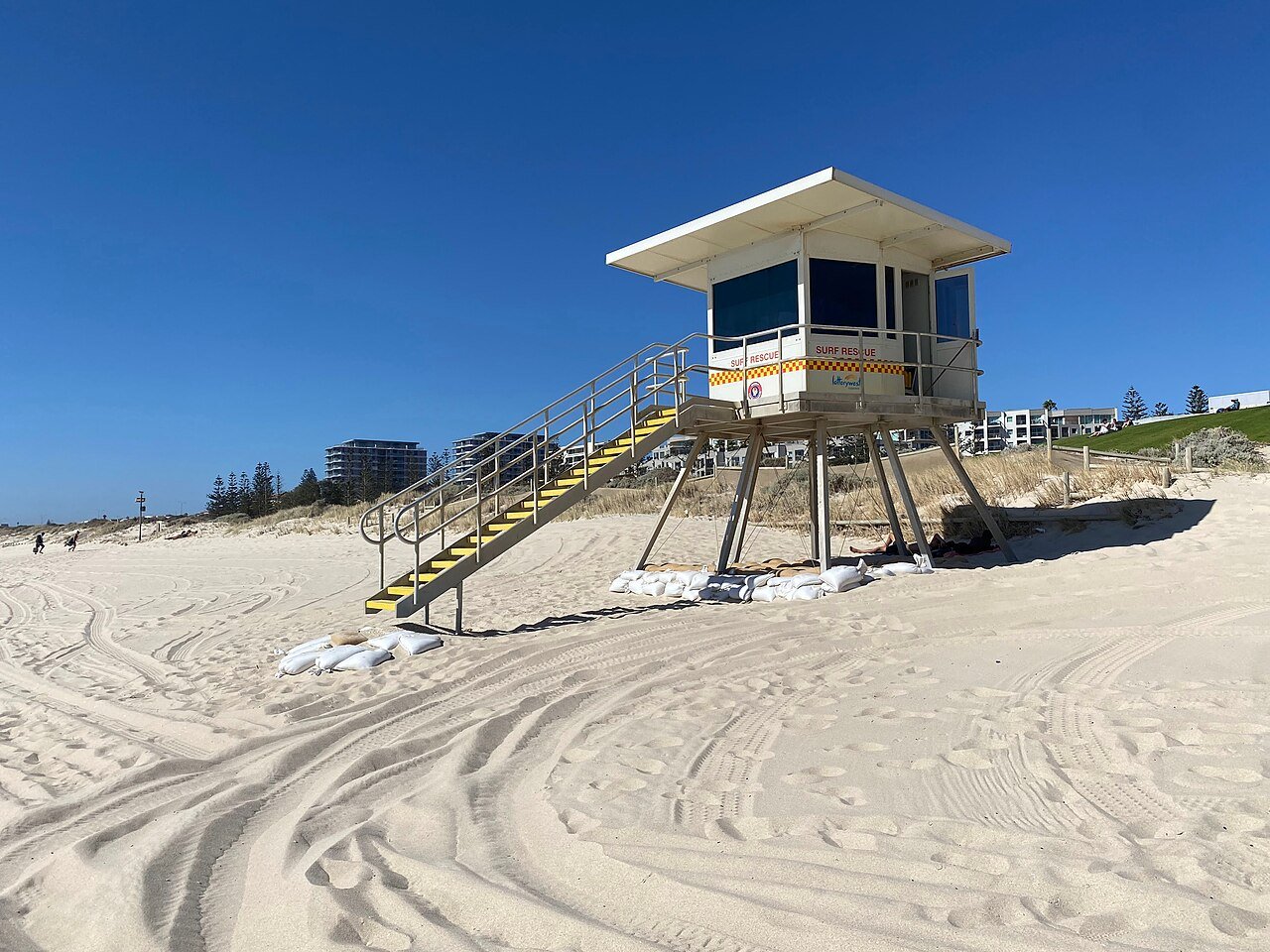
What Scarborough coastal living looks like day to day
Mornings here start early. Swimmers and surfers are in the water before seven, the coastal path fills with runners, and the cafes along the Esplanade do their first trade before the school run. By nine the beachfront quiets down and the suburb settles into an ordinary Tuesday.
The afternoon reverses the pattern. The sea breeze arrives reliably, which cools the beach but also means the outdoor table you paid a premium for may go unused on gusty days. Locals learn to plan around it rather than fight it.
Practical amenities sit close by. The Scarborough Beach Road strip covers groceries, casual dining and services, and the wider Stirling area provides the larger shopping centres. Public transport along Scarborough Beach Road connects toward the city and the Glendalough rail interchange, which many residents use for the final leg of a commute.
Housing is a mix rather than a type. You will find older brick and tile homes on full blocks a few streets back, townhouse developments filling in the gaps, and a substantial supply of apartments close to the water. Each comes with a very different set of ongoing costs, and that is where buyers get caught out.
The trade-offs worth knowing before you commit
Coastal suburbs carry costs that do not appear in the listing photos. Work through these before you make an offer:
- Salt exposure on roofs, gutters, window frames and air conditioning units, which shortens maintenance cycles.
- Parking pressure near the beachfront, especially on weekends and during the summer months.
- Noise from the coastal strip at night, which is a real factor for homes within a few streets of the Esplanade.
- Strata levies on apartments, and what those levies actually cover in a salt-air environment.
- Insurance premiums that reflect coastal exposure, which vary considerably between properties.
It also pays to understand what a coastal planning framework means for your block. Setbacks, height limits and foreshore reserve boundaries can constrain future additions, and buyers who plan an extension sometimes discover the constraint after settlement. Our guide to Warnbro coastal living covers similar coastal checks in the southern corridor.
Who settles in well and who does not
People who use the beach daily get the most out of living here. So do downsizers moving from larger northern suburbs into lower-maintenance apartments, and investors who understand that coastal rentals attract a particular tenant profile.
Buyers who need absolute quiet, generous yard space or a straightforward driveway will usually be happier a few streets inland or in a neighbouring suburb such as Marmion, where the block sizes are larger and the pace is slower.
Rental demand in the coastal strip stays strong through most of the year, which is why investors keep returning to it. The trade-off is that the same demand pushes purchase prices up, and the yield arithmetic on a beachfront apartment often looks weaker than the headline rent suggests. Run the numbers on the specific building, not the suburb.
If Scarborough coastal living is on your shortlist, Smart Realty can help you weigh up the specific streets rather than the suburb average. When the time comes to sell, we offer free appraisals at competitive rates.