
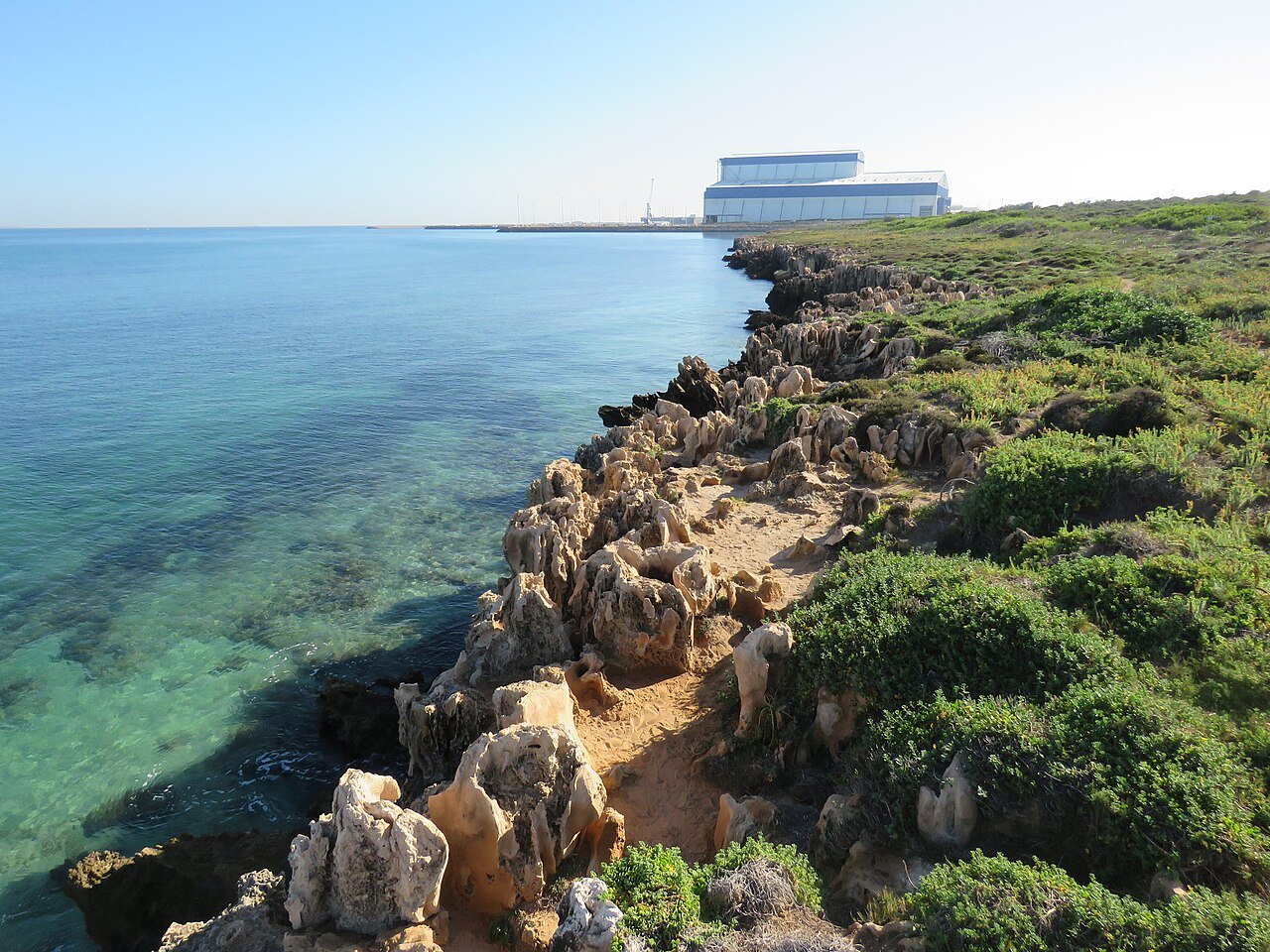
Beeliar family living is built around space. The suburb sits in Perth’s southern corridor, a short drive from the coast and close to the freeway, and it has become a steady choice for households trading a smaller inner block for room to move.
The lakes and the reserves
The Beeliar wetlands give the area a character that surrounding suburbs lack. Walking trails, birdlife and open water sit within the residential grid rather than at its edge, and the reserve network connects through to the wider regional park system.
For families, this means an afternoon walk does not require a drive. That is a small detail with a large effect on daily life.
Beeliar family living: housing and block size
Most homes here are modern, with the bulk of development occurring from the 1990s onward. Buyers find four bedroom family homes on blocks that remain generous by current standards, plus a growing number of townhouse developments closer to the main roads.
The difference between a 500 square metre block and a 700 square metre block is a garden, a trampoline and room for a shed. Beeliar still offers the latter in many streets.
The commute
Beeliar connects to the Kwinana Freeway via Beeliar Drive and the wider southern network. The drive to the CBD is straightforward outside peak periods, and the trip lengthens considerably during the morning rush.
Public transport is bus-based in the suburb itself, with rail access at Cockburn Central. Many households drive to the station and park, which works well if you start early enough.
Schools and shopping
Local primary schools serve the suburb, and secondary options sit nearby in the surrounding corridor. Families should confirm catchments directly rather than assuming from a map.
Everyday shopping is covered locally, with larger retail at Cockburn Gateway and Success. The proximity of these centres is one reason the area suits busy households.
What to check before buying
- Drainage and soil conditions near the wetlands, which vary across the suburb.
- Block orientation for afternoon sun and the sea breeze.
- Distance to the school you would actually use, and the walkability of that route.
- Age of roofing, cooling and hot water systems.
- Development approvals on nearby vacant land.
The honest view
Beeliar is car-dependent by design. It is not a suburb for people who want to walk to a café strip or catch a tram at the corner. It is, however, a place where families get space, reserves and modern housing at a price that inner suburbs no longer offer.
What is the housing stock like in practice?
Beeliar’s homes were largely built across two decades, which means buyers encounter a genuine range. Earlier streets carry four bedroom homes on blocks of 600 square metres or more, while later development tightened the lots and introduced more townhouses.
The practical difference shows up in daily life. A larger block allows for a pool, a shed, a vegetable garden or simply space between neighbours. A smaller courtyard block reduces maintenance but also reduces options.
When inspecting, look beyond the house. Check the setback, the width of the side access, and whether the rear boundary leaves room for the extension or shed you have in mind. These are the details that determine whether a property will still suit you in five years.
Settling into the area
Families arriving here tend to organise around the reserves and the schools. The wetlands network gives children somewhere to ride and explore, and local clubs provide the social structure that new estates often lack.
The trade-off is distance. Most errands require a car, and the walkable café culture of inner suburbs is genuinely absent. Households who accept that and value space in return settle in comfortably.
If you are looking for a home in Beeliar, Smart Realty can help you move with confidence. We can show you which streets give the best of the lakes and which sit closer to the traffic corridors. If a sale is part of your plan, we offer free appraisals at competitive rates.