
Perth block size gets discussed as a number on a listing, then forgotten. That is a mistake, because in this city the land under the house does most of the long-term work on value, and the number tells you what is possible later.
Perth has traditionally been a city of generous blocks. That inheritance is why so many suburbs still offer backyards at a price that would buy an apartment interstate. It is also why the difference between a 350 square metre lot and a 700 square metre lot is not cosmetic.
What Perth block size actually controls
Start with lifestyle. A larger block gives you space for a pool, a shed, a veggie patch, a trampoline and a dog that needs to run. It also gives you more garden to maintain, more fence to repair and more reticulation to keep alive. Every extra square metre is a small ongoing obligation.
Then look at what the planning framework allows. Zoning and the local planning scheme determine whether you could build a granny flat, subdivide, or put a second dwelling at the rear. Two blocks of identical size can carry completely different potential depending on the code that applies, so the number alone is not the answer.
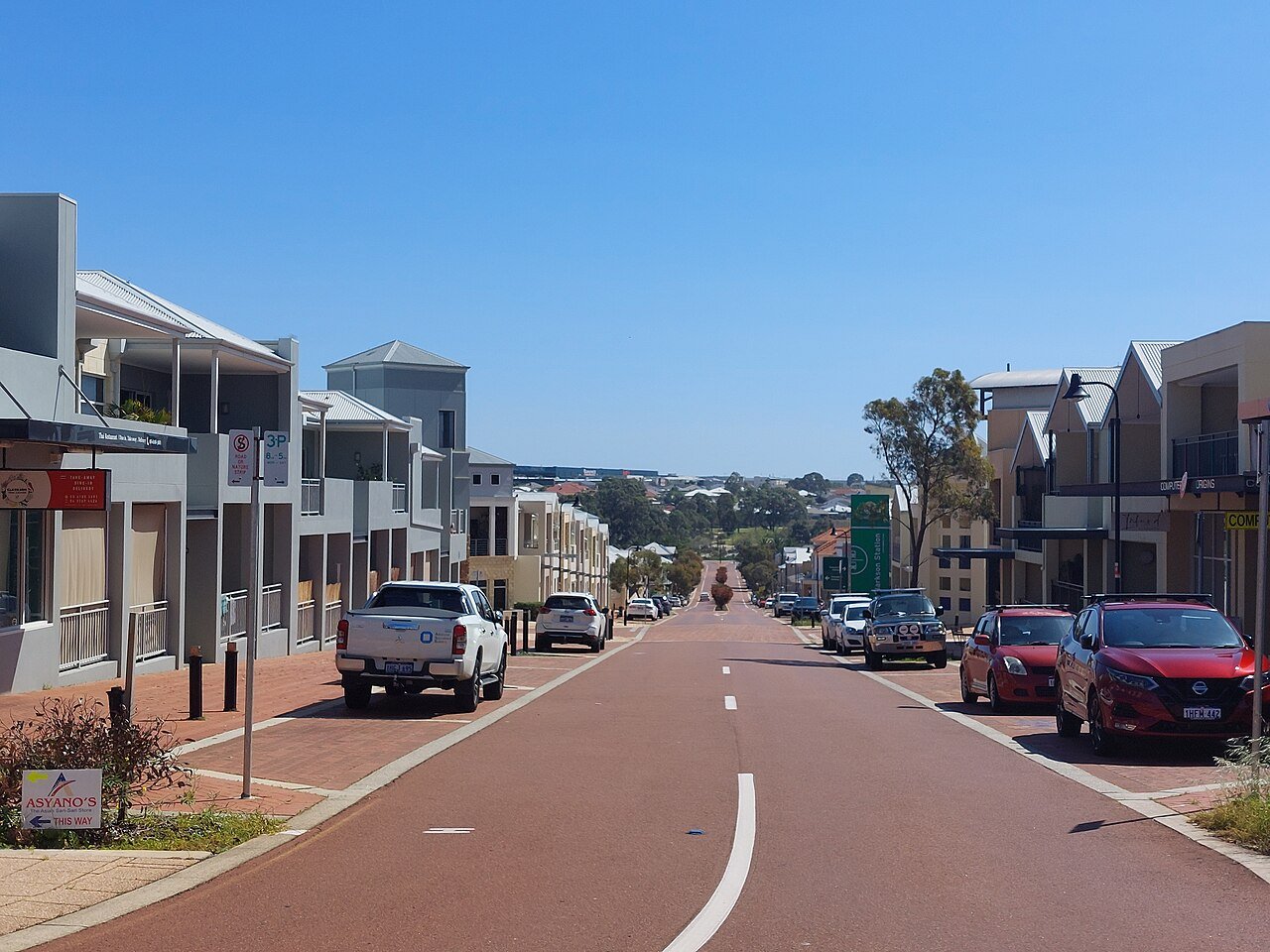
Finally, consider the streetscape. A street of consistent, large lots behaves differently from one where the bigger blocks have already been split. Buying the last unsubdivided lot on a street is a different proposition to buying one of many.
How to read a block on inspection
- Shape, not just area. A wide frontage suits a different renovation than a deep, narrow lot.
- Orientation, because a north-facing backyard is worth more to most families than extra area facing the wrong way.
- Slope and drainage, which affect what can be built and what it costs.
- Easements and services running across the block, which can rule out extensions or subdivision.
- Street frontage width, which constrains driveway access and future dwelling design.
The easement point catches people. A sewer line through the middle of a backyard can prevent the pool or the second dwelling that the block size appeared to promise.
The subdivision question
Subdivision is the reason many buyers pay a premium for large lots, and it is also where the assumptions go wrong. Approval depends on minimum lot sizes, frontage requirements, access and servicing, and the costs are substantial. Our guide to Perth subdivision costs sets out what the process involves before you treat potential as profit.
If subdivision is the plan, confirm the zoning with the local council before you buy rather than after. A verbal indication from an agent is not a planning approval.
Small blocks and the trade
Smaller lots are not automatically worse. They suit buyers who want a low-maintenance life, and well-designed homes on compact blocks can be excellent value in established suburbs close to amenity. The trade is flexibility: fewer options to extend, and often less storage.
Where small blocks go wrong is when the home was built to a standard that assumed more land. A four-bedroom house with no garden and no parking is a hard resale in most Perth suburbs.
Weighing land against position? Our guide to Perth apartment vs house covers the same trade in a different form, and our suburb checklist lists the checks worth doing before you commit.
Corner blocks deserve a separate note. They carry more street frontage, which helps with access and light, and they often suit a second dwelling better. The trade is more fencing, more verge and sometimes more traffic exposure. Buyers who value the development potential usually accept that; buyers who want quiet often do not.
Looking at properties where the land matters? Smart Realty can tell you what a specific block will and will not allow. If you are renting out a property you already own, ask for a free rental appraisal.