
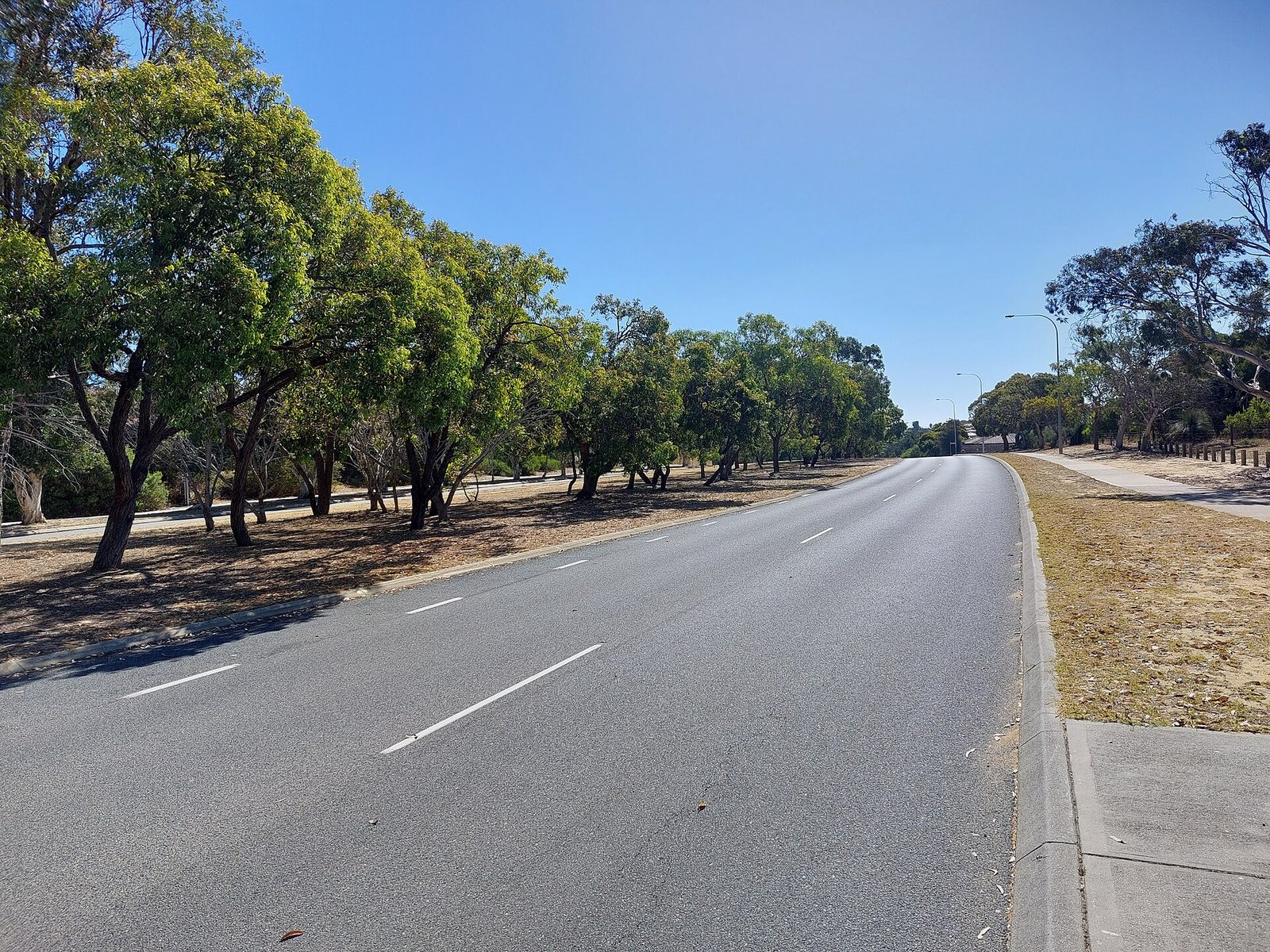
Duncraig family living has a straightforward reputation: good schools, generous blocks, quiet streets and a location that sits between the coast and the freeway without being on top of either.
The suburb sits in Perth’s northern corridor, bordered by Greenwood, Warwick and Carine. It developed largely through the 1970s and 1980s, which is why so many homes have the proportions families still want: four bedrooms, a second living area and a backyard with room for a pool.
Why Duncraig family living keeps its appeal
Schools are the main reason families move here, and they stay for the streets. The suburb has long been associated with strong public school options, and the private and Catholic schools in surrounding suburbs add choice within a short drive.
Housing is a good fit for growing households. Most homes have three or four bedrooms, with a family room separate from the main living area. Blocks are typically large enough for a pool, a lawn and a shed, which is increasingly hard to find in newer estates.
Day-to-day life is easy. Local shopping centres cover groceries and everyday needs, larger centres at Warwick and Whitfords handle the rest, and the coast is a short drive west. Parks and sporting reserves are well distributed, which means most streets have a play space within walking distance.
Commuting is manageable. The freeway is close, and the rail line at Warwick provides a park-and-ride option for CBD workers. Driving times vary by street, so test your actual route rather than relying on a map estimate.
What to check before you buy
Homes from this era are generally solid, but they are now old enough to need real maintenance.
- Roof condition, since the original tile roofs are reaching replacement age.
- Whether the home has been extended and if the work was approved.
- Pool compliance and safety barriers if a pool is included.
- Renovation quality, because a cosmetic refresh can hide dated wiring or plumbing.
- School catchment boundaries, which are a genuine value driver here.
It is also worth checking how much of the original layout remains. A home that has kept its structure and been updated carefully often holds value better than one that has been chopped into extra rooms.
Who fits here
Families with school-age children are the core market, particularly those who want space without moving further north. Buyers upgrading from a townhouse often find the step up manageable.
Downsizers sometimes stay in the suburb but move to a smaller home or a villa, since the location and amenities still suit them. Our Karrinyup shopping precinct guide covers the neighbouring lifestyle hub, and Quinns Rocks coastal living is useful if you are weighing the coast further north.
One practical test for families: drive the school run route at the time you would actually do it. Catchment areas look generous on a map, but morning traffic on the main feeder roads can add ten or fifteen minutes to a trip that seems short in theory.
Ask about the age of the surrounding homes rather than just the one you are buying. A street where most houses have been maintained and updated tends to hold value better than one with a mix of neglected properties, and the pattern is easy to see on a slow evening drive.
Look at the side access. A wide side driveway or rear access makes a real difference for families with a trailer, a boat or a caravan, and it is one of the quiet features that make an older suburb practical in ways newer estates often are not.
Looking for a family home in Duncraig? Smart Realty can tell you which streets and school catchments carry the strongest long-term demand. If you are holding your current home as a rental, ask for a free rental appraisal.