
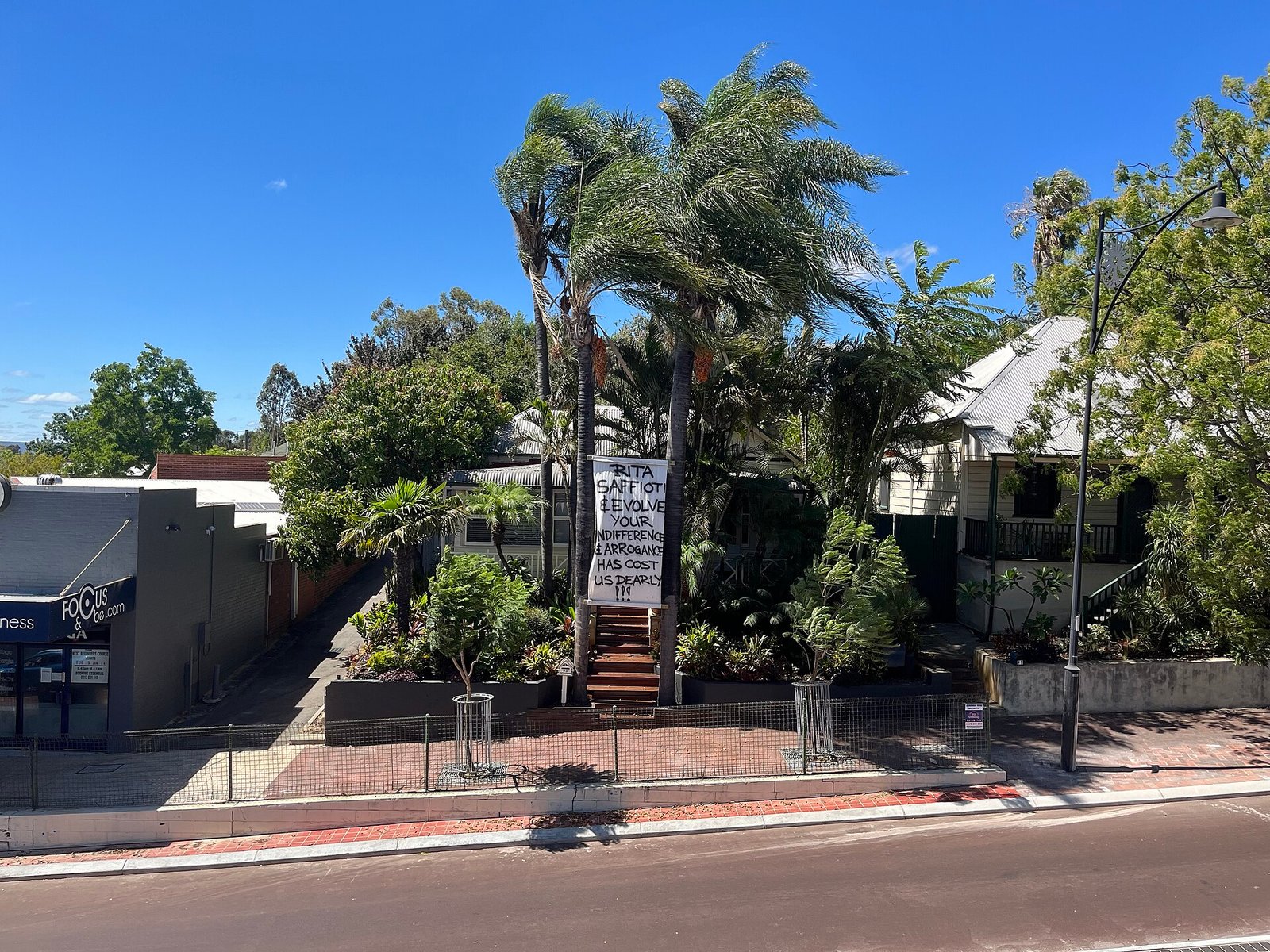
Bayswater character homes are a specific kind of purchase. These are the older houses with wide verandahs, high ceilings and jarrah floors, built when blocks were generous and houses were designed for cross-ventilation rather than air conditioning.
The suburb sits just north-east of the city along the Swan River, and its housing stock reflects a long history. Streets close to the river and around the older centre hold most of the character homes, while newer development fills in around them.
Why Bayswater character homes attract buyers
The appeal is partly aesthetic and partly practical. A well-kept character home gives you high ceilings, timber floors and rooms with real proportions, things that are expensive to replicate in a new build. Blocks are typically larger than modern subdivisions allow, which leaves room for gardens, sheds and extension.
Location does the rest. Bayswater is close to the CBD by train and road, with river reserves and parkland nearby. The café strip along the local centre has become a genuine destination, and the community feel is stronger than in many suburbs of similar distance.
Prices vary widely depending on condition. A renovated character home and an unrenovated one on the same street can sit far apart, which is why understanding what you are buying matters more here than in a uniform estate.
How to assess an older property
Character homes hide their problems well. Fresh paint covers rising damp, and a polished floor can disguise movement in the stumps. A thorough building inspection is essential rather than optional.
- Stumps and footings: check for movement, particularly on reactive clay soils.
- Roof and gutters: old tile and iron roofs are common and often near the end of their life.
- Wiring and plumbing: many homes still carry original or partially upgraded services.
- Heritage or local planning controls that affect what you can change.
- Extensions and outbuildings built without approval, which is surprisingly common.
It also pays to get a sense of what renovation would cost before you bid. A kitchen and bathroom refresh is manageable. Restumping, rewiring and re-roofing together are a different project entirely, and they should be priced into your offer.
Who this suits
Buyers who want a project with a clear payoff do well here. So do families who value space and proximity to the city over a brand-new finish.
Buyers who want a move-in-ready home with no maintenance list should look carefully at how much work a property genuinely needs, because charm and condition are not the same thing. Our Mount Lawley character homes guide covers a similar market with a different price point.
Budget for the unknowns. Older homes tend to reveal one more issue each time a tradesperson opens a wall, so a contingency of around ten per cent of your renovation budget is sensible. Buyers who plan for it cope well. Buyers who do not often stall halfway through the work and lose momentum.
Talk to the local council about what has already been approved on neighbouring properties. A well-executed extension next door can lift the street. Poorly managed development can do the opposite, and knowing the pipeline before you buy helps you judge the risk honestly.
Ask for the last few years of maintenance records if the owner has them. A home with a documented history of roof repairs, restumping or rewiring is far easier to assess than one where the work was done quietly by a previous owner.
Looking at an older home in Bayswater? Smart Realty can help you read condition honestly and price the work ahead. If you are planning to keep the property as a rental, start with a free rental appraisal.