
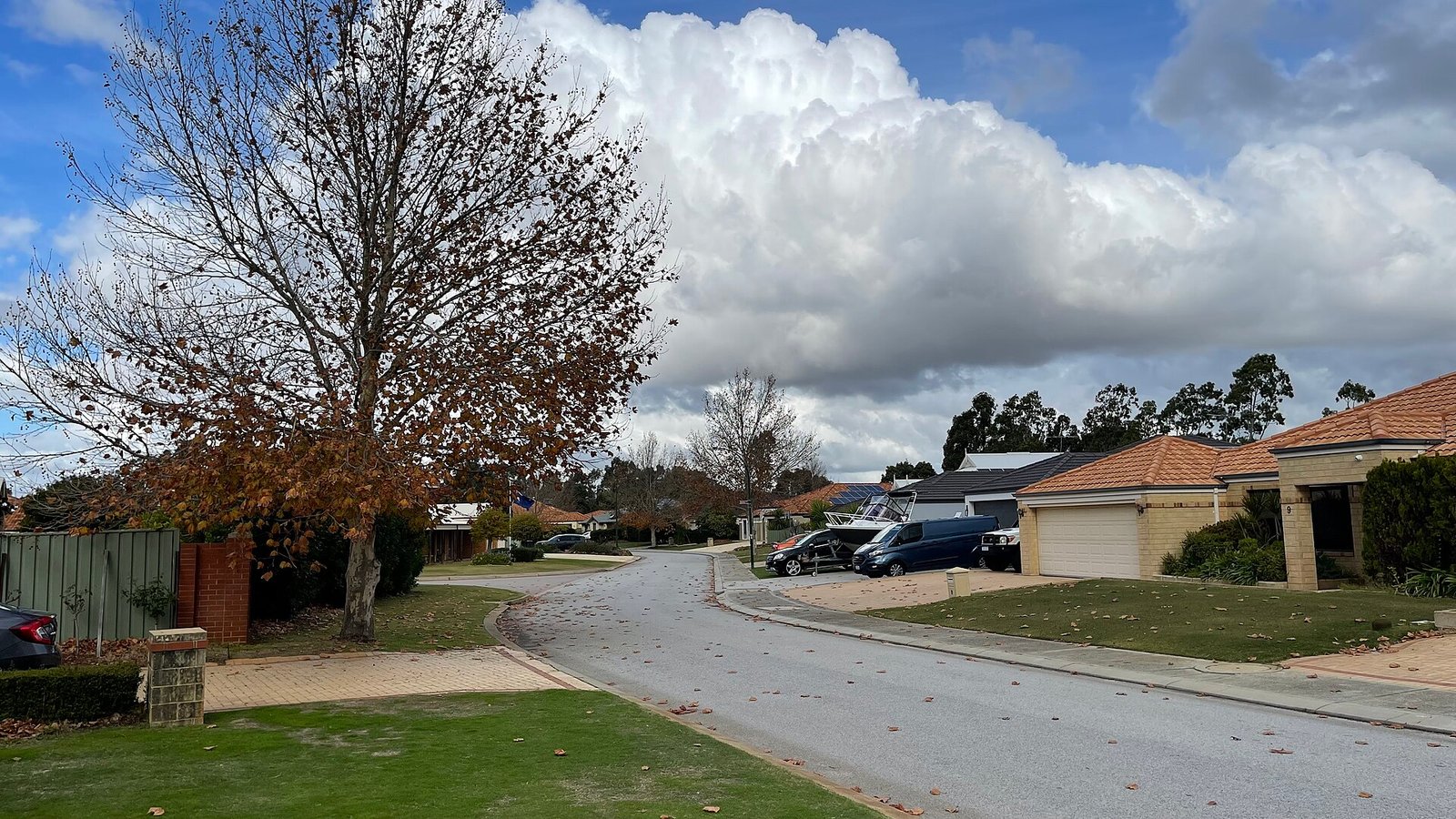
Southern River family living trades density for space. The suburb sits just south of Canning Vale, and its defining feature is block size: many homes here have gardens, sheds and room for a pool in a way that newer estates rarely allow.
That single fact shapes almost everything else about living here. Bigger blocks mean more maintenance, but they also mean established trees, quieter streets and a sense of permanence that planned estates often lack.
Why Southern River family living appeals to growing households
Families with teenagers tend to appreciate the room to spread out. A separate living area, a shed for projects and a backyard that can hold a basketball hoop or a pool all become possible at a price point that no longer buys the same space closer to the river.
Schools are within the suburb and nearby, with both public and private options a short drive away. Sporting grounds and the river reserves give weekends a natural shape, and the local shopping and dining options cover everyday needs without a trip to a major centre.
Commuting varies by street. Southern River Road and Ranford Road are the main arteries, connecting to the freeway network and to the Armadale line stations at Gosnells and Cannington. Anyone working in the CBD should test the drive at the time they would actually travel, because the corridor carries heavy morning traffic.
What to look at before you make an offer
Older, larger blocks come with older buildings. That is not a problem, but it does mean the inspection matters more than usual.
- Roof, plumbing and electrical condition, since these are the expensive fixes in established homes.
- Whether extensions or sheds were built with approval, which is common to overlook.
- Drainage across the block, particularly on the lower side of the street.
- Pool safety and compliance if a pool is included.
- Potential to subdivide, and what the local planning scheme actually allows on that block.
Subdivision potential is often oversold by sellers. Before you pay a premium for it, confirm the requirements with the local council rather than relying on what you were told at the home open.
Who should consider it
Families upgrading from a townhouse or smaller home are the natural fit. So are buyers who work locally or in the southern industrial and commercial corridors, where the commute is short and the space matters more than proximity to the city.
Buyers who want zero maintenance, or who commute to the CBD every day, often find themselves looking at newer, smaller-block options instead. Our Harrisdale family living guide covers that alternative in detail, and the Kelmscott village guide is useful if you are also weighing the hills side of the corridor.
Maintenance is the honest trade-off. A large block with established trees means gutters to clear, lawns to mow and gardens that need attention through summer. For some families that is a weekend hobby. For others it becomes a chore within a year, so be honest about which one you are before you commit to the space.
Check the age of the surrounding homes rather than only the one you are buying. A street with a consistent mix of well-kept houses tends to hold value better than one with a scattering of neglected properties, and that pattern is visible from a slow drive at dusk.
Insurance and rates are worth quoting early. Larger blocks and older homes often carry higher premiums than buyers expect, and the annual cost sits alongside the mortgage for as long as you own the property.
If you are weighing up a Southern River home, Smart Realty can help you separate genuine subdivision potential from sales talk. Thinking of leasing out your current place first? Ask for a free rental appraisal.