
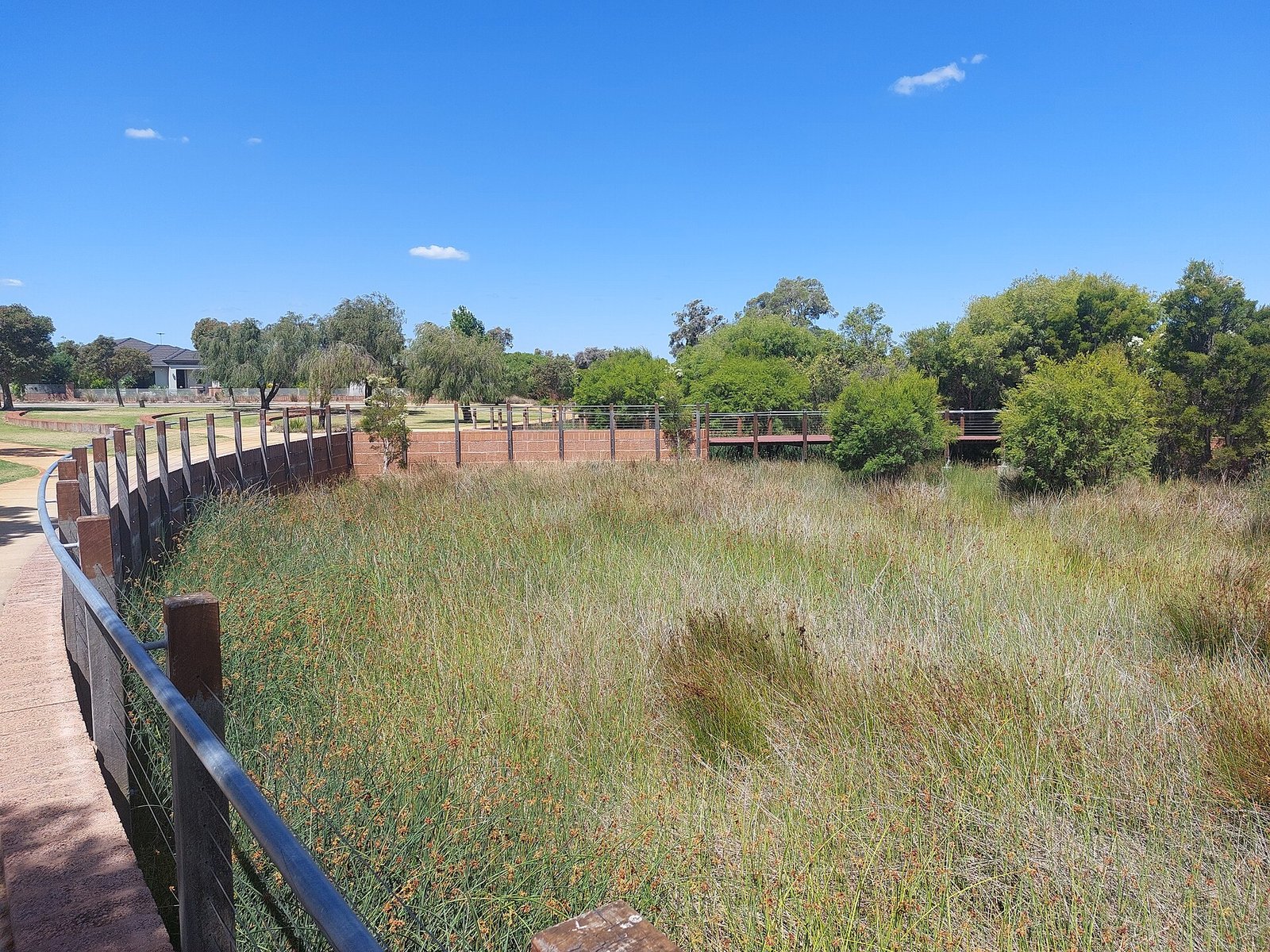
Harrisdale family living has become a genuine alternative to the better-known southern suburbs. Tucked between Canning Vale and Piara Waters, it offers newer housing, established parks and a layout that was planned with families in mind rather than retrofitted around them.
The suburb grew quickly through the 2010s, and that shows in the housing stock. Most homes are modern, low-maintenance and built on blocks that suit a family without demanding a full weekend of gardening.
What Harrisdale family living actually looks like day to day
Mornings are school runs and commutes. Harrisdale has its own primary and secondary schools, and neighbouring Canning Vale and Piara Waters add options, including private and specialist settings within a short drive.
Shopping is straightforward. The local shopping village covers groceries and everyday needs, while larger centres at Canning Vale and Armadale handle the rest. For families, that is usually the difference between a quick errand and a half-day outing.
Parks and play spaces are spread through the estate rather than concentrated in one spot, which means most streets have something within a few minutes’ walk. Sporting clubs and community facilities fill the weekends, and the local recreation areas are well used by junior teams.
Commuting is the one area where buyers should do their homework. The suburb does not have its own train station, so most residents drive to a nearby station or use bus connections. If you will be travelling to the CBD daily, time the drive at peak hour before you commit to a street.
The checks that matter before you buy
Newer suburbs have their own quirks. Work through these:
- Build quality of the boom-era homes, particularly waterproofing and roof detailing.
- Whether the block sits on fill or has drainage issues after heavy winter rain.
- Boundary and easement positions, since estate layouts sometimes place services awkwardly.
- Local development pipeline, because vacant land nearby may become housing in the next few years.
- School catchment boundaries, which can shift as enrolment pressure changes.
It also helps to understand how the surrounding suburbs compare. Our Baldivis family living guide and Byford growth guide both cover neighbouring corridors and what each one offers a family at different budgets.
Who thrives here
Young families buying their first or second home fit Harrisdale well. The combination of newer housing, established amenities and a quieter street feel appeals to people who want a manageable mortgage without a long renovation list.
Investors also look here because the rental pool is steady, driven by families who want to be near schools. Downsizers sometimes find the blocks larger than they want to maintain, so a townhouse or smaller home is often the better fit.
One practical point for families: visit on a school morning and again on a weekend. The morning shows you how the school run and commuter traffic actually behave, while the weekend shows you how busy the parks and shops get. Two short visits will teach you more than any amount of listing photography.
It is also worth asking neighbours about the estate’s maintenance arrangements. Some newer developments carry shared landscaping or community title obligations, and these appear as ongoing costs that are easy to miss during a single inspection. Ask for the last two years of statements if the property sits within a managed estate.
Public transport is worth a genuine look. Bus routes connect Harrisdale to the surrounding rail stations, and the frequency matters as much as the existence of a service. Check the timetable for the hours you would actually travel, especially if you work shifts or finish late.
Looking at a home in Harrisdale? Smart Realty knows the estates street by street and can tell you which blocks and builds hold up best. Owners weighing a move can start with a free rental appraisal.