
A Perth suburb checklist before buying saves money in a way that no negotiation can match. Most buyer regret does not come from the house. It comes from the street, the neighbour, the flight path or the zoning decision that nobody mentioned during the inspection.
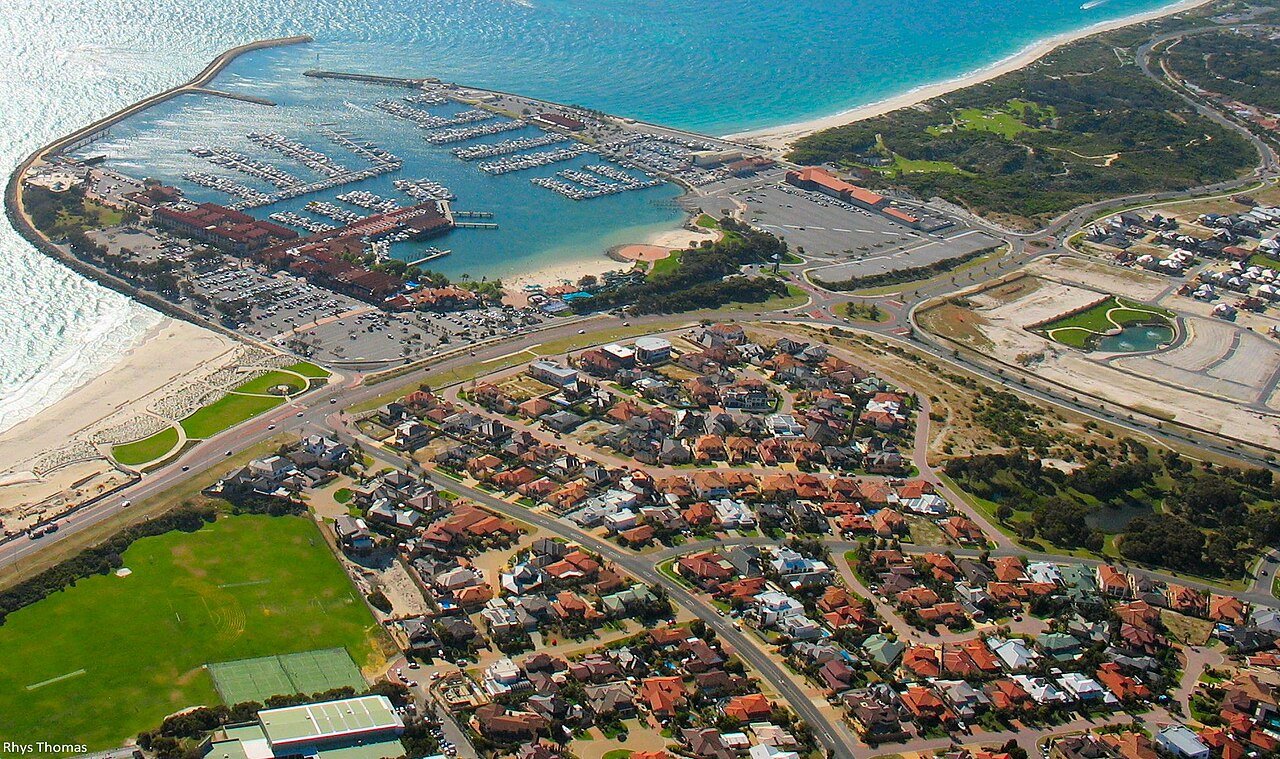
How to use a Perth suburb checklist before buying
Work through it twice: once from your desk, using council and government sources, and once on foot, at different times of day. The desk pass finds the facts. The site visit finds the things facts miss.
The checks that matter most
- Zoning and future plans. Check the local planning scheme and any structure plan covering the surrounding land. What is allowed next door matters more than what is there now.
- Noise. Visit at 7am, at 3pm and at 10pm. Rail, arterial roads, industrial estates and flight paths all behave differently across the day.
- School catchments. Confirm the intake area for the specific address, because boundaries shift as enrolments grow.
- Transport reality. Time the walk to the station or bus stop, then time the peak-hour trip. A suburb described as close to transport can still mean a twelve-minute walk in full sun.
- Flood and drainage. Ask the council about local flooding history, and look at where water would go on a sloping block.
- Street character. Count the rentals, the renovations and the neglected gardens. That mix predicts how the street will feel in five years.
- Powerlines and easements. Check the title and the survey plan, not just the fence line.
- Proposed developments. Search the council’s development applications for the immediate area. A single approval can change a quiet street.
- Shopping and services. Confirm the everyday errands are genuinely nearby, not theoretically nearby.
- Commute cost. Add fuel, parking and public transport to your household budget before you decide the mortgage is affordable.
- Resale signals. Note how long comparable homes in the street have taken to sell.
- The ten-minute walk. Walk ten minutes in every direction from the front gate and look at what you find.
What to do with the answers
Not every item will pass. The point is to know which compromises you are accepting and to price them in. A home beside a future development should cost less than an identical home two streets away, and if it does not, you have found your answer.
Bring the checklist to your inspection and to your building and pest report. A good inspector will tell you about the house; the checklist tells you about everything the inspector was not asked to look at.
The checks buyers skip
Two items are routinely forgotten. The first is the commute on a bad day. A drive that takes twenty minutes in light traffic can take forty-five when the freeway is busy, and that difference reshapes a household’s week. Test it on a wet Monday rather than a dry Saturday.
The second is the neighbour question. Knock on a door or two and ask what the street is like. People are usually happy to answer, and the answer tells you more about noise, parking and the local character than any data source can. It is an awkward five minutes that saves months of regret.
Finally, remember that the checklist protects you from overpaying, not from buying. Almost every home will fail something. The goal is to know what you are accepting, price it, and then proceed without second-guessing a decision you have already reasoned through.
Two useful companions: our house deposit guide for Perth covers the money side, and the free rental appraisal service explains what an appraisal actually involves.
If you are buying in Perth, Smart Realty can help you move with confidence and will run these checks with you before you make an offer. Selling? A free appraisal from Smart Realty will show you how your street compares.