
Tapping family living sits in a comfortable middle ground. The suburb is in the City of Wanneroo, close enough to Joondalup to borrow its amenities, established enough that the trees have grown, and priced between the older coastal suburbs and the newest estates pushing north.
The case for an established estate
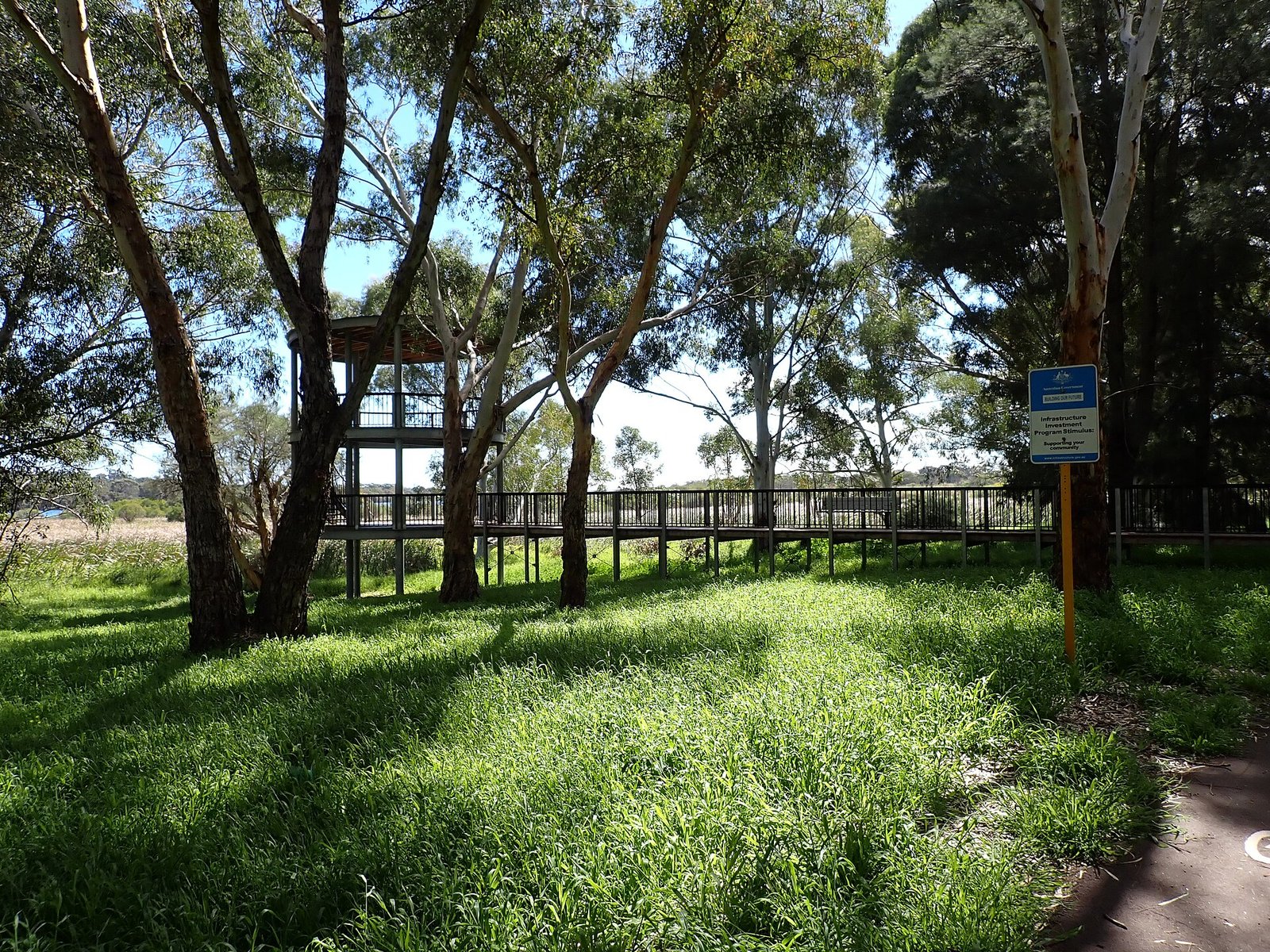
Buyers comparing Tapping with a new development usually notice the same three differences. The streets are finished, so there is no stage of construction next door. The gardens have matured, so the suburb has shade and privacy that a new estate takes a decade to produce. And the housing mix is settled, which makes it easier to judge what a street will look like in five years.
For families with younger children, that predictability is worth real money. You can see the neighbours, the school run and the afternoon noise before you commit.
What Tapping family living gives you day to day
Local primary schooling is within reach for most households, with secondary options across the northern corridor. Parks are close and used, and junior sport is part of the weekly routine for many families rather than an occasional outing.
Retail and recreation in Joondalup are a short drive, which covers the bigger shopping trips, medical appointments and the indoor activities that save a wet weekend.
Where newer estates still compete
- Floor plans. A new build often offers open-plan living and a butler’s pantry that a 1990s home does not.
- Energy performance. Newer homes tend to be cheaper to run, though the gap is smaller than marketing suggests.
- Warranty and finishes, which matter to buyers who would rather not renovate.
- Price per square metre on the far edge of the corridor.
The honest counterpoint is that a newer estate further north often means a longer commute and a wait for shops and schools. Tapping already has those, which is why its buyers tend to be trading up in life stage rather than chasing the lowest entry point.
How to decide
Start with the commute you can actually sustain, not the one you would tolerate for a year. Then decide whether your family’s next five years need a renovation project or a finished home. Tapping tends to suit the second group.
Check the specific street as well. Being on the edge of the suburb next to a main road changes the experience more than any estate-level comparison will tell you.
The renovation question
Many homes in Tapping are now old enough to need the first serious round of updates: kitchens, bathrooms, flooring and outdoor entertaining areas. That creates a fork in the road for buyers. You can pay for a renod home and inherit someone else’s choices, or buy an original and spend your own money on the finishes you actually want.
There is no universal right answer, but there is a rule worth applying. Price the renovation from a quote, not from an estimate built on television budgets, and add a contingency of at least fifteen per cent. If the finished number still leaves the property competitive against renovated homes on the same street, the project is worth considering.
Who is buying on your street
Tapping has a relatively settled population, and that shows in the way streets are maintained. Buyers moving in are often families in their second or third purchase, trading up for space or a better school position rather than entering the market for the first time.
That has two implications worth knowing. Resale competition is against well-presented homes rather than distressed ones, so presentation matters. And neighbourhood turnover is slower, which means the people you meet on moving day are likely to still be there in a decade, for better or for worse.
Buyers comparing estates often find our Butler family living guide useful for contrast, and the Clarkson family living guide covers a nearby suburb with a station within walking distance.
If you are looking for a home in Tapping, Smart Realty can help you move with confidence and will tell you plainly which streets suit your budget. Selling? Smart Realty offers free appraisals at competitive rates.