
Quick Summary: Coordinate rental repairs by triaging urgency, booking a qualified trade, confirming access in writing, and verifying the finished work before paying. In WA, urgent issues like water or power failures need action within 24 hours, while other hazards have 48 hours. Keep detailed records of quotes, photos, and invoices to prevent repeat problems. Smart Realty’s Perth team handles this process with clear, compliant communication.
At 7:15 pm, a Maddington tenant reports water pooling beneath the hot-water system. Treating it like a routine email can mean damage, disruption, and risk. Strong tenant repair coordination helps you triage, call the right trade, and update everyone fast. This guide covers landlord repair requests, records, and quality checks for property maintenance Australia. With 20+ years of Perth experience, Smart Realty makes tenant repair coordination clear, compliant, and hands-on.
Step 1: Triage the Tenant’s Repair Request
Separate Urgent Repairs from Non-Urgent Maintenance
Start tenant repair coordination the moment the request arrives. Ask if anyone is unsafe, the home is at risk, or an essential service has failed. In WA, water, gas, electricity, hot water and sewerage issues need action within 24 hours. Other urgent risks need action within 48 hours, according to Consumer Protection.
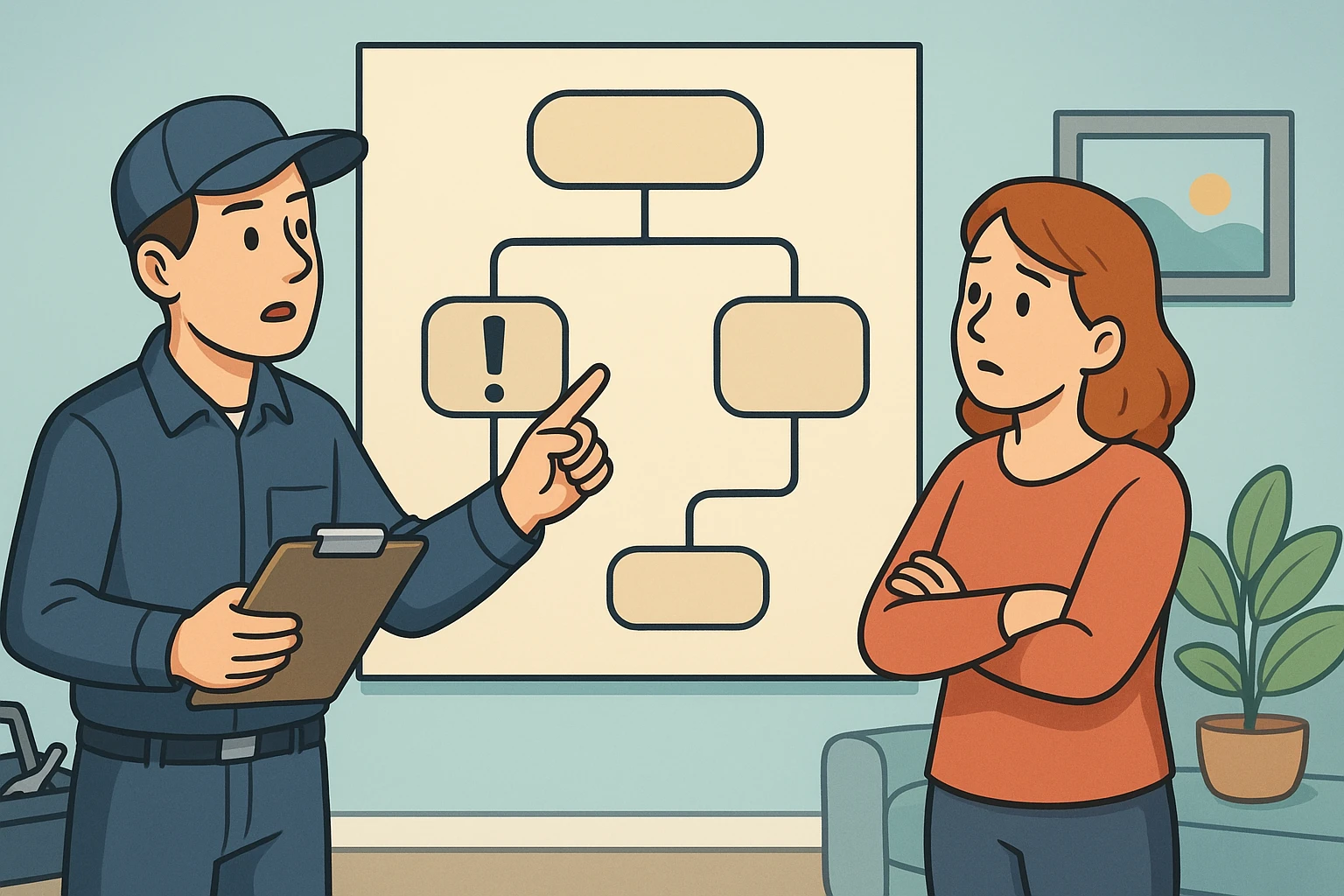
Act first, debate cost later if a leak, exposed wiring, broken lock, or safety hazard is reported.
Ask for the Information a Tradesperson Needs
Request:
- Clear photos or video
- Exact location and when it began
- Access times and tenant contact details
- Whether the issue is getting worse
Log every message, approval and invoice. Good tenant repair coordination avoids repeat visits and protects both parties.
Also Read: https://smartrealty.com.au/10-eco-friendly-upgrades-for-a-green-residential-lifestyle/
Step 2: Appoint the Right Tradesperson and Approve the Scope
Use a Suitable Repairer
Choose a qualified, licensed repairer for the job. In WA, this includes licensed electricians, plumbers, gas fitters, and registered builders where required. Check credentials, insurance, availability, and a clear written quote. Consumer Protection advises using suitable repairers and keeping records of quotes and payments.
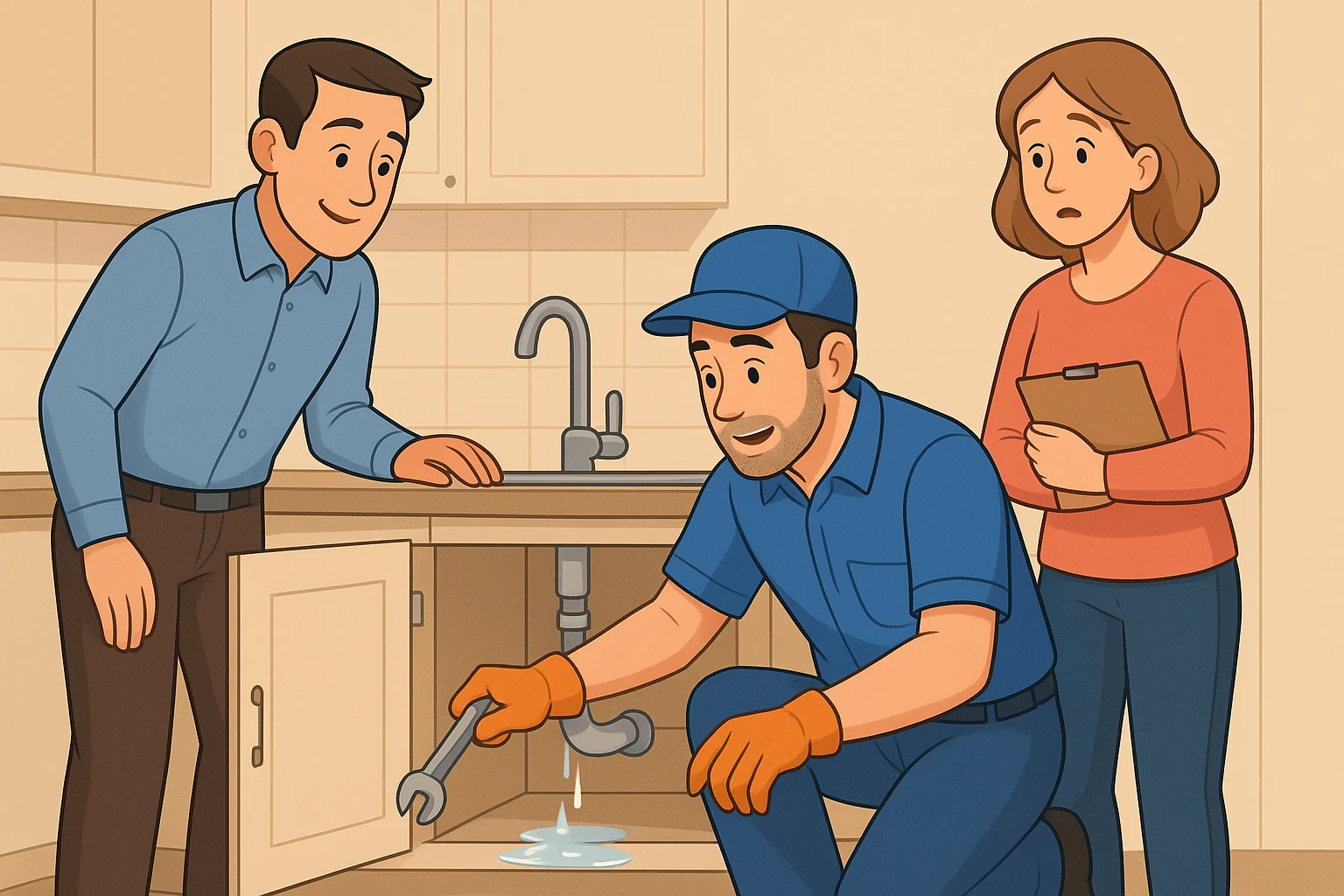
Keep the tenant informed of the appointment time and who will attend.
Define the Minimum Necessary Work
Approve a scope that fixes the fault safely, without slipping in upgrades. List the fault, repair method, parts, cost, access time, and any quote limit in writing.
| Scope item | Approval check |
|---|---|
| Leak repair | Fix source and test plumbing |
| Replacement part | Like-for-like unless approved |
| Extra work | Obtain owner approval first |
For urgent repairs, work should meet the minimum necessary standard. WA guidance says trades must get permission before extra work.
Also Read: https://smartrealty.com.au/10-common-mistakes-sellers-make-when-selling-their-home-without-an-agent/
Step 3: Coordinate Access, Communication, and On-Site Work
Confirm Access Properly
Book a firm time with the tenant and trade, then confirm it in writing. In WA, non-urgent repair access needs 72 hours’ written notice, usually through Form 19. Consumer Protection confirms the entry rules.
- Name the trade and job.
- Confirm who will provide access.
- Check pets, alarms, parking, and keys.
Keep the notice, messages, and agreed time on file.
Keep All Parties Updated
Send the tenant the arrival window and trade contact number. Give the trade the fault details, photos, and tenant instructions. Ask for before-and-after photos, a completion note, and invoice.
| Check | Owner benefit |
|---|---|
| Confirm completion | Avoid repeat call-outs |
| Inspect the result | Protect property value |
Smart Realty keeps this chain clear, so no one is left chasing answers.
Also Read: https://smartrealty.com.au/10-compelling-reasons-to-list-your-property-with-realestate-com-au/
Step 4: Verify the Repair and Close the Record
Check the Outcome, Not Just the Invoice
Ask the tenant if the fault is fixed and the area is safe. Check the trade invoice against the approved scope, then confirm any warranty details.
- Test the repaired item where practical.
- Record the completion date and final cost.
- Query extra work before paying it.
Tip: WA guidance says to keep repair requests, quotes and payments. Consumer Protection also requires suitable, qualified repairers.
Use the Record to Prevent Repeat Problems
Add notes, invoices and tenant feedback to the property file. Update the maintenance history and flag repeat faults for the next inspection.
| Record | Why it matters |
|---|---|
| Repair photos | Shows the finished condition |
| Trade warranty | Supports follow-up work |
| Fault history | Helps spot recurring issues |
Smart Realty closes each job with clear records, not assumptions.
Keep repairs moving without chasing calls, quotes, or updates. Let Smart Realty coordinate tenants and trusted tradespeople with clear, compliant communication.
Frequently Asked Questions
Q1: How should rental maintenance be coordinated?
Log the request, assess urgency, gain tenant access consent, book a qualified trade, confirm the time in writing, then check the completed work and keep invoices and notes.
Q2: Who pays for rental repairs?
Owners pay for fair wear, faults, and urgent safety issues. Tenants may pay where damage resulted from misuse or neglect. Keep evidence before deciding.
Q3: What if a tenant cannot meet the tradesperson?
Arrange another access time, or obtain written permission for lawful entry. Never ask a trade to enter without clear notice and tenant consent.
Conclusion
Clear triage, written updates, qualified trades, and final checks protect everyone. WA requires urgent repair action within set timeframes, as Consumer Protection explains. Smart Realty keeps the process accountable and documented.