
Why Efficient Property Management in Victoria Park, WA Matters
The role of a property manager is multifaceted, encompassing a wide range of responsibilities that are crucial for the successful operation of rental properties. At its core, property management involves overseeing the day-to-day operations of residential or commercial properties on behalf of the owners. This includes everything from marketing the property and finding suitable tenants to handling maintenance requests and ensuring compliance with local laws.
A property manager acts as a liaison between the property owner and tenants, ensuring that both parties are satisfied and that the property is well-maintained. In addition to these operational tasks, property managers also play a vital role in financial management. They are responsible for setting rental rates based on market analysis, collecting rent, and managing budgets for maintenance and repairs.
This financial oversight is essential for maximizing the return on investment for property owners. Furthermore, property managers must stay informed about market trends and changes in regulations to provide the best possible service to their clients. By understanding the complexities of property management, owners can rest assured that their investments are in capable hands.
Key Takeaways
- Property managers play a crucial role in overseeing the day-to-day operations of rental properties and ensuring the overall success of real estate investments.
- Essential skills for effective property management include strong communication, organization, and problem-solving abilities, as well as a deep understanding of local real estate market trends.
- Regular property inspections are important for identifying maintenance issues, ensuring tenant compliance with lease agreements, and maintaining the overall condition of the property.
- Implementing efficient maintenance and repairs is essential for preserving the value of the property and keeping tenants satisfied, ultimately leading to higher retention rates.
- Maximizing rental income and minimizing vacancies requires strategic pricing, effective marketing, and providing excellent customer service to attract and retain quality tenants.
Essential Skills for Effective Property Management
Effective property management requires a diverse skill set that combines interpersonal, organizational, and analytical abilities. One of the most critical skills is communication. A property manager must be able to clearly convey information to both tenants and property owners, addressing concerns and providing updates in a timely manner.
This skill is essential for building trust and fostering positive relationships, which can lead to long-term tenant retention and satisfied property owners. In addition to communication, strong organizational skills are paramount in property management. A property manager must juggle multiple tasks simultaneously, from scheduling maintenance to conducting inspections and managing finances.
This requires meticulous attention to detail and the ability to prioritize tasks effectively. Furthermore, analytical skills are essential for evaluating market trends, assessing property values, and making informed decisions that will benefit both the property owner and tenants. By honing these essential skills, property managers can ensure that they provide top-notch service while maximizing the value of the properties they manage.
Importance of Regular Property Inspections
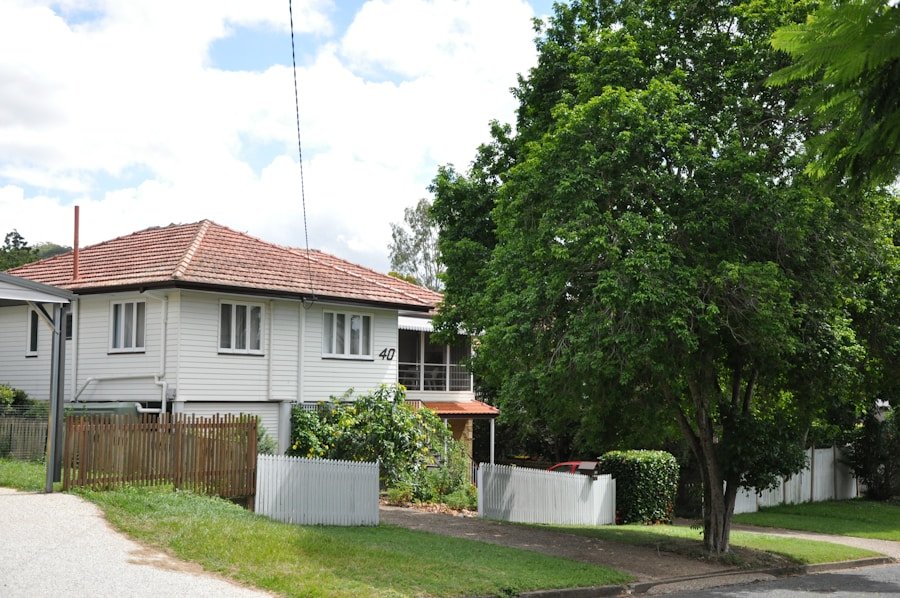
Regular property inspections are a cornerstone of effective property management. These inspections serve multiple purposes, including identifying maintenance issues before they escalate, ensuring compliance with lease agreements, and maintaining a positive relationship with tenants. By conducting routine inspections, property managers can proactively address potential problems, such as plumbing leaks or electrical issues, which can save both time and money in the long run.
Moreover, regular inspections help maintain the overall condition of the property, which is crucial for preserving its value. A well-maintained property is more attractive to potential tenants and can command higher rental rates. Inspections also provide an opportunity for property managers to engage with tenants, fostering open communication and addressing any concerns they may have.
This proactive approach not only enhances tenant satisfaction but also contributes to a positive rental experience, ultimately benefiting both tenants and property owners. (Source: NAA)
Implementing Efficient Maintenance and Repairs
| Metrics | Value |
|---|---|
| Mean Time Between Failures (MTBF) | 3,500 hours |
| Mean Time to Repair (MTTR) | 2 hours |
| Overall Equipment Effectiveness (OEE) | 85% |
| Planned Maintenance Percentage | 90% |
| Unplanned Downtime | 5% |
Efficient maintenance and repairs are vital components of successful property management. A responsive maintenance system ensures that tenant requests are addressed promptly, which is essential for tenant satisfaction and retention. Property managers must establish a network of reliable contractors and service providers who can deliver quality work at competitive prices.
By cultivating these relationships, property managers can ensure that maintenance issues are resolved quickly and effectively. In addition to addressing immediate repair needs, proactive maintenance strategies can help prevent larger issues from arising in the first place. Regularly scheduled maintenance tasks, such as HVAC servicing or roof inspections, can extend the lifespan of key systems within a property and reduce the likelihood of costly emergency repairs.
By implementing a comprehensive maintenance plan, property managers can not only enhance tenant satisfaction but also protect the long-term value of the properties they manage.
Maximizing Rental Income and Minimizing Vacancies
Maximizing rental income while minimizing vacancies is a primary goal for any property manager. To achieve this balance, property managers must employ strategic marketing techniques to attract high-quality tenants. This includes utilizing online platforms, social media, and traditional advertising methods to showcase available properties effectively.
By presenting properties in their best light and highlighting unique features, property managers can draw in prospective tenants who are willing to pay competitive rental rates. Additionally, setting appropriate rental prices is crucial for minimizing vacancies. Property managers must conduct thorough market research to determine fair rental rates based on comparable properties in the area.
By pricing properties competitively while still reflecting their value, property managers can attract tenants quickly and reduce turnover rates. Furthermore, offering flexible lease terms or incentives for long-term leases can encourage tenants to commit to a longer stay, further minimizing vacancies and maximizing rental income.
Navigating Legal and Regulatory Requirements

Navigating the complex landscape of legal and regulatory requirements is an essential aspect of property management. Property managers must be well-versed in local laws governing rental properties, including tenant rights, eviction procedures, and safety regulations. Compliance with these laws is not only necessary to avoid legal disputes but also crucial for maintaining a positive reputation within the community.
Moreover, understanding the Residential Tenancy Act 1987 is vital for protecting both property owners and tenants. This legislation outlines the rights and responsibilities of landlords and tenants alike, ensuring that all parties are treated fairly. A knowledgeable property manager can help owners navigate these regulations while also educating tenants about their rights.
By prioritizing compliance and transparency, property managers can foster trust between all parties involved in the rental process.
Building Positive Relationships with Tenants and Owners
Building positive relationships with both tenants and property owners is fundamental to successful property management. For tenants, a responsive and approachable property manager can make all the difference in their rental experience. By actively listening to tenant concerns and addressing them promptly, property managers can create an environment of trust and respect.
This not only enhances tenant satisfaction but also encourages long-term tenancies, reducing turnover rates. On the other hand, maintaining strong relationships with property owners is equally important. Property managers must keep owners informed about their property’s performance, including financial reports and maintenance updates.
By providing regular communication and demonstrating transparency in all dealings, property managers can instill confidence in owners that their investments are being well cared for. Ultimately, fostering positive relationships with both tenants and owners leads to a more harmonious rental experience for everyone involved.
Utilizing Technology for Streamlined Property Management
In today’s fast-paced world, technology plays a pivotal role in streamlining property management processes. From online rent collection systems to digital maintenance request platforms, technology can enhance efficiency and improve communication between property managers, tenants, and owners alike. By leveraging these tools, property managers can save time on administrative tasks while providing a higher level of service.
Additionally, technology enables data-driven decision-making in property management. By utilizing analytics tools to track occupancy rates, rental income trends, and maintenance costs, property managers can make informed decisions that maximize profitability for property owners. Furthermore, online marketing platforms allow for broader exposure of available properties, attracting potential tenants more effectively than traditional methods alone.
Embracing technology not only enhances operational efficiency but also positions property managers as forward-thinking professionals in an increasingly competitive market. In conclusion, effective property management encompasses a wide range of responsibilities that require a diverse skill set and a commitment to excellence. From understanding the role of a property manager to navigating legal requirements and building positive relationships with tenants and owners, every aspect plays a crucial role in maximizing rental income while minimizing vacancies.
By implementing efficient maintenance strategies and leveraging technology for streamlined operations, property managers can ensure that properties are well-maintained and consistently achieve their highest potential value. Ultimately, successful property management is about delivering outstanding results without taking shortcuts or compromising on quality—an ethos that sets top-tier agencies apart in today’s competitive real estate landscape.
If you are looking for tips on selecting the right broker for your property management needs in Victoria Park, WA, you may want to check out this article on Tips and Traps for Selecting the Right Broker. It offers valuable insights and advice to help you make an informed decision when choosing a broker to manage your property. Additionally, if you are interested in a smart choice in property management, you can read more about it in this article on Smart Choice in Property Management. And if you are specifically looking for property management services in the Blackburne Dr, Kelmscott, WA 6111 area, you can find more information in this article on Blackburne Dr, Kelmscott, WA 6111.
FAQs
What is property management?
Property management is the operation, control, and oversight of real estate. This includes residential, commercial, and industrial properties.
What does a property management company do?
A property management company is responsible for managing and maintaining properties on behalf of the property owner. This includes finding and screening tenants, collecting rent, handling maintenance and repairs, and ensuring compliance with local laws and regulations.
What services does a property management company offer?
Property management companies offer a range of services including property marketing, tenant screening, lease preparation, rent collection, property maintenance, and financial reporting.
Why should I hire a property management company?
Hiring a property management company can save you time and hassle by handling the day-to-day operations of your property. They can also help maximize your rental income and ensure your property is well-maintained.
How do I choose a property management company?
When choosing a property management company, it’s important to consider their experience, reputation, and the services they offer. You should also ask for references and compare their fees and contract terms.