
Quick Summary: Property management in Perth involves handling tenant sourcing, rent collection, repairs, and compliance with WA laws. Landlords must ensure safety, keep detailed records, and act quickly on issues to avoid disputes. Using a professional manager reduces risks, improves cash flow, and helps maintain the property’s value. Smart Realty offers local expertise to simplify management and protect investments.
If you own a rental property in Perth, WA, Property Management decides whether it brings steady income or turns into late rent, slow repairs, and legal stress. Many landlords struggle with Tenant Screening, Rent Collection, maintenance, and changing WA Property Rules. That is where clear systems matter.
This Landlord Guide explains how Property Management works in Perth, what Landlord Responsibilities you cannot ignore, and how Rental Regulations shape daily decisions. You will get practical Landlord Tips on Tenant Screening, arrears, maintenance, fees, and the self-manage versus agent choice. Strong Property Management protects your Property Investment, and smart Landlord Tips help you avoid common mistakes. Good Landlord Tips also make Tenant Screening and compliance easier.
1. What Property Management Covers in Perth, WA
Property management in Perth means handling the rental’s daily work, legal steps, and income protection. In WA, that usually includes tenant sourcing, rent collection, inspections, repairs, bond records, and keeping the tenancy on track under local rules.
Core landlord services included in day-to-day management
A property manager runs the practical side of the tenancy so you do not chase every issue yourself. Consumer Protection says owners often hand over the day-to-day role to a registered property manager through a licensed agency in WA, including inspections, tenant selection, fees, and written instructions in the agency agreement (Consumer Protection guide).
Typical services include:
- advertising and screening tenants
- preparing lease documents
- collecting rent and tracking arrears
- arranging routine inspections
- booking repairs and trades
- managing bond paperwork and final inspections
Good management is not just admin. It is risk control.
How a property manager protects rental income
The main job is to keep rent coming in and losses down. That means tighter screening, fast arrears follow-up, clear records, and strong condition reports. In WA, property condition reports are key evidence in bond disputes, and bonds must be lodged within 14 days if taken (WA rental bonds rules).
A manager helps protect income by:
- reducing vacancy between tenants
- spotting breaches early
- pushing urgent repairs before damage grows
- supporting cleaner bond claims at vacate
What stays with the landlord even with a manager
A manager acts for you, but ownership risk stays with you. You still approve major spending, hold insurance, and carry the legal duty to provide a safe, maintained home.
You still own:
- repair budgets
- tax and finance decisions
- landlord insurance choices
- final strategy on rent, upgrades, and sale timing
Also Read: 7 Property Management Perth Services to Save Time
2. WA Landlord Responsibilities You Cannot Ignore
WA landlords must provide a home that is safe, secure, and fit to live in. You also need to follow reform changes, keep proper records, and act fast on repairs before small issues turn into legal disputes.
Minimum safety and habitability expectations
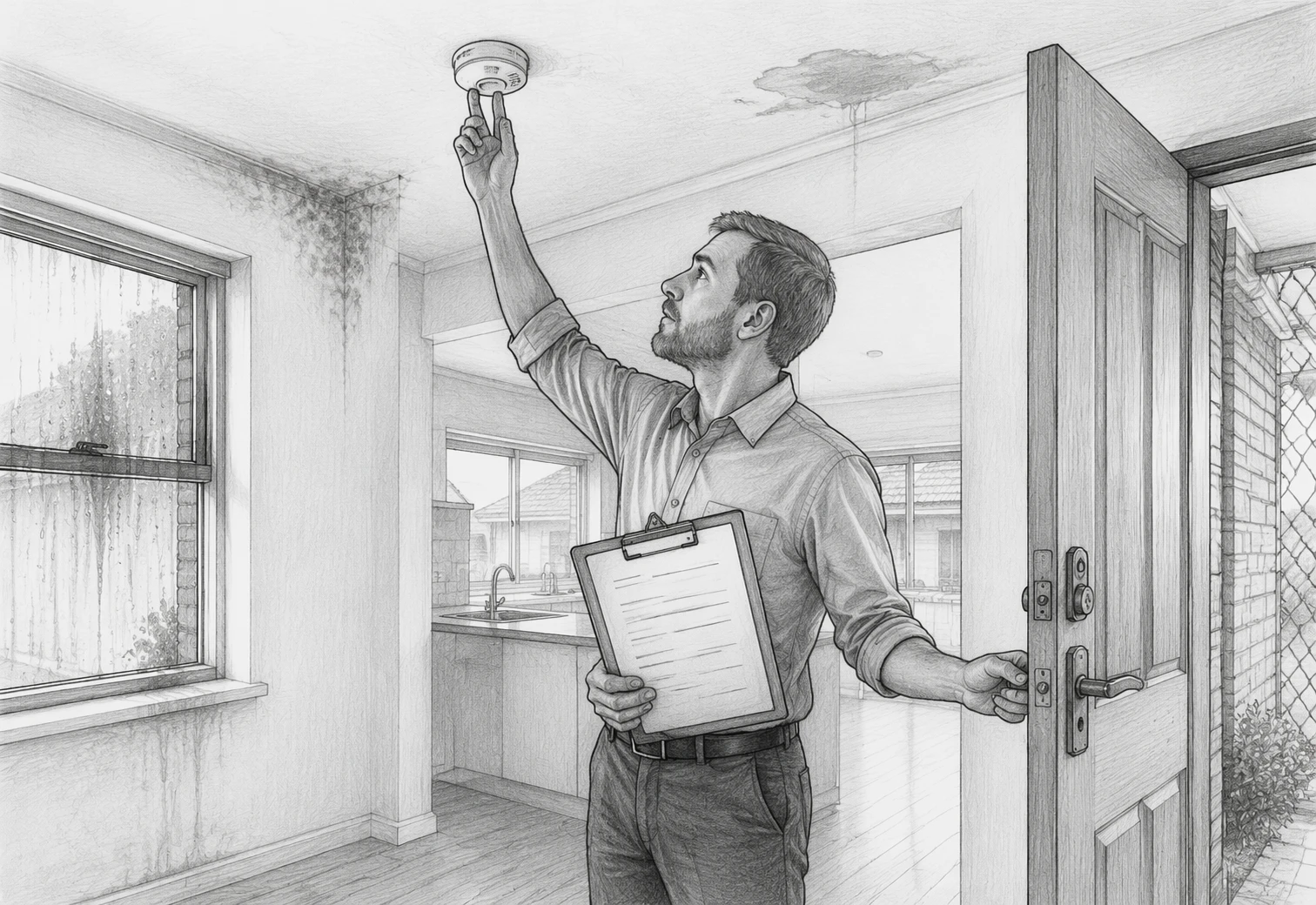
Your property must meet basic living standards from day one. According to Consumer Protection’s rental home maintenance guide, that means the home should be reasonably clean, in good repair, free from pests at the start, and have working water, drainage, wiring, and fixtures. WA rental home safety rules also require items like smoke alarms, RCDs, secure doors and windows, and compliant pool barriers where relevant.
- Fix urgent risks quickly
- Keep locks, lights, and alarms working
- Treat mould, leaks, and storm damage seriously
If a property is not safe or habitable, rent disputes and negligence claims can follow.
What WA rental reforms changed for landlords
The rule book tightened. Recent WA reforms banned rent bidding, limited rent increases to once every 12 months, and gave tenants stronger rights around pets, minor modifications, and bond disputes.
- Advertise rent at a fixed amount
- Respond to pet or minor change requests within required timeframes
- Expect tighter rules on bond claims and evidence
Phase 2 reforms are also moving toward minimum rental standards, clearer maintenance rules, and replacing some no-grounds terminations with reasonable grounds.
Why documentation matters in compliance
Good records protect you when facts get messy. The Residential Tenancies Act requires written agreements in approved form, property condition reports, and proper rent records.
Use a simple file for every tenancy:
- Signed lease and tenant notices
- Entry and final condition reports
- Inspection photos and repair invoices
- Rent ledger, breach notices, and contractor notes
| Record | Why it matters | Best time to update |
|---|---|---|
| Condition report | Supports bond claims | Move-in and move-out |
| Rent ledger | Proves arrears history | Every payment |
| Repair records | Shows you acted reasonably | After each job |
3. Tenant Screening That Reduces Risk
A strong screening process helps you pick tenants who can pay on time, care for the home, and follow the lease. In WA, it also needs to stay fair, relevant, and well documented.
What a strong screening process checks
Check the basics first, then verify them. Focus on facts that show whether the applicant can afford the rent and has a solid rental record.
- Photo ID and current contact details
- Income proof, such as payslips or bank statements
- Rental history and landlord or agent references
- Employment stability
- Tenancy database results, if used
WA Consumer Protection says landlords may use tenancy databases to screen applicants, but they must give written notice if they usually use one and must tell the applicant within 7 days if a listing is found on that database, as set out by Consumer Protection WA.

Red flags landlords should not overlook
One red flag alone may not kill an application. A pattern usually matters more.
- Gaps or conflicts in income records
- References that cannot be verified
- Past arrears, property damage, or tribunal action
- Pressure to skip normal checks
- Incomplete forms or vague answers
Trust the paper trail, not the story. Good screening is about proof, not gut feel.
Use the same checklist for every applicant. That gives you cleaner decisions and lowers dispute risk later.
How professional screening stays fair and compliant
Professional screening should be consistent for every applicant. It should also avoid unfair bias and protect private information. Under WA law, a person can only be listed on a tenancy database in limited cases, such as after a tenancy ends and the debt is more than the bond or a court has ended the tenancy, according to section 82E of the Residential Tenancies Act.
| Screening step | Risk reduced | Best practice |
|---|---|---|
| Verify income | Rent arrears | Match income to rent |
| Check references | Poor tenancy conduct | Call past agents directly |
| Review database lawfully | Hidden history | Give required notices |
Also Read: Landlord Services vs Self-Management: Cost Breakdown
4. Lease Setup, Bond Handling, and Entry Documentation
Your lease file sets the rules, protects your income, and shapes bond outcomes later. In WA, get the paperwork right on day one.
A residential tenancy agreement should clearly state the parties, property address, rent, payment dates, bond, term, special conditions, and who pays for things like water use. Keep special terms fair, lawful, and easy to prove. Attach all required forms and make sure every tenant named on the agreement matches the bond record. A messy lease setup creates avoidable disputes.

Bond handling in WA is stricter now. Consumer Protection says landlords must lodge the bond with Bonds Administration within 14 days, and agents must use BondsOnline for lodgement. Since 2026, any party listed on the bond can start release, and disputed claims usually go to the Commissioner instead of court, under the new WA bond release process.
Keep receipts, invoices, photos, and tenant contact details from the start. They matter if a claim is challenged.
The property condition report is your best evidence. It shows the home’s state at move-in and gives you a fair baseline for damage, cleaning, keys, gardens, and wear and tear. Give the tenant two copies before they move in, then complete a detailed outgoing report at the end. Good photos, dates, and room-by-room notes can make or break a bond claim.
5. Rent Collection, Arrears, and Cash Flow Control
How rent collection is structured
Set rent collection up to be simple, trackable, and fee-free for the tenant. In WA, the agreement must state the amount, due date, frequency, and payment method. Tenants must have at least one fee-free payment option, and landlords cannot charge late fees or interest, according to WA Consumer Protection’s rent guidance.
Use a clear system:
- set due dates in your lease
- reconcile payments weekly
- issue receipts when required
- track arrears from day one

What to do when rent falls behind
Act fast, but follow the process. A missed payment is a cash flow issue first and a legal issue second. Start with a reminder and confirm every contact in writing. If rent stays unpaid, WA landlords can issue a Form 21 breach notice giving 14 days to pay. If the tenant still does not pay, a Form 1A notice can then give at least 7 days to vacate, under section 62 of the WA Residential Tenancies Act.
Use this order:
- send reminder
- call and document outcome
- serve correct notice
- keep proof of service
Never change locks or try to remove a tenant yourself.
Why professional arrears management improves outcomes
Good arrears control protects income and lowers stress. A skilled property manager spots patterns early, serves notices correctly, and keeps records tight if court action is needed. That means fewer delays, fewer errors, and a better chance of recovering rent.
For many Perth landlords, professional management also improves cash flow forecasting through:
- daily arrears tracking
- fast tenant follow-up
- payment plans in writing
- cleaner tribunal evidence
Smart Realty can help here by combining clear reporting with strict WA notice handling.
6. Maintenance, Repairs, and Safety Compliance
Good property management in Perth starts with fast repairs and tight safety checks. In WA, urgent repairs for essential services must be arranged within 24 hours, while other urgent repairs have a 48-hour window under the Residential Tenancies Act section 43.
Routine maintenance versus urgent repairs
Routine work is planned. Urgent repairs protect people, the property, or basic services. Landlords should treat leaking taps, worn sealant, gutter cleaning, and servicing air conditioning as routine. Urgent issues include burst pipes, no hot water, broken locks, storm damage, roof leaks, or faults that create injury risk.
- Routine: book, quote, and complete in normal time
- Urgent: act at once and use qualified trades
- Best practice: give tenants an emergency repair contact list
A slow response often turns a small repair into water damage, mould, or an insurance claim.
WA safety items landlords should track
WA landlords need a simple compliance list. Consumer Protection says rental homes must meet safety and security basics, including smoke alarms, RCDs, pool barrier compliance where relevant, blind cord safety, and minimum door, window, and lighting security standards under WA rental home safety rules.
| Safety item | What to check | Review timing |
|---|---|---|
| Smoke alarms | Working, compliant, under 10 years old | At lease start and inspections |
| RCDs | Two installed, operating properly | Regularly |
| Locks and lights | Doors, windows, main entry light | Each inspection |
How inspections help prevent expensive repairs
Routine inspections help you catch problems early. Look for leaks, cracked grout, poor ventilation, loose rails, pest signs, and tenant-reported wear before they grow.
- Use a clear inspection checklist.
- Compare each visit with the property condition report.
- Raise minor works fast.
Strong inspection records also help if repair disputes or bond issues come up later.
Also Read: 7 Landlord Services That Save Time for Busy Investors
7. Self-Manage or Hire a Professional Property Manager?
When self-management can work
Self-management can work if you live close to the property, have time each week, and know WA tenancy rules. It suits landlords with one property, stable tenants, and solid systems for rent checks, inspections, repairs, and records. You also need confidence handling condition reports, notices, and bond evidence under the Residential Tenancies Act 1987.
Self-managing saves fees, but it costs time, speed, and legal risk if you get the process wrong.
When a professional manager is the better fit
Hire a manager if you own multiple properties, live interstate, travel often, or do not want late-night repair calls. A good manager helps with arrears, routine inspections, lease renewals, trades, and bond disputes. In WA, anyone managing property for a fee must be properly licensed or registered and work under the right supervision, according to Consumer Protection WA licensing rules.
A manager is often the safer choice when tenant issues, compliance changes, or tribunal-style disputes could hit your cash flow.
What to look for in a Perth property manager
Use this checklist before you sign:
- WA licensing and compliance knowledge
- Clear fee schedule with no vague extras
- Strong arrears process and fast owner updates
- Detailed inspection reports and good bond claim evidence
- Reliable trade network for urgent and routine repairs
Ask how they handle pets, rent reviews, and disputed maintenance. If you want local support with clear systems, Smart Realty is the kind of Perth manager worth shortlisting.
8. Property Management Fees, Value, and Long-Term Returns
Fees are negotiable in WA, and the lowest rate is not always the best deal. WA Consumer Protection states that government does not set a maximum fee, so landlords should compare both fees and service quality in the written authority WA Consumer Protection guidance.
Common fee components to understand
- Management fee – a percentage of rent collected
- Letting fee – charged when a new tenant is found
- Lease renewal fee – for renewing terms with an existing tenant
- Inspection, admin, and advertising fees – often charged separately
- Tribunal or special service fees – may apply if problems escalate
| Fee type | What it covers | Why it matters |
|---|---|---|
| Ongoing | Rent collection, tenant contact, repairs | Impacts yearly cost |
| One-off | Leasing, advertising, renewal | Spikes in changeover years |
How to judge value beyond the headline rate
A cheap fee can cost more if service is weak. Judge value by:
- Vacancy control
- Strong tenant screening
- Fast arrears action
- Clear inspection reports
- Good bond and maintenance records
A manager who prevents one bad tenancy or one long vacancy can save far more than a 1 percent fee discount.
The Residential Tenancies Amendment Act 2024 also raised the compliance bar in WA, which makes capable management more valuable.
Why Smart Realty is a sensible local option
Smart Realty makes sense for Perth landlords who want transparent pricing, local knowledge, and hands-on management. That matters if your goal is not just rent collection, but better long-term return through lower vacancy, cleaner compliance, tighter arrears control, and better property care.

If you want less stress, fewer compliance risks, and stronger day-to-day control of your Perth rental, talk to Smart Realty. Their WA property management team handles screening, maintenance, arrears, inspections, and landlord support so you can protect your investment with confidence.
Frequently Asked Questions
Q1: What legal responsibilities do Perth landlords have under Western Australian tenancy laws?
Landlords must provide a safe, clean property, lodge bonds correctly, use lawful leases, handle repairs fast, give proper notice, and follow WA rules for rent increases, inspections, privacy, smoke alarms, and pool barrier safety.
Q2: How can property management services in Perth simplify landlord responsibilities?
A property manager handles advertising, tenant checks, leases, rent collection, arrears follow-up, inspections, maintenance, notices, and bond claims. This cuts admin, lowers risk, and helps you stay compliant with WA tenancy rules.
Q3: What are the key steps to effectively screen tenants in Perth’s rental market?
Check ID, income, rental history, references, and affordability. Review application details for gaps or red flags. Use clear criteria for every applicant so your process stays fair, consistent, and easier to defend if challenged.
Q4: What should Perth landlords include in a residential tenancy agreement to avoid disputes?
Include rent, bond, due dates, special terms, utility rules, maintenance duties, break lease terms, inspection details, and any approved inclusions. Match the agreement to WA law and support it with a full property condition report.
Q5: How does Smart Realty’s property management improve tenant retention in Perth?
Smart Realty can improve retention by keeping communication clear, solving maintenance issues quickly, setting fair rents, and managing renewals early. Tenants stay longer when the home feels well run and problems do not drag on.
Q6: What are the benefits of hiring a professional property manager for Perth landlords?
You save time, reduce stress, and get help with legal steps, arrears, repairs, inspections, and tribunal preparation. A good manager also protects income by reducing vacancy, poor tenant selection, and costly compliance mistakes.
Q7: What local safety standards and maintenance requirements must Perth landlords meet?
Perth landlords must keep the property reasonably secure and in good repair. Key checks include smoke alarms, electrical safety switch rules, pool barriers where relevant, sanitation, and urgent repair response for essential services.
Q8: How can Perth landlords maximize rental income while ensuring legal compliance?
Set rent from local evidence, not guesswork. Keep the property well maintained, review rent at lawful times, reduce vacancy with strong marketing, and document everything. Professional management helps balance yield, tenant quality, and compliance.
Conclusion
Property management in Perth is really risk management. Good landlords protect rent, keep records tight, act fast on arrears, stay fair with tenants, and follow WA process every time. That matters even more now, as WA’s rent reforms changed bond handling, pet rules, rent increases, and dispute pathways through Consumer Protection WA rent reforms. Bonds also must be lodged correctly and are usually capped at up to 4 weeks’ rent, with rules around claims and evidence WA rental bonds. If you want fewer mistakes and stronger protection, Smart Realty is the local expert worth backing.
You might also find value in our article about 5 Things to Know About Property Management Fees in Perth, WA.
Related reading: Can You Really Sell a Perth Home in 90 Days? Our Guarantee E — a detailed breakdown worth your time.
For related advice specific to your situation, our article on Ensuring Smoke Alarm Compliance in Seville Grove Rental Prop covers the essentials.